Avi Mograbi’s “The First 54 Years” combines testimonies and archival video from Breaking the Silence to lay bare Israel’s methods to control, demoralize, and divide Palestinians.


Avi Mograbi’s “The First 54 Years” combines testimonies and archival video from Breaking the Silence to lay bare Israel’s methods to control, demoralize, and divide Palestinians.
The New York Times today was shamed into publishing an investigation into who killed the distinguished Palestinian-American journalist Shireen Abu Akleh — nearly 6 weeks after she died, and after other news organizations investigated and said, an Israeli soldier killed her. The Times echoes those investigations, concluding that the bullet that killed Abu Akleh “was fired from the approximate position of an Israeli military vehicle,” but it does little to expose Israel’s lies and obfuscation in the case.
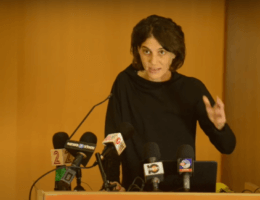
“Nobody ever invited me to tell the story in any other way but that we must live by the sword,” Yuli Novak says of her upbringing in the Israeli elite. In a new memoir excerpted by Haaretz in Hebrew this weekend Novak says that the moment she ceased to be obedient, “the system turned against me.” She came to the understanding that a South Africa style political struggle is necessary to bring peace and equality to Israel and Palestine.

Following a pogrom in Southern Hebron that injured a 3-year-old Palestinian child, Israeli human rights organizations started an ad campaign calling on the Defense Minister and Internal Security Minister to end settler violence. Israeli bus companies removed the ad within a day after pressure from rightwing activists.
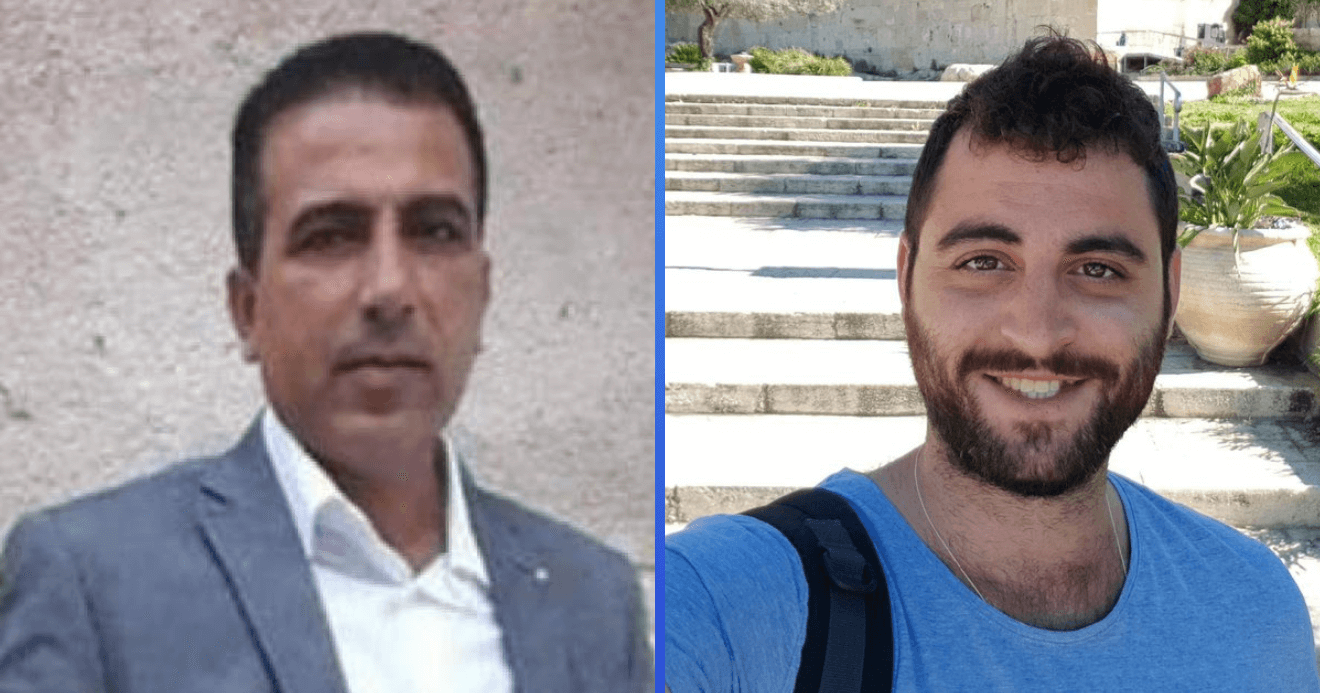
This week an indictment against a Palestinian for alleged rape was retracted, and the State Prosecutor admitted that a Breaking the Silence member might have been telling the truth about assaulting a Palestinian. Jonathan Ofir says that both struggles – that to prove innocence, and to prove guilt – reflect the opposite sides of the Apartheid mirror.

Last week, the German newspaper Die Tageszeitung reported that Israel asked German Chancellor Angela Merkel to stop funding the Jewish Museum in Berlin, among other institutions. The reason behind the demand: the museum’s exhibition on Jerusalem “presents a Muslim-Palestinian perspective of the city.”