The perpetual spiral of global violence is facilitated by the West’s indifference towards the suffering of its own victims.

The perpetual spiral of global violence is facilitated by the West’s indifference towards the suffering of its own victims.

This is Palestine, the land of martyrs
That embraces the fearless woman, Shireen Abu Akleh

Adam Horowitz speaks to Lana Tatour about the Amnesty International apartheid report and the need to understand Israeli apartheid in the context of settler-colonialism.

Shahd Abusalama’s grandmother was close in age to Prince Philip who died last week, prompting the author to ponder how both Philip and her sitti were from a generation that lived through the end of Britain’s imperial empire, but from strikingly different vantage points.
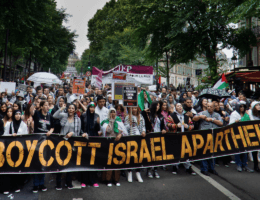
The immediate and urgent task is to move international solidarity for Palestine beyond the grassroots and implement the S section of the BDS call — sanctions against apartheid Israel until it complies with international law.

A hasbarist argues there’s nothing wrong in the killing of Eyad al-Halaq. Palestinians may “ask to become Israel’s ‘blacks’,” Nave Dromi says, but we won’t let them be equal citizens. In fact the history of nationalism is the history of racist distinctions, and persecution, that the world has been seeking to outlaw since WW II.
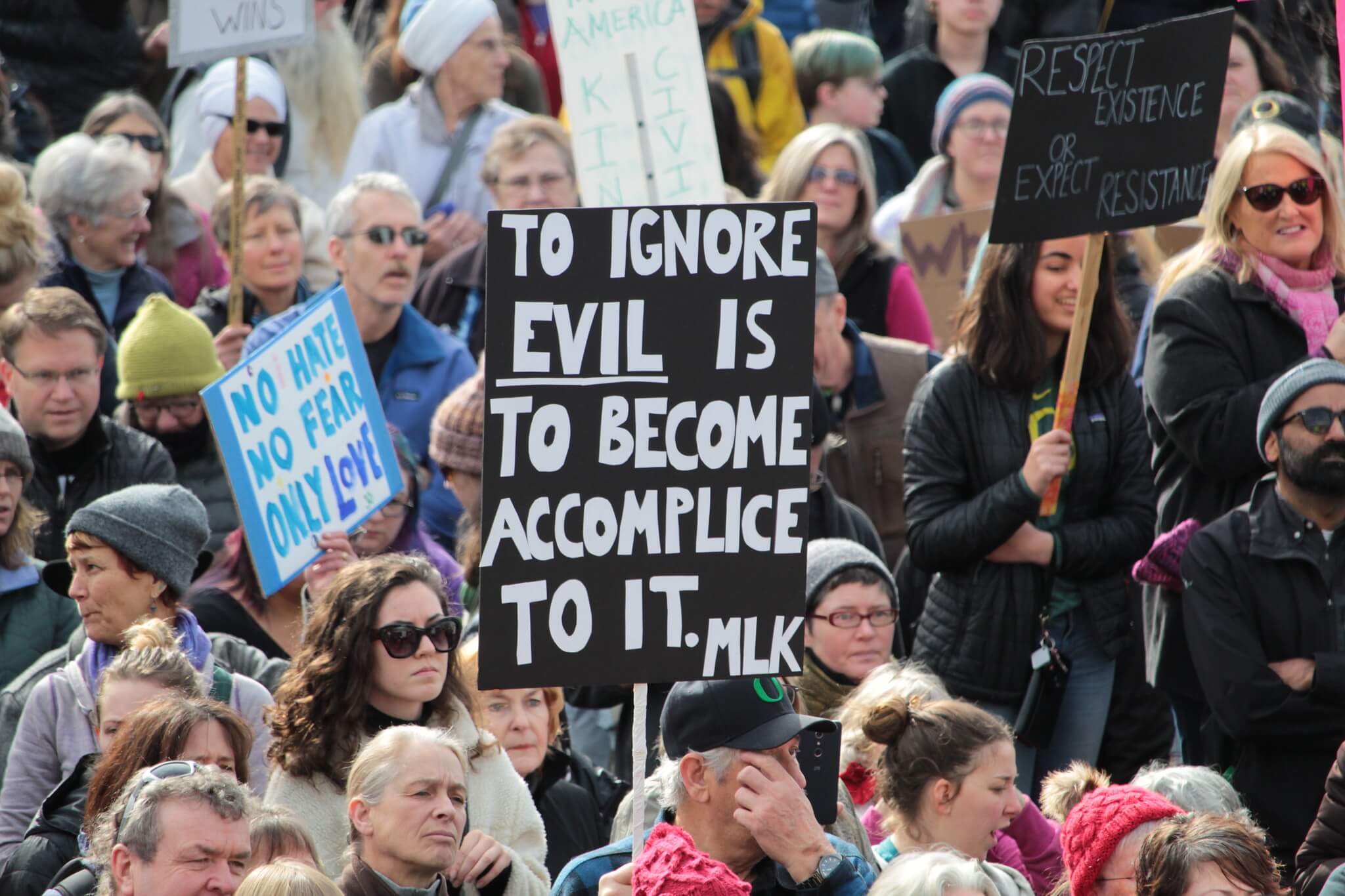
Following July 4th, Nada Elia, “So, on this colonial independence day, I for one recommitted to remember that a lesser evil is still evil, and that consenting to evil, any evil, anywhere, is what results in Trump and Netanyahu ordering tanks in the streets and children in cages.”
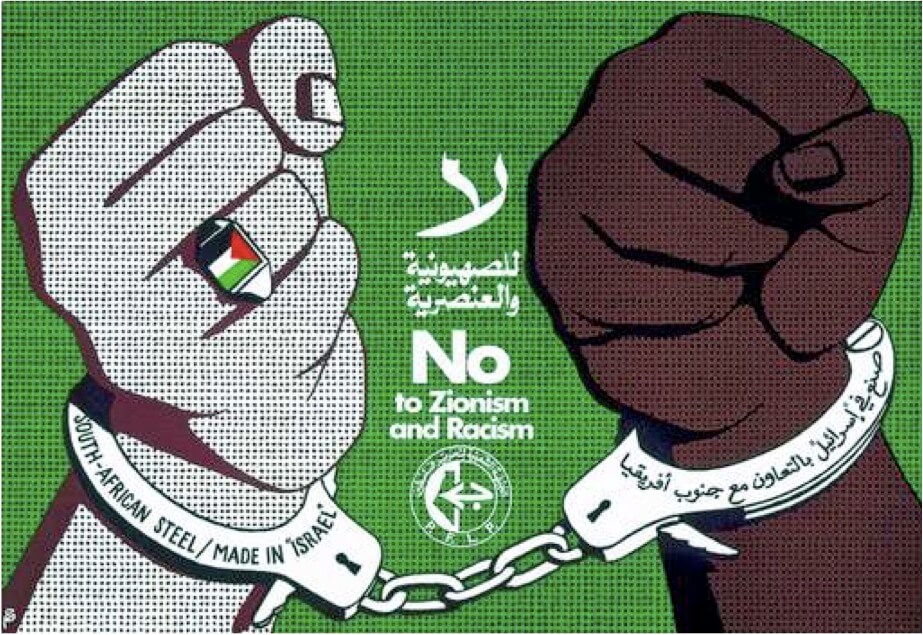
Activists Eyad Kishawi, Max Ajl, and Liliana Cordova-Kaczerginski applaud Jewish Voice for Peace’s recent statement outlining its “unequivocal opposition to Zionism,” but raise a critique that it gives credence to the idea that Zionism emerged from Jewish life, and was not a colonial ideology developed to expand western imperialism in Palestine. “Anti-Zionism is not merely criticism of current Israeli policies or even the idea of a Jewish nation-state,” they write, “It is a rejection of an imperially-imposed, racist, settler-colonial state.”
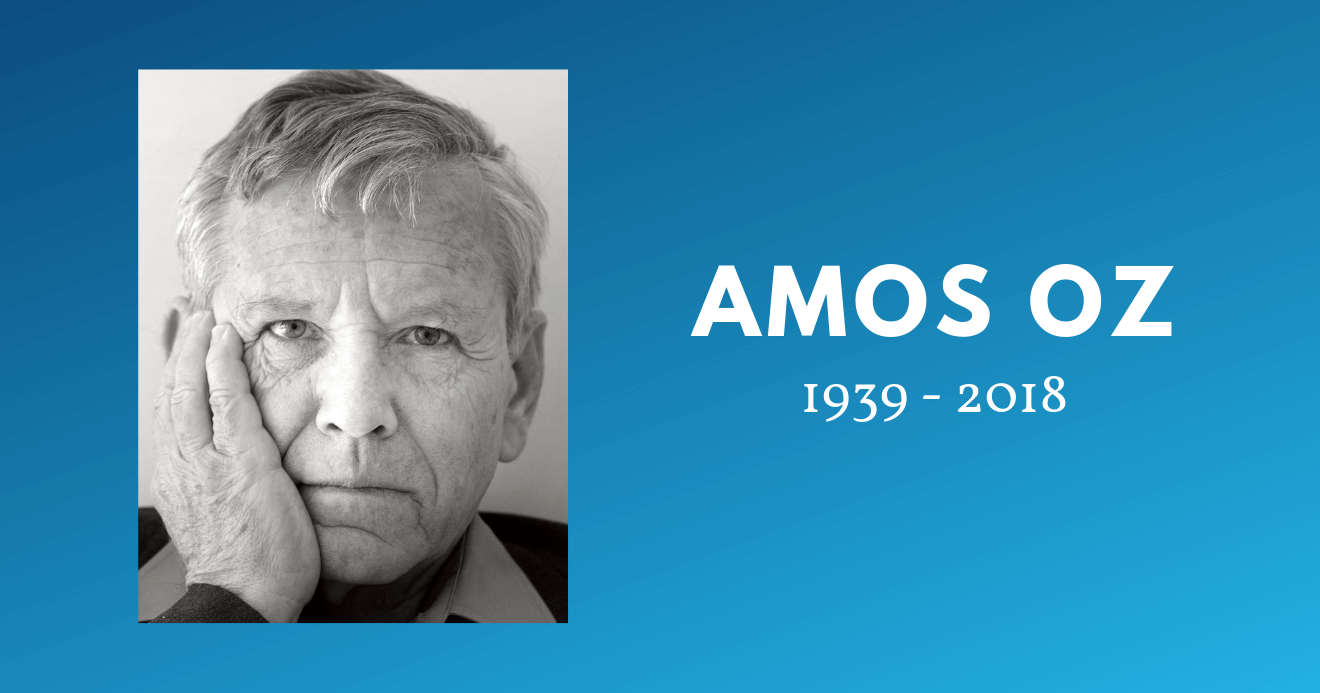
Haider Eid reflects on Amos Oz, the Israeli writer who died at age 79: “Through his glorification of the kibbutz regardless of the fact that it is built on a stolen land belonging to native Palestinians, he became an active participant in, and defender of, the aggressive colonialist politics of his country. In his work Palestinians are (mis)reprepresnted as marginalized and passive characters, they are never active agents. Oz’s literary work was truly a fusion of literature and Israeli ideology.”

Jonathan Ofir is a tourist in Portugal, contemplating how colonialism can become the past– and how it’s still a present-day reality in Israel.