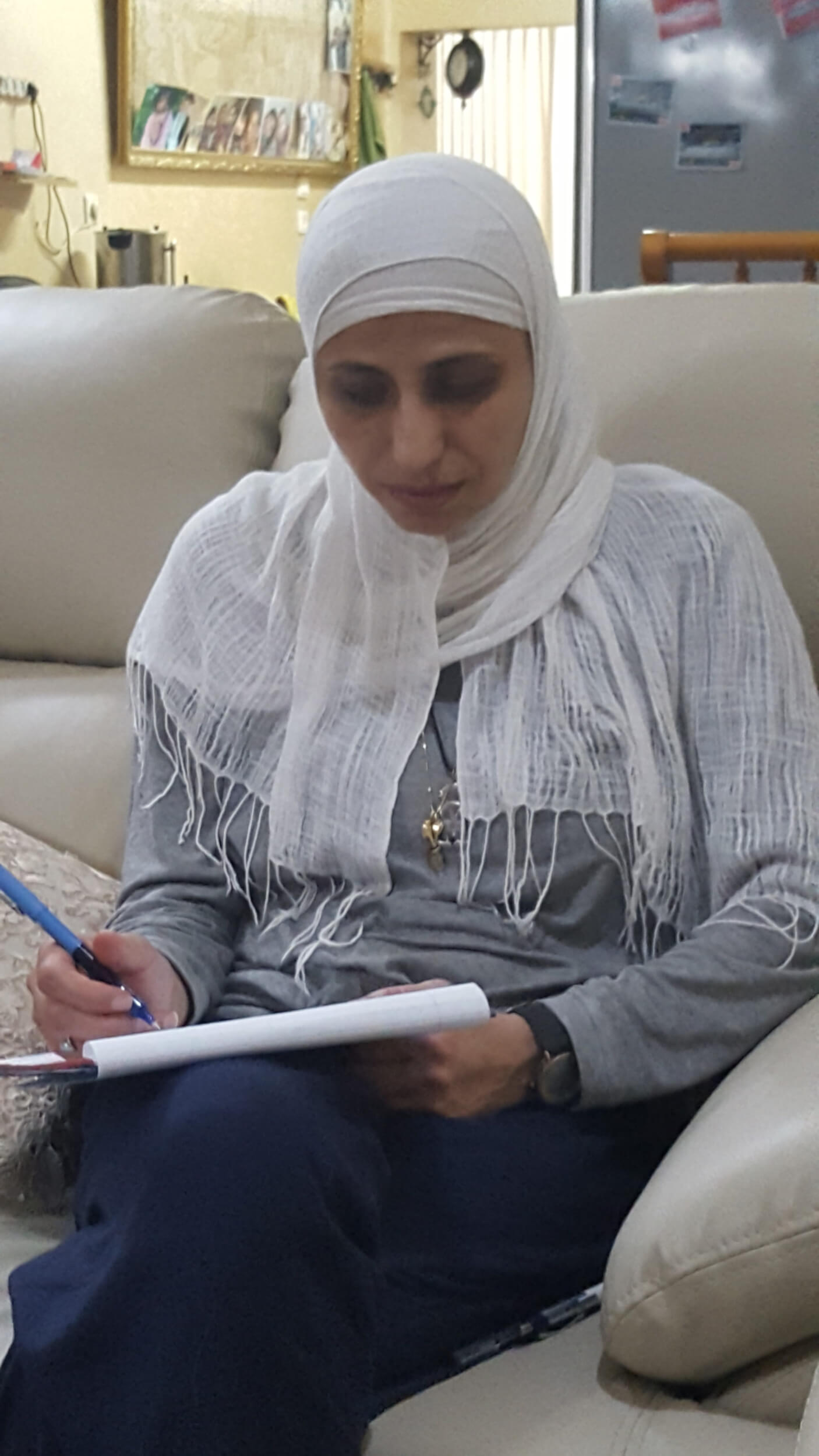
Palestinian poet Dareen Tatour is to be sentenced for incitement for her Facebook posts on July 31. The case began with a mistaken arrest, but her conviction was no mistake, reflecting Israel’s need to punish any proud Palestinian. “Terrorists are always everywhere in Israeli consciousness wherever Palestinian resistance is mentioned,” writes Yoav Haifawi.
On July 31, Palestinian poet Dareen Tatour faces sentencing for alleged incitement due to her Facebook posts and expects to be imprisoned. In an interview with Kim Jensen, Tatour reflects on her commitment to one country with equal rights for all and to solidarity among women, and reveals that her rape is the subject of a forthcoming novel.
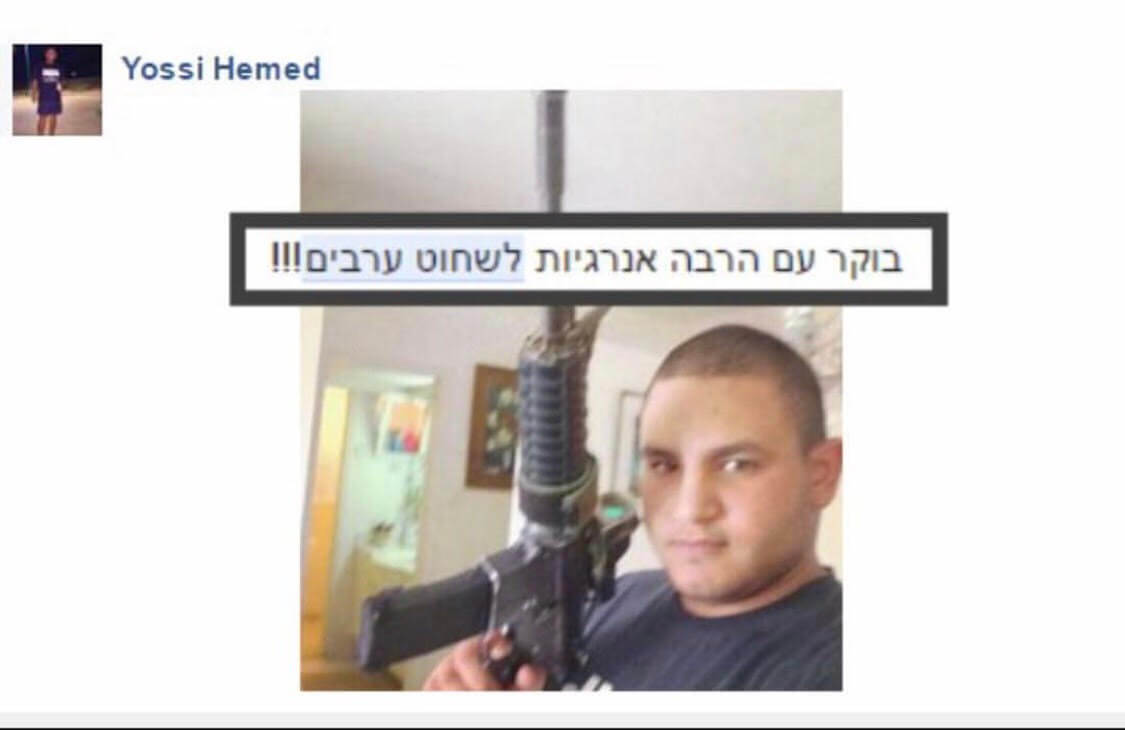
After Palestinian poet Dareen Tatour was imprisoned for a Facebook post that was described as incitement, Danielle Alma Ravitzki compiled social media posts by Israelis about committing acts of violence on Palestinians. None of these writers was ever tried or convicted.
Yoav Hifawi visits Palestinian poet Dareen Tatour to see how her story fits within the context of the Palestinian Nakba. What he discovered is Dareen is the descendant of Palestinians who were displaced from their villages during the Nakba, one of which fell after a brutal massacre.
PEN International believes that Dareen Tatour is being targeted for her peaceful exercise of her right to free expression and continues to call for her immediate and unconditional release one year after campaigning for her on the Day of the Imprisoned Writer 2016.
Jesse Rubin reports from a standing-room-only event in Brooklyn on free speech and Palestine solidarity in support of Dareen Tatour, a Palestinian poet under house arrest whose case has come to symbolize the absurdity of Israel’s selectively guaranteed right to free speech.
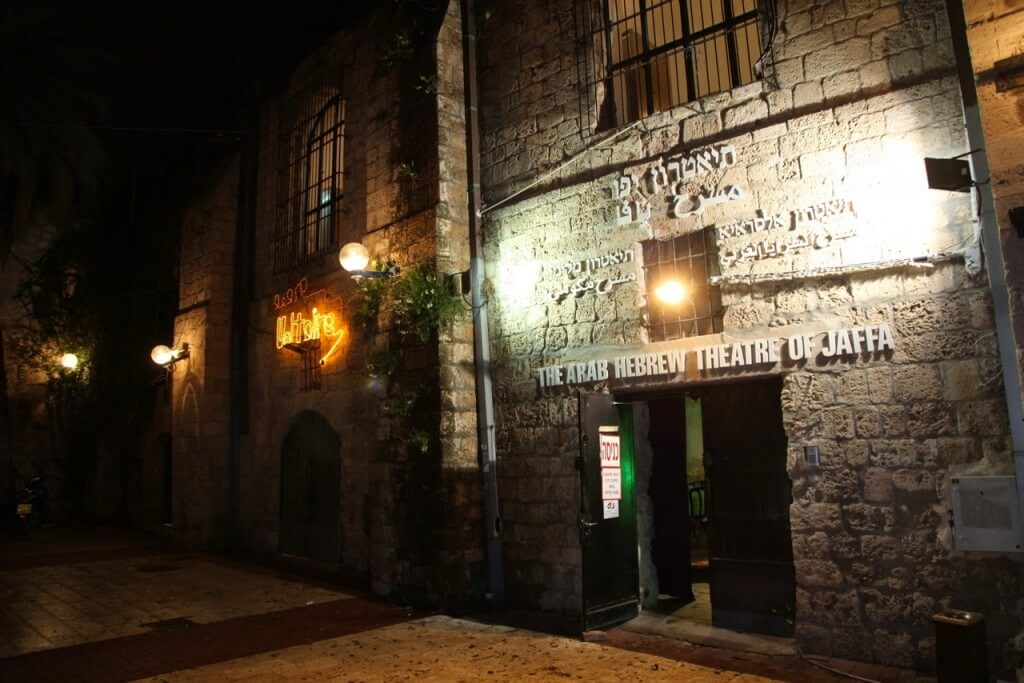
Hundreds of Palestinians are arrested, interrogated, and sentenced to Israeli prisons for their pronouncements made on Facebook each year. But the most absurd case of them is that of poet Dareen Tatour. Yoav Haifawi reports from an solidarity event with Tatour in Jaffa: “the wall of silence and denial on the part of the Israeli government fell altogether when supporters of Dareen Tatour called for an artistic solidarity event in the Jaffa (Yaffa) Theatre on August 30, 2017. And when the walls fell, we faced a wave of threats and inciting language from top Israeli politicians printed in Israeli mainstream media.”
Prominent U.S. poets, writers, playwrights and publishers issued statements today in support of imprisoned Palestinian poet Dareen Tatour ahead of her upcoming trial verdict on October 17. The statements calling for her freedom, and demanding that Israel drop all charges against Dareen, released by Jewish Voice for Peace and Adalah-NY, come just as the Israeli government threatens to cut funding to a Yaffa Theater that agreed to host an artists’ solidarity event for Tatour on August 30th. Tatour, a Palestinian citizen of Israel, was arrested by Israeli authorities 22 months ago, in October 2015, and charged with incitement to violence primarily over a poem she posted online, “Resist, My People, Resist Them,” as well as two Facebook posts.
In retaliation for an upcoming event planned in solidarity with Palestinian poet Dareen Tabour, the Israeli Ministry of Culture has requested the Treasury to examine whether Yaffa’s (Jaffa) “Arab-Hebrew Theater” has violated the Nakba Law. Yoav Haifawi writes, “The common knowledge in Israel is that even as Palestinians are persecuted for anything or nothing, the freedom of expression for the Jewish population was more or less secure. Now the event in Yaffa may become a test case of the new laws and the old assumptions.”