Joe Biden repeatedly said he wanted to rejoin the Iran Deal if he became president. But now that he’s president, things aren’t so clear.


Joe Biden repeatedly said he wanted to rejoin the Iran Deal if he became president. But now that he’s president, things aren’t so clear.

The recent victory of Jamaal Bowman over AIPAC-backed Eliot Engel; AIPAC being forced to “give permission” to members of Congress to oppose Israeli annexation plans for the West Bank; and the recent letter to U.S. Secretary of State, Mike Pompeo, from 12 Representatives and one Senator not only opposing annexation, but promising legislation to condition U.S. aid to Israel to their policies in the West Bank – all provide evidence that AIPAC may be losing its grip on Congress.

On April 8, eleven members of congress released a statement opposing the Israeli government’s potential annexation of the West Bank. The action comes amid reports that the country’s new coalition government will move forward with a unilateral annexation plan.
The 2020 elections pose a daunting question for Democrats – will they go with a progressive candidate or a moderate one? In helping to decide which way to turn it could be helpful for the Democrats to consider the history of the Israeli Labor Party, which faced a similar crossroad and took a direction which led to its demise.
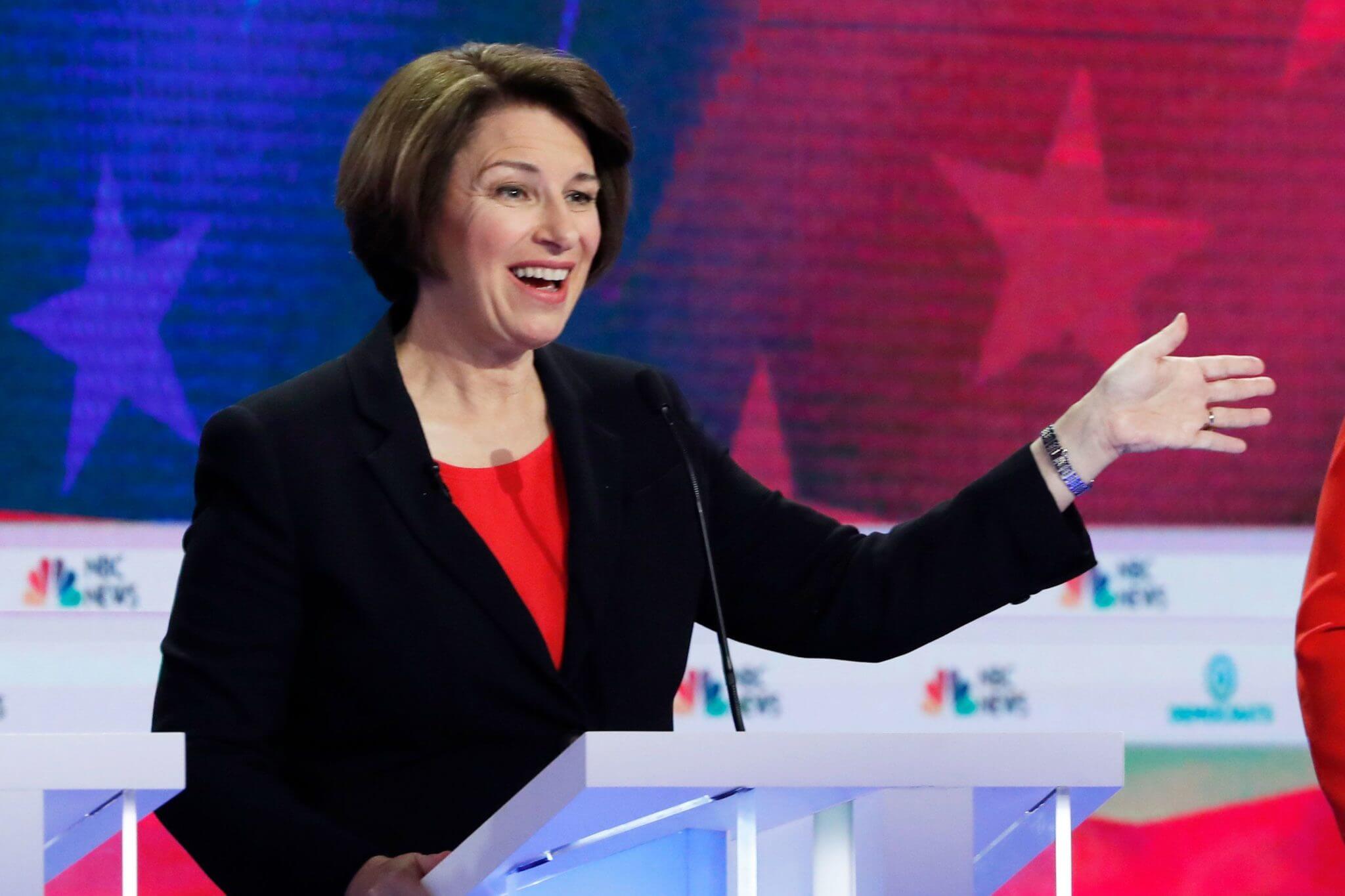
In an interview with the New York Times editorial board Amy Klobuchar also cited her strong record of pro-Israel votes in the Senate. “I still think that they are in a really tough neighborhood in a really dangerous position,” she explained, “And made worse by what Trump just did with Syria because now Iran has a foothold there.”

A new University of Maryland Critical Issues Poll gives us further insight into what Americans think about the Boycott, Divestment, and Sanctions movement. One obvious conclusion is the high-profile BDS battles of 2019 have raised awareness for the movement, and that awareness has come with increased support.
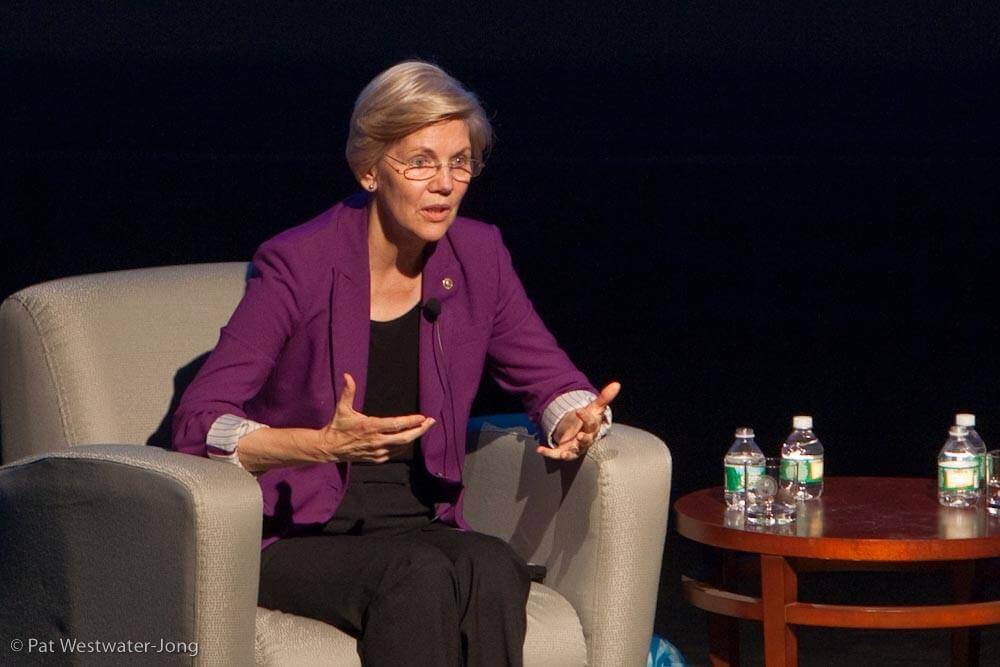
Elizabeth Warren’s plan for Palestine is boilerplate two-state rhetoric that includes restoring the U.S. role as “credible mediator.” That’s a reference to the Obama administration, which only increased aid to Israel while refusing to hold it accountable for settlements and massacres. The Democratic base has moved on.
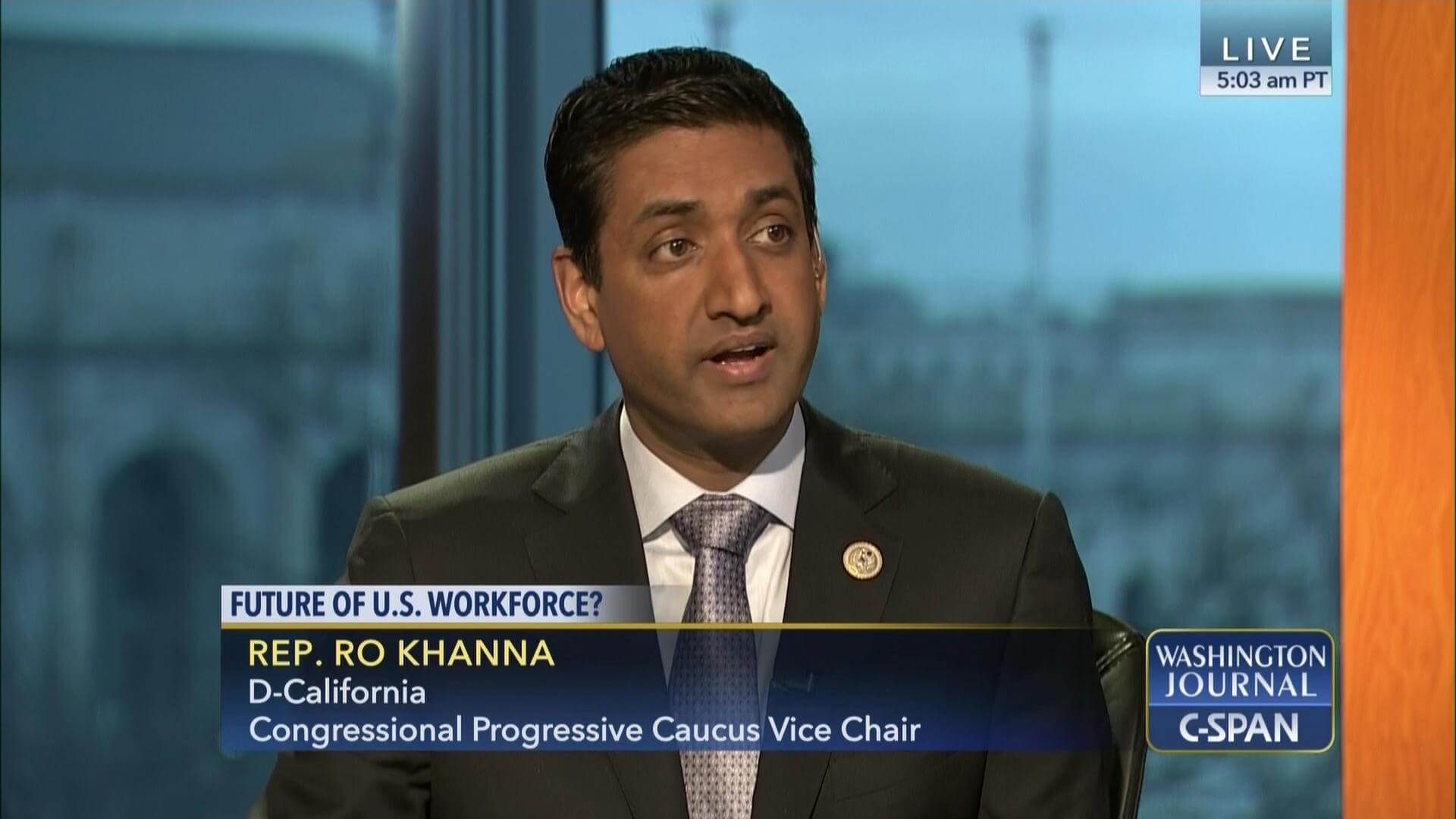
House Democrats, including 9 of the 11 ViceChairs of the Congressional Progressive Caucus, are backing an anti-BDS bill that they think is constitutional but it’s destined to backfire on them.

Many Democratic hopefuls for president have indicated that the Israeli occupation is a problem and have criticized Benjamin Netanyahu, but none will confirm that they will move the U.S. Embassy in Israel back to Tel Aviv, or give specifics on how they would pressure the Israeli government.

Democratic frontrunner Joe Biden gave a speech outlining his foreign policy objectives in which he stated that the United States must stand with Israel despite the disagreements some Democrats have with Prime Minister Benjamin Netanyahu.