Eight people detained for allegedly protesting in support of Palestine are currently undertaking the largest hunger strike in UK prisons in over 40 years. The strikers need international solidarity to show the world they are not alone.
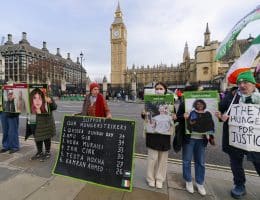

Eight people detained for allegedly protesting in support of Palestine are currently undertaking the largest hunger strike in UK prisons in over 40 years. The strikers need international solidarity to show the world they are not alone.
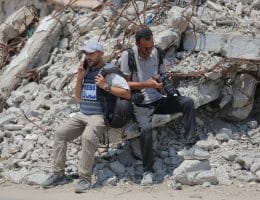
A growing number of journalists and first responders in Gaza are going on hunger strike amidst the famine. “If you want to eat, you have to run after aid trucks. I refuse to do it,” says Mahmoud Basal, the spokesperson for the Gaza Civil Defense.

Joy Metzler left the Air Force as a conscientious objector over U.S. support for Israeli atrocities in Palestine and joined a 40-day Veterans for Peace hunger strike for Gaza. She says it is crucial we escalate our protest to stop genocide.
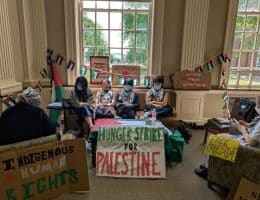
Students at Dartmouth College have launched a hunger strike to demand that the school divest from Israel and lift the suspension of a student activist.
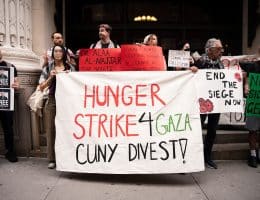
We are the eight students, staff, and faculty from across the City University of New York system who started an indefinite hunger strike. We have one demand: that CUNY divest from Israel and companies aiding the genocide in Gaza.

Student protestors across the country are adapting their strategies to Trump’s crackdown on the pro-Palestine movement, but it’s safe to say the activism is not slowing down.
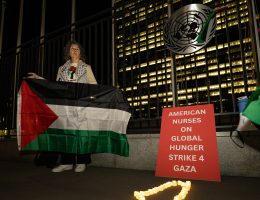
Activists in New York City have started a hunger strike for Gaza outside the United Nations in solidarity with hunger strikers in Jordan. Organizers say that the strike will continue until the siege on Gaza is lifted.
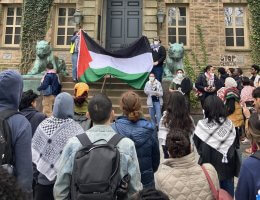
“We’re prepared to starve ourselves on the lawn of the administration building,” Princeton divestment activist David Chmielewski tells Mondoweiss. “They’re ignoring the urgency of the situation, which is that there’s a genocide actively occurring.”
Over a dozen Yale Students have launched a hunger strike over the school’s complicity in the Gaza genocide.
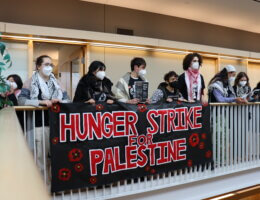
Israel’s genocide in Gaza is the defining political moment of our generation. We recently ended a week-long hunger strike against Brown University’s complicity, but we are not letting up the pressure.