On the basis of alleged “anti-Semitic tropes,” numerous critics of Israel, many of them writers of color, have been accused of bigotry for their criticisms of Israel. The latest is Ali Abunimah, accused by Matt Seaton of NYRB. Meantime, you can say anything you like to dehumanize Palestinians and no one in the mainstream will call you out.
Should Zionism be protected from criticism because many Jews take Zionist doctrine to be essential to their own self-conception. No, Joseph Levine says, because it is reasonable in considering the history of the Zionist project to argue that it is unjust, without being written out of the discourse as a bigot.
If we do not distinguish between valid critiques of the policies of the Israeli state and anti-Semitism, we are allowing rightwing forces to weaponize anti-Semitism, suppressing freedom of speech and open debate, and making the term anti-Semitism meaningless at a time when it is critical to identify and oppose it.
Congress is trying to expand the federal definition of antisemitism for the third time. The legislation directs the Education Dep’t to use a standard for anti-Semitism written by a Holocaust-remembrance organization that includes some criticisms of Israel, including applying “double standards” to the country and claiming that the state is a racist endeavor.
The City of Vancouver, Canada might seem to be an odd place for a battle over the IHRA definition of antisemitism. But that is exactly what happened in the last week, and it all concluded with a temporary victory for free speech, human rights, and common sense.
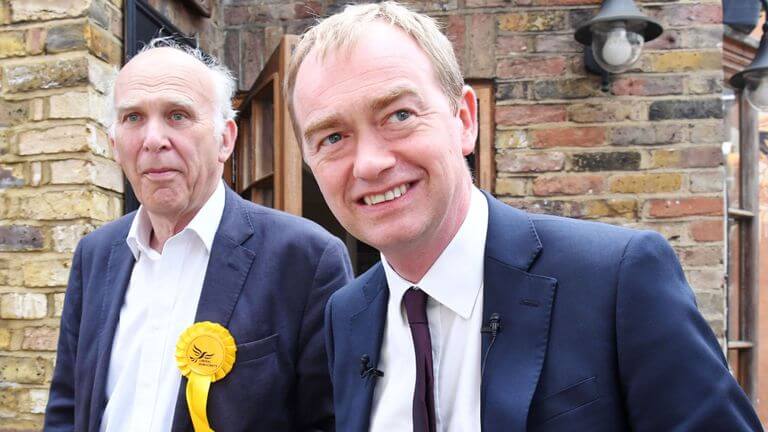
Members of the Liberal Democrat party in the UK publish an open letter to party leaders, opposing their definition of antisemitism to include criticism of Israel, which led to suspension of a party organization for social media posts. “Israel deserves same treatment as China, Russia or other violators of human rights,” the letter-writers say.