The events of October 7 have reminded us that resistance to settler colonialism is ever-present. The only way forward is decolonization, and that requires us to foreground a political solution.


The events of October 7 have reminded us that resistance to settler colonialism is ever-present. The only way forward is decolonization, and that requires us to foreground a political solution.
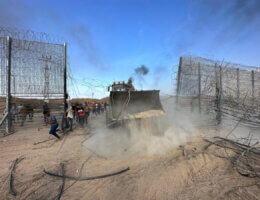
Decolonizing movements decimate the physical and ideological barriers standing in the way of the new world the oppressed know is on the horizon. After the ‘Al Aqsa Flood,’ Palestinians know more than ever that they will reach this world too.

Muna Shaheen on how Israel changed the face of nature in order to alienate Palestinians from their land and identity.

Today on Palestinian Land Day, the NDN Collective uplifts the ongoing struggle of their Palestinian relatives for liberation of their homeland and full return for all Palestinian people.
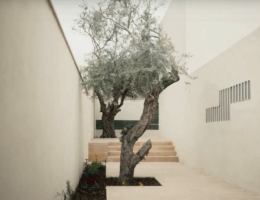
Architect Elias Khuri tells the story of a home built around 12 olive trees in the Galilee village al-Mashhad. The home reflects Palestinian architectural heritage and the Palestinian tie to the land.
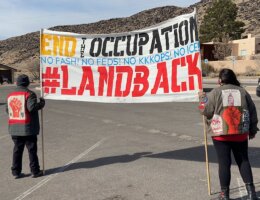
U.S. exceptionalism is ubiquitous in the American psyche, even on the left. It needs to be overcome if we are to deal with the existential crises before us.
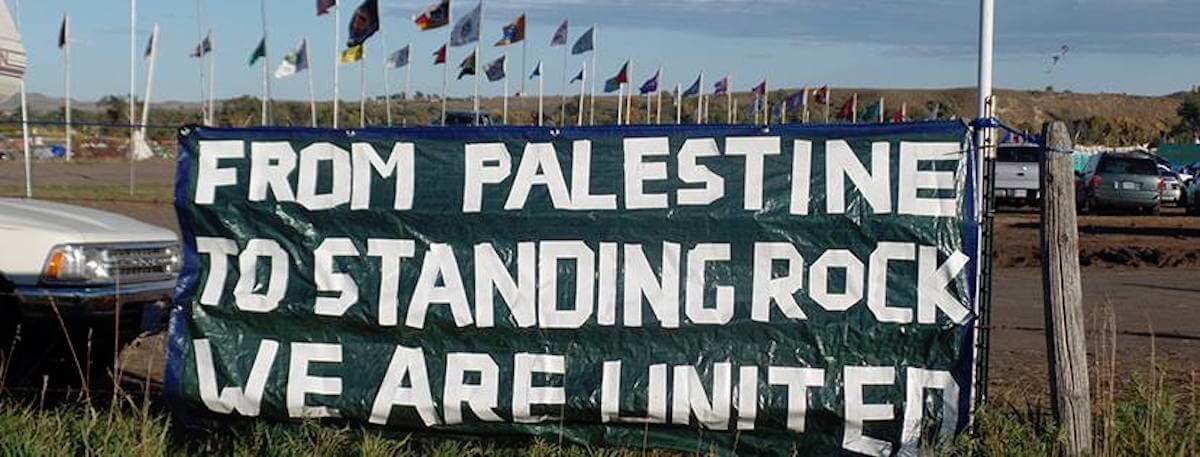
Steven Salaita says Palestinians and Native Americans are perfectly suited to an “inter/national relationship” as they share mutually-affirmational national struggles with interlocking destinies.
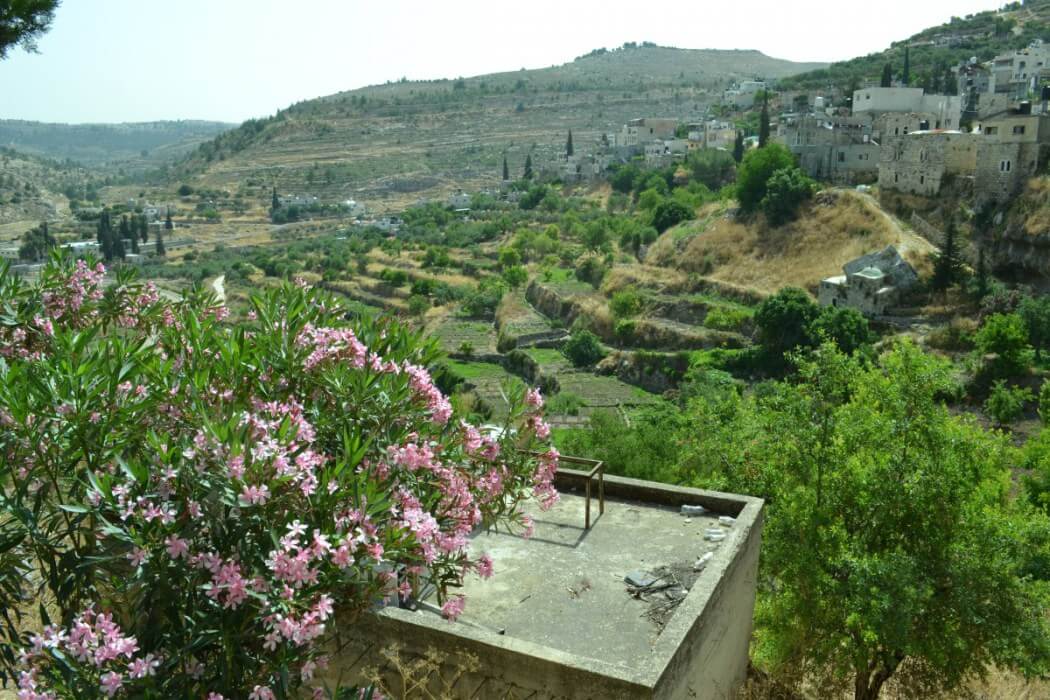
Palestinian knowledge of the land not only solidifies the Palestinian indigenous identity, but our right to the land as well.
The Red Nation says anti-imperialism and decolonization need to be a central focus of any effort to combat the climate crisis — and that effort needs to start in the United States.
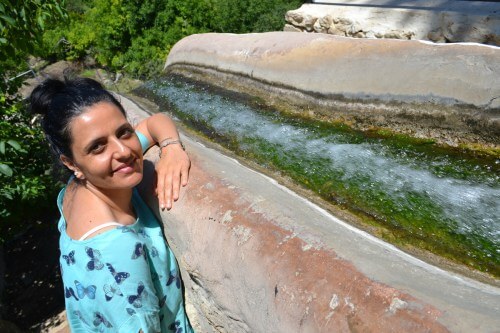
Israel has been itching to run its Separation Wall across the occupied valley of Battir for years, a move that would surely destroy that valley. But Battir has UNESCO status because of its agricultural traditions, including terraced irrigation and heirloom apricot and cucumber, and this has put Israel’s plans on hold for the time being.