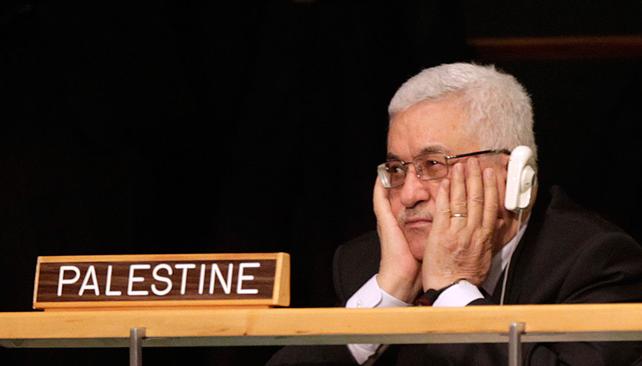
The State of Palestine that would be created under Trump’s “Plan” would be largely fictitious, with no control over its borders, its security and its population, with a completely fragmented and shrinking territory. This would violate international law, gives Palestinians no rights, and is reminiscent of the South African “Bantustan” project of the 1970s, Francois Dubuisson, professor of international law, writes.
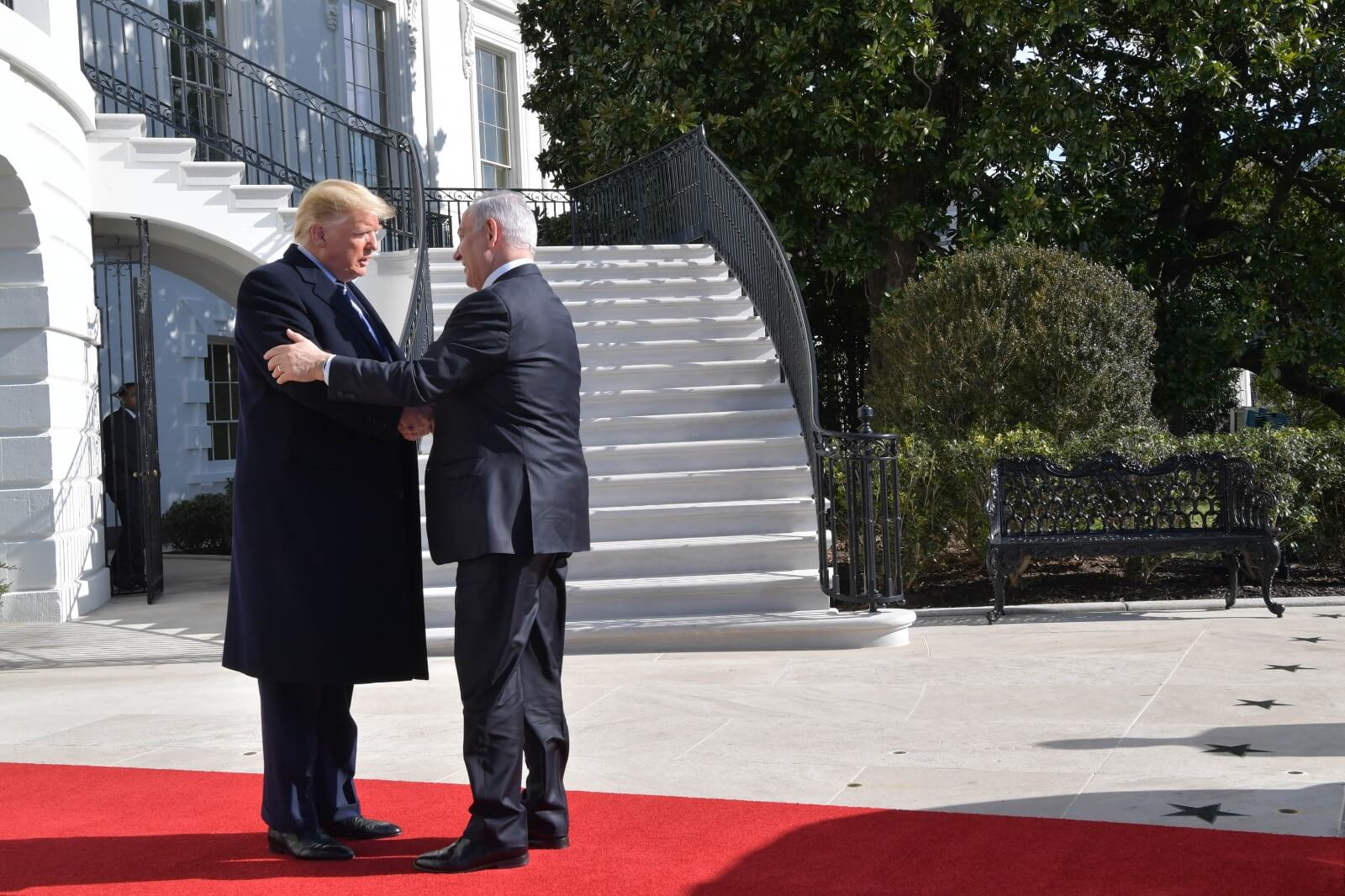
In an excerpt from her new book “Justice For Some: Law and the Question of Palestine,” Noura Erakat tackles the Palestinian Authority and its “illusory quest” for statehood where economic perks under the promise of self-autonomy “has shaped the Palestinian leadership’s commitment to U.S. tutelage and its reticence to embark on a bolder course based on a politics of resistance.”
While apartheid, military occupation, and even ethnic cleansing, have at times surfaced in mainstream discussions, these phenomena are not Israel’s ultimate crimes. They are means to control Palestinian lives and, as such, symptoms of the ongoing Nakba. But they are effectively part of a structure that is rarely verbalized: Israel’s genocide of the Palestinian population.
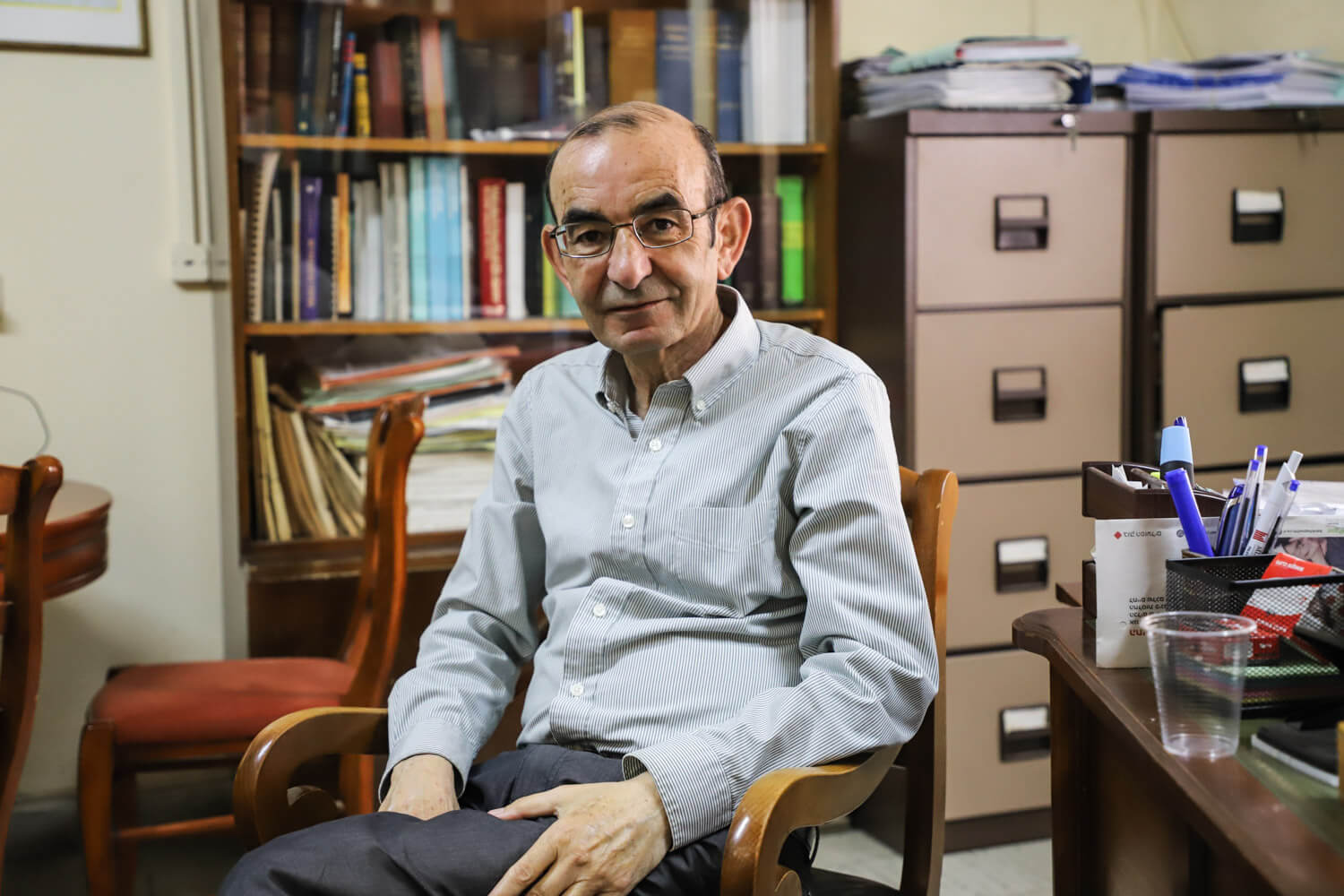
The Palestinian writer Raja Shehadeh does not support a two-state or one-state solution. “We should focus on calling for the end of the occupation, and then we can find ways that we can live together,” he tells Jaclynn Ashly.
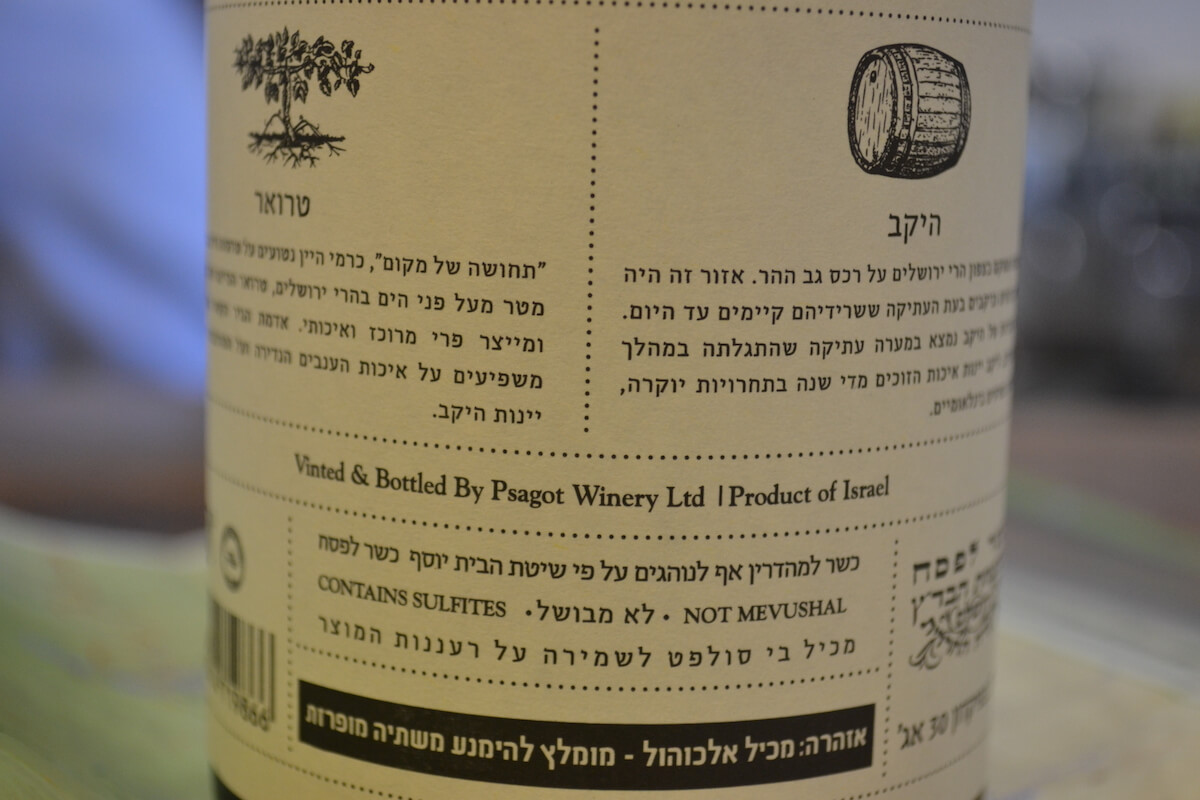
David Kattenburg gives an update on his effort to prevent wine from Israeli West Bank settlements labeled “Product of Israel” from being sold on Canadian store shelves.