In a video released by the Israeli human rights group B’Tselem, an Israeli soldier is seen confiscating the bicycle of an eight-year old crying Palestinian girl, and then tossing it into nearby bushes.


In a video released by the Israeli human rights group B’Tselem, an Israeli soldier is seen confiscating the bicycle of an eight-year old crying Palestinian girl, and then tossing it into nearby bushes.

In an effort to apologize for last year’s notorious election-day comment when he warned that “the Arabs are coming out to vote in droves,” Israeli prime minister Benjamin Netanyahu took to social media to last week to urge Palestinian citizens to become more active in public life. They needed to “work in droves, study in droves, thrive in droves,” he said. “I am proud of the role Arabs play in Israel’s success”. Swiftly and predictably, the reality of life for Israel’s 1.7 million Palestinians upstaged Netanyahu’s fine words. In a radio interview, Moti Dotan, the head of the Lower Galilee regional council, sent a message to his Palestinian neighbors: “I don’t want them at my [swimming] pools.” Sounding like a mayor in the southern United States during the Jim Crow-era, he added: “Their culture of cleanliness isn’t the same as ours. Why is that racist?”

On the heels of the Israeli government announcing 1500+ illegal settlement tenders since Monday, the Palestinian Ministry of Foreign Affairs issued a strongly worded statement, available in Arabic only, that said in part, “as long as these countries’ bilateral relations with Israel are treated separately from the occupation all Palestinian land will be annexed in the not too-distant future, relieving these countries from the trouble of circulating their useless condemnations.”

Jerusalem official Meir Turgeman says the municipality is taking advantage of U.S. election season to push forward on stalled construction projects in the occupied territories, including expanding the settlement of Ramot.
In what was intended as a message to Palestinian citizens of Israel on “equality and dignity for all,” Prime Minister Benjamin Netanyahu’s accidentally called Arabs “goats,” and received backlash from Palestinian political parties for staging a “hypocritical charade.”

Israeli Defense minister Avigdor Lieberman likens Palestinian icon Mahmoud Darwish to Hitler, and in its coverage, The New York Times continues to bury the battle inside Israeli leadership over fascistic and Nazi currents in the country’s politics.

Members of Israel’s opposition coalition will filibuster overnight to stall a vote on a controversial bill to expand the Knesset’s power to oust one of their own. The expulsion bill, formerly called the suspension bill, grants parliamentarians the authority to permanently kick their peers out of office, without loose criteria for disqualification. It is aimed at one member: Hanin Zoabi of the Joint List.
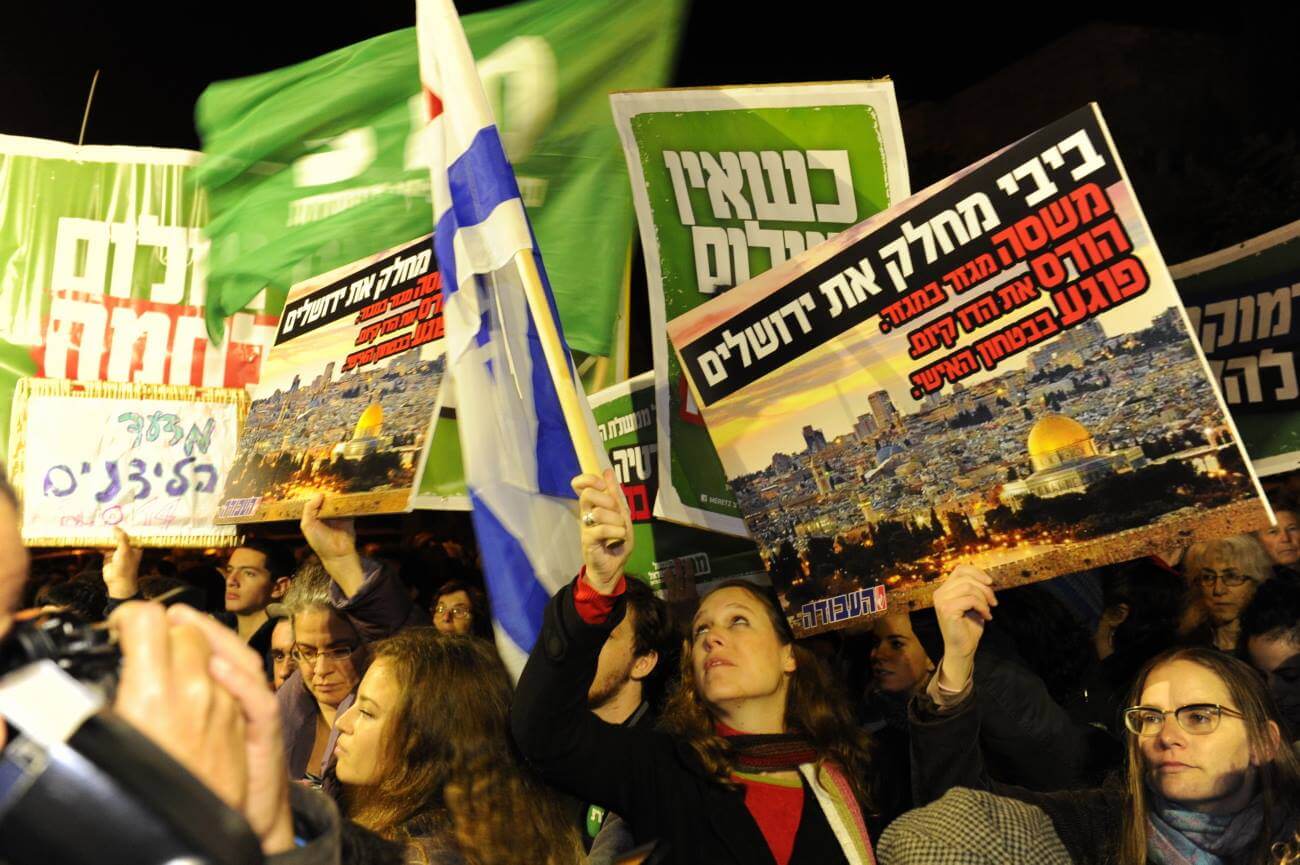
Israel’s human rights NGOs pushed back this week after the Knesset passed a transparency law that critics say was the most recent attempt by Israeli Prime Minister Benjamin Netanyahu’s coalition to persecute the country’s left. Leading Israeli settlement watchdog Peace Now vowed to wage legal war against the new law, which requires NGOs that receive more than half of their funding from foreign donors to declare their funding sources prior to addressing Knesset committees, speaking with public officials, as well as on publications and websites.
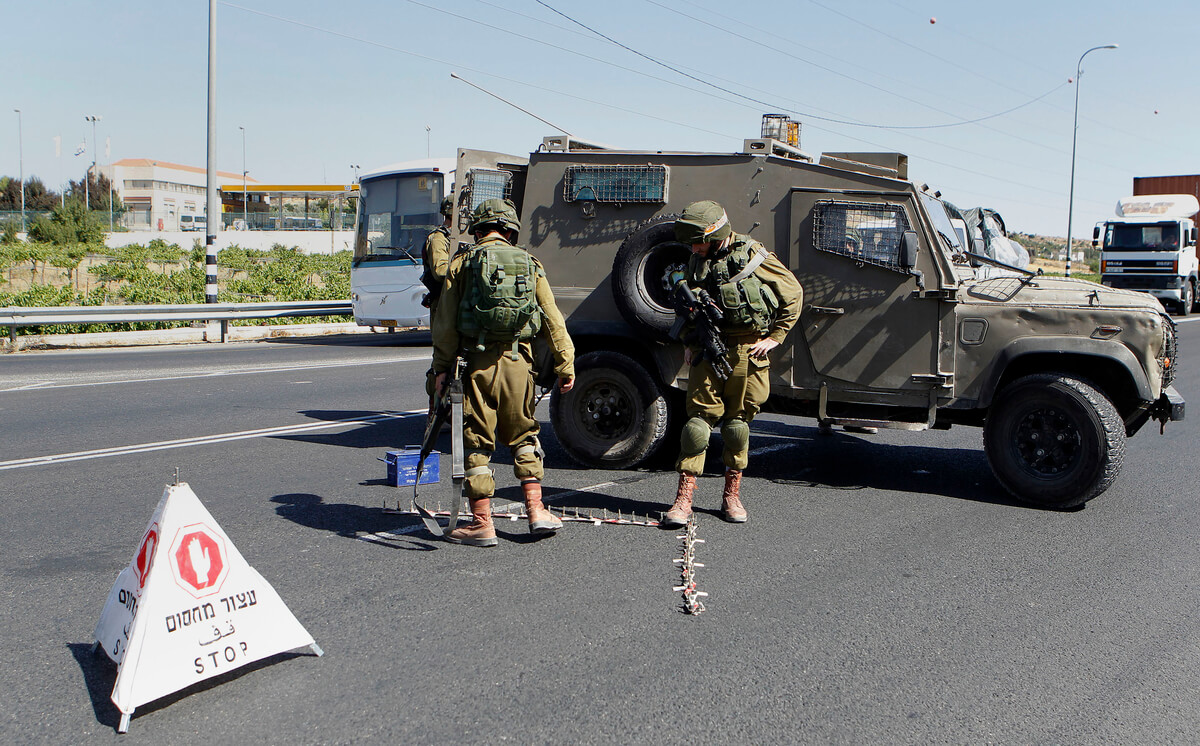
Israel’s security cabinet said Sunday it will spend $13 million to expand social and education programs in West Bank settlements “in order to make it easier” for residents “to deal with the effects of the security situation and minimize its impact on the daily routine.” Peace Now said the funding was a backdoor policy to build up settlements under the cover of responding to the recent bout of violence.

Israel’s parliament sank into bedlam yesterday as the Joint List’s Hanin Zoabi addressed the recent rapprochement between Israel and Turkey over the flotilla raid and demanded an apology for a 2010 session in Knesset where Zoabi was shouted down as a “terrorist” for her comments on the deadly attack. This time, members of government once again jumped out of their seats, with more than a dozen rushing towards Zoabi, yelling “terrorist”– to which she responded, “hit me!” An official in the Zoabi’s faction described the scene as the most volatile inside of the Knesset halls in recent memory.