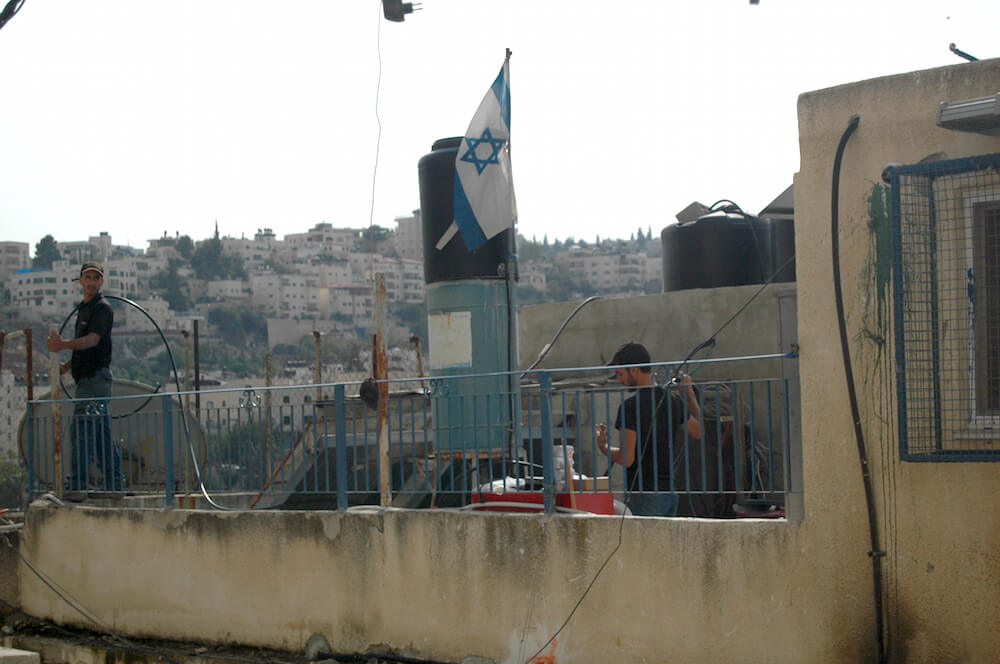
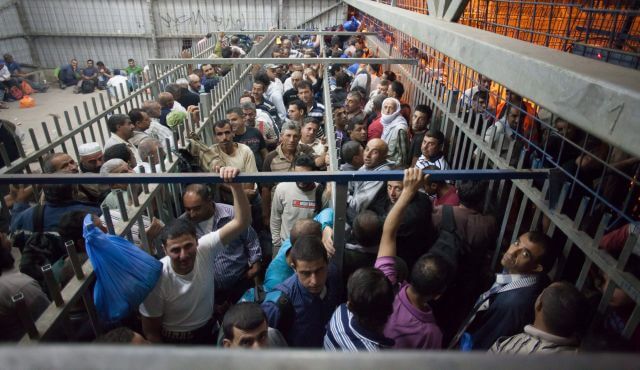
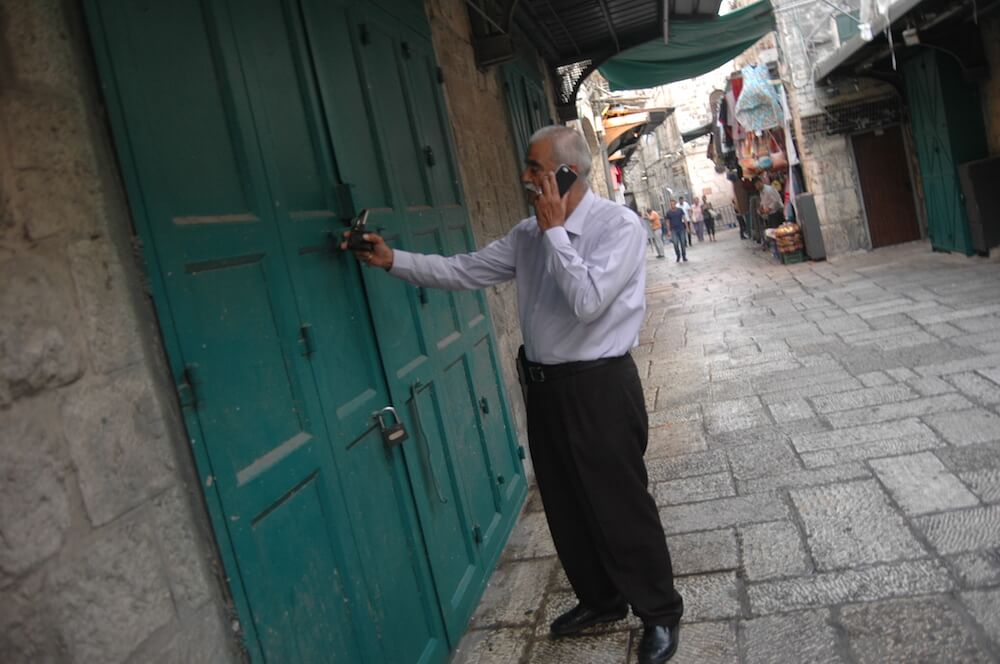
“I won’t take compensation from occupation,” Issa Amro says of destruction to his property in Hebron by Israeli soldiers. Early Saturday morning Amro, 35, awoke to dozens of Israeli soldiers entering the Youth Against Settlements house and presenting him with a military order to seize control of the house for 24-hours. Amro, along with an Italian journalist on assignment with an Israeli paper, and two international activists who were staying at the Youth Against Settlements advocacy center were then ushered into a single bedroom where, with the exception of escorted bathroom breaks, they were forced to stay until after daybreak Sunday.
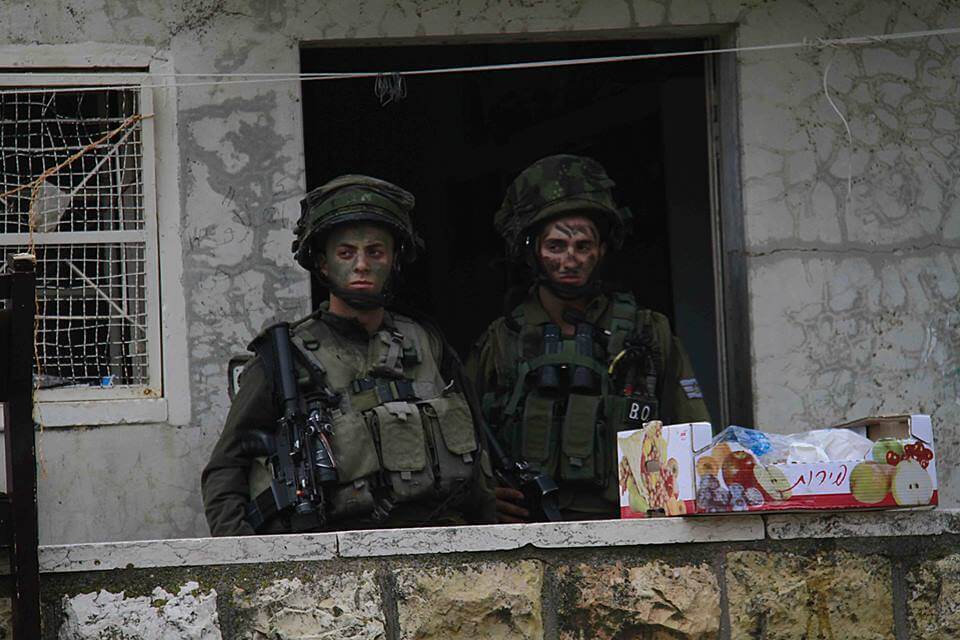
During the month of October Israeli forces killed 73 Palestinians, and Palestinians killed 11 Israelis in more than 30 attacks amid increased violence dubbed the “knife Intifada” or “third Intifada” by Palestinian media. The month of October also saw the highest number of settler attacks on Palestinians in years. In total there were 287 incidents which included settlers running over Palestinians in hit and runs, torching agricultural fields, stoning Palestinian houses and, attacking the convoy of Palestinian Prime Minister Rami Hamdallah.
After violence took hold of Jerusalem at the beginning of October, Israeli Prime Minister Benjamin Netanyahu charged the fault fell on Palestinian Authority, Hamas and the Islamic movement of northern Israel for inciting attacks against Israelis, and spurring demonstrations across the West Bank, Jerusalem and Gaza that have led to the killings of Palestinian protesters. Yet the 20-percent Arab-Palestinian minority in Israel believe that it is the Israeli government, and not the Palestinian leadership that is responsible for the outbreak of hostilities, according to a survey published by the Haifa-based think tank Mada al-Carmel.
Amid weeks of violence in Jerusalem, Israeli police and special forces raided an East Jerusalem hospital for a third day in a row on Thursday and fired tear gas, sound grenades and rubber bullets into the medical compound, injuring three patients with rubber bullets.
For the 30,000 Palestinian residents of Jabel Mukaber the checkpoints—and a new wall that is being constructed in the center of town, cement roadblocks suspending vehicle traffic and a border police force deployed throughout the neighborhood—have made the quiet hilltop town with a view from Tel Aviv to Jordan, a militarized enclave.
For the clearest distillation of Israeli political thinking there is no better place to start than at the top. Haaretz’s Barak Ravid reports on Prime Minister Benjamin Netanyahu’s message to a meeting of the Knesset Foreign Affairs and Defense Committee: “Prime Minister Benjamin Netanyahu said Monday that although he doesn’t want a binational state, “at this time we need to control all of the territory for the foreseeable future. . . I’m asked if we will forever live by the sword — yes.”
Israeli police and barking dogs woke Abdallah and Fatima Abu Nab from inside of the couple’s bedroom shortly after daybreak Monday morning, and told them to immediately and permanently leave their house in the East Jerusalem neighborhood of Silwan, bringing an end to an seven-year legal battle with Israeli settlers. This latest Israeli provocation took place in the heart of East Jerusalem where more than 40 Palestinians, and eight Israelis have been killed in shootings and attacks since the start of October.
Mohammed Alhammami shares the conversation he would like to have with an Israeli soldier who does not understand why Palestinians would be upset. The answer can be explained in one word: “occupation.”
France will present a Security Council resolution this week on behalf of the Palestinian leadership calling for international observers deployed in Jerusalem, according to senior Palestinian official and member of the PLO executive committee Hanan Ashrawi.