For too long, the global solidarity movement has only understood Palestinians as victims of Israeli violence. The current moment calls us to question the invincibility of the Zionist project and reassess our struggle.


For too long, the global solidarity movement has only understood Palestinians as victims of Israeli violence. The current moment calls us to question the invincibility of the Zionist project and reassess our struggle.
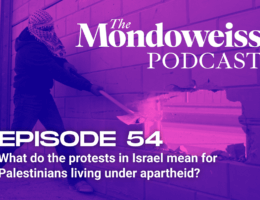
Yumna Patel speaks with Dr. Yara Hawari about Israeli protests against an overhaul to the judicial system, and what they mean for Palestinians living under Israeli occupation and apartheid.

“In Israeli terms, very, very soft gloves were used on the protesters,” Israeli commenter Neri Zilber says. That’s because the protesters look like the security forces — unlike Palestinians.
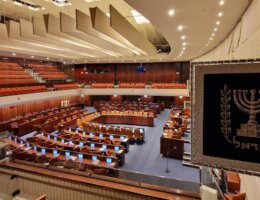
Early Zionism sought to reform the “Ghetto Jew” into the secular Zionist militant. But now the new Israeli government not only wants to push society to the right, but to dismantle its secularism as well.
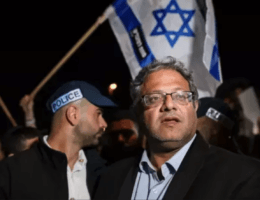
Benjamin Netanyahu temporarily halted reforms he sought to make to Israel’s judicial system, but critics say Palestinians will pay the ultimate price as the far-right continues to consolidate power.
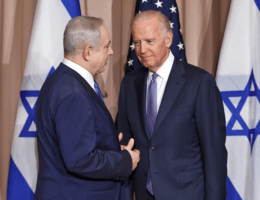
It has never been politically safer to be “tough” on Israel, but so far the Biden administration is working overtime to avoid a diplomatic crisis with Israel.
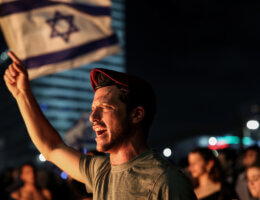
The protests roiling Israel represent a struggle over its future. The traditional elite is in an existential fight to maintain power, while the ascendant religious-nationalist majority seeks to redefine the state.
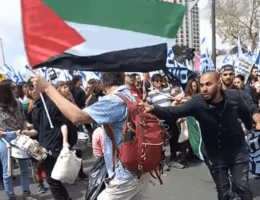
The U.S. media has missed one key part of the anti-Netanyahu protest story: the shockingly different ways Israeli police and military treat Jewish and Palestinian protests.
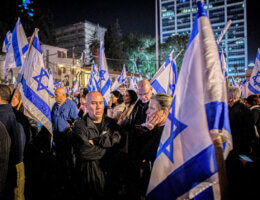
For the Palestinian people to achieve justice, Zionism must be dismantled. And for Jewish Israelis to achieve peace, we too must free ourselves from this project of Jewish supremacy.

The Balad-Tajammu’ party says the current Israeli protest movement is fighting for a fake democracy for Jews only. How sobering it is that this view is considered so radical it is beyond the pale for Israeli politics.