James Zogby talks to Mondoweiss about his late friend, Jesse Jackson, and his enduring legacy among Arab-Americans.
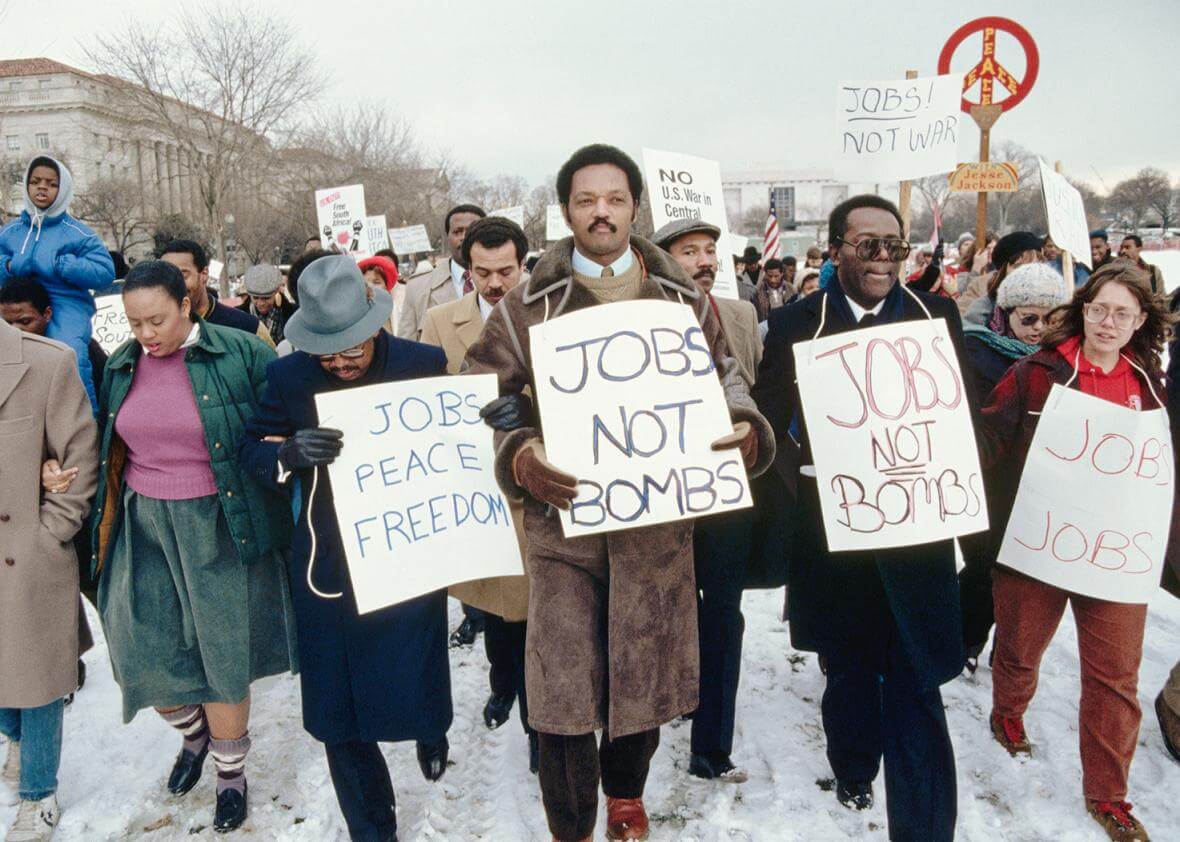

James Zogby talks to Mondoweiss about his late friend, Jesse Jackson, and his enduring legacy among Arab-Americans.

At its summer meeting, the Democratic National Committee will vote on two rival resolutions concerning Gaza. The competing proposals highlight the growing divide over Israel within the Democratic Party.

James Zogby speaks to Mondoweiss about the DNC’s snub of the Uncommitted movement, and what it will take for Washington to shift on Palestine.

Democrats are looking to unite the party during their National Convention in Chicago and polls show one way for Kamala Harris to do this is to pledge to stop arming Israel.

The fascistic new Israeli government is a step too far for liberal Zionists; and segments of the pro-Israel community are calling on American Jews to criticize Israel, and bring the politicians. Some even say, It’s apartheid. Or “Jewish supremacy.”

Calls for sanctions and BDS against Israel in the wake of its new government’s “bold” actions against Palestinians are causing that government to dig in. Netanyahu ally Danny Danon called on the United States to block any UN Security Council resolution against provocative Israeli actions at the holy sites in Jerusalem. While Netanyahu minister Amichai Chikli accused Israeli opposition leader Yair Lapid of being the “spearhead of the BDS movement.”

Eliot Engel’s defeat has shocked the Israel lobby and Congress. They understand that the tide is turning, and the Israel Palestine issue is like gay marriage 25 years ago, with progressives on one side and conservatives on the other. The Democratic base wants change. So says longtime DNC member Jim Zogby.

Netanyahu is sending Tzipi Hotovely to be ambassador to the UK even though she has attacked the leading body of British Jews, the Board of Deputies, for supporting a Palestinian state. “[A]n organization that supports the establishment of a Palestinian state is clearly working against Israeli interests. It is important to say explicitly: A Palestinian state is a danger to the State of Israel.”

U.S. liberals opposed to annexation use Israel-centric and racist arguments, that it will hurt Israel or threaten a Jewish majority, Jim Zogby explains.

James Zogby writes, “The second decade of the 21st century began with two traumatic events that would transform the Middle East. In fact, although the seeds had been planted years earlier, 2011 proved to be a watershed year for the people of the region.”