Tag

On the ground reports

Browsing
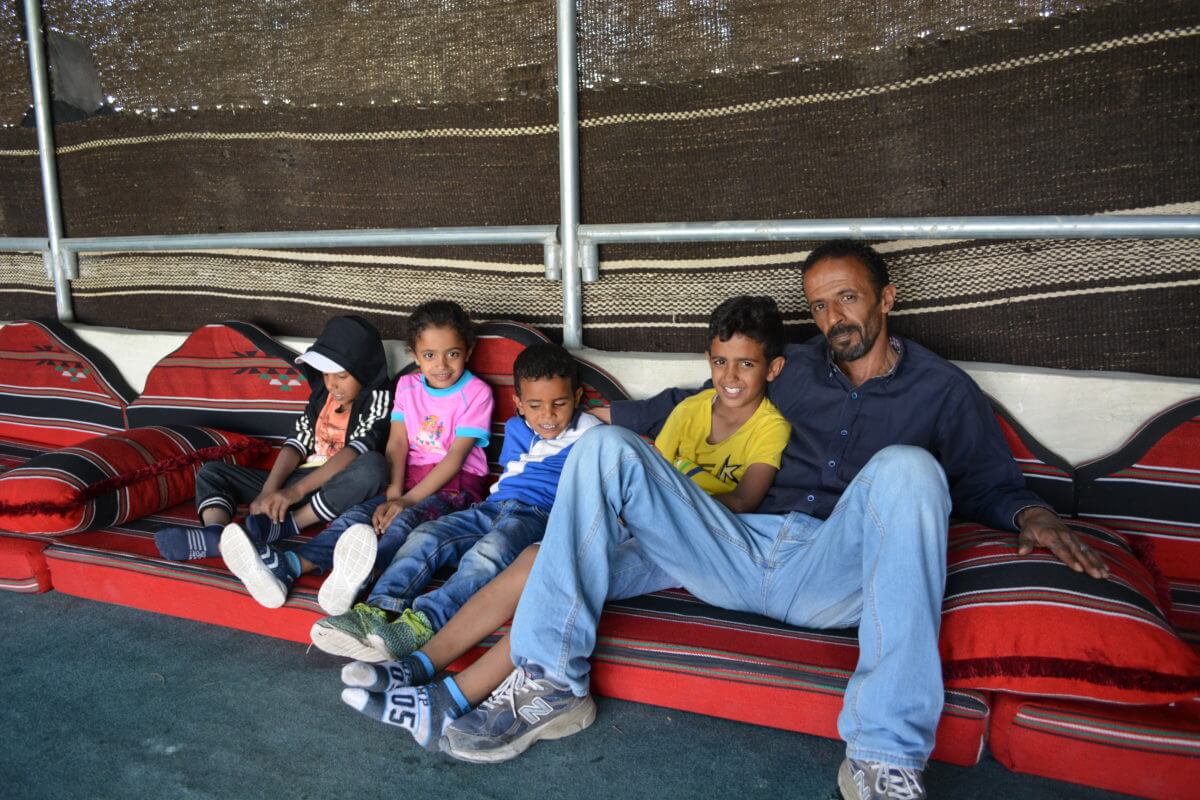
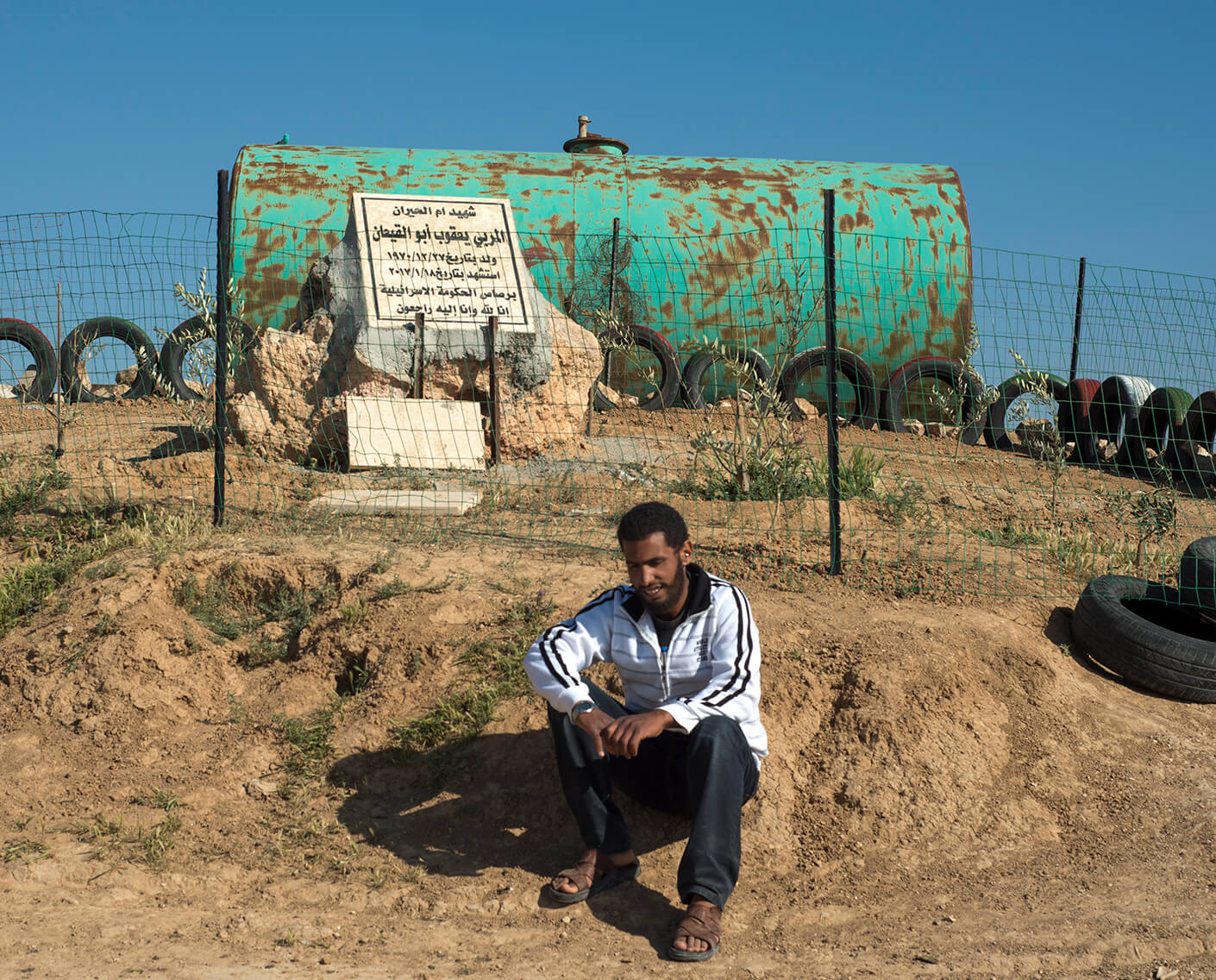
Noor Abu al-Qia’an sits beside a monument dedicated to his father Yakoub Abu al-Qia’an, in Umm al-Hiran. (Photo: Howard Cohen)

Howard Cohen returns to the unrecognized Bedouin village of Umm al-Hiran where he meets more members of his student’s, Noor Abu al-Qia’an, family, and finds a cousin who was nearly lynched by a mob of Israelis, “Noor’s expression grew animated with tension and excitement as he related the story, as if he himself was reliving it. His cousin was working in a supermarket in Tel Aviv and had stepped outside into the street to smoke a cigarette. A young man came up to him and demanded aggressively that he show his ID. The Bedouin youth was indignant at this unwarranted intrusion into his life and replied that he was not a police officer and had no right to demand from him anything. ‘Show me proof that you are a police officer otherwise just leave me alone,’ said the youth proudly. The man refused to show any ID and also refused to accept that the Bedouin Arab could defend his rights according to the law like any other citizen and set upon him brutally. His friends who were nearby came to the scene and joined in the lynching. Noor’s cousin was beaten to a pulp and hospitalized as result. ‘I think I remember hearing about this on the news at the time,’ I said. Noor nodded, confirming that the event indeed reached the mainstream news outlets. ‘A campaign was set up for him and he received 80,000 shekels which was paid into his account.'”
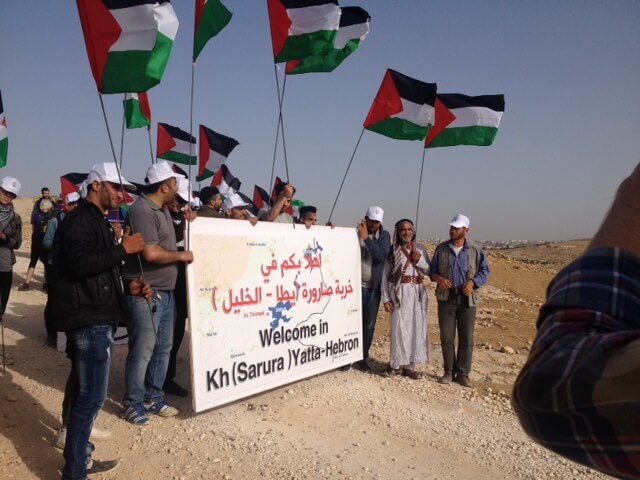
Jodi Melamed is on the front lines of a joint Palestinian-Jewish effort to reclaim confiscated land through strategic nonviolence: taking back the village with a peaceful protest encampment, “Eight days ago, I woke up with 130 other American and international Jews on a rooftop in the South Hebron Hills and in order to avoid being stopped at checkpoints, hiked into the village of Sarura to take part in an unprecedented number of Jews from abroad who are participating in a Palestinian-led coalition seeking to return families forcibly evicted from that village in the 1990s, and to launch a resistance camp, modeled on Standing Rock, to test the power of nonviolence to reverse the systematic displacement of occupation in the West Bank.”

Every single home demolition is devastating to a family. Every single demolished family tells a unique and surreal story about the day when Israeli bulldozers rolled over their children’s schoolbooks, their grandmother’s prescription medicines, and letters from their uncle overseas. Nora Lester Murad tells the story of Ashraf and Islam Fawaqa and their four daughters — Ritaj, 9; Rimas, 7; Saba, 4; and Aya, a newborn whose Jerusalem home was demolished while they were taking Aya to an infant checkup.

Michael Merryman-Lotze remembers Israel’s siege on the West Bank city of Ramallah during Operation Defensive Shield: “The night of April 2 was one that I won’t forget. That was the night that the Israeli military took over the Preventative Security Office in Betunia. They surrounded the building with tanks and forced out the Palestinian police inside, arresting many. They searched the prison, releasing criminals and detaining others. They then proceeded to destroy the compound, firing tanks and missiles into the buildings throughout the night.”

Youth Against Settlement’s Issa Amro writes about signs settlers have posted inside of Hebron, “At the front of Shuhada street in the old city of Hebron is a street sign pointing multiple directions: Chabad Cemetery, Old Jewish Cemetery, Ancient Tel Hebron. The words are in Hebrew and English only. The purpose of the sign is not to provide directions but to erase Palestinian identity, and even the Arabic language, from the area. For more than a decade Israeli settlers have been installing these types of signs throughout Hebron. Over the past two years, the installation of these signs has increased exponentially.”

Last Sunday 16-year-old Fatima Hjeiji was shot dead by Israeli forces as she approached a group of five Israeli border police officers in Jerusalem, allegedly carrying a kitchen knife with the intention of attacking them. Sheren Khalel talks to her family who remembers the teen as an activist, poet, and stellar math student. “Even though Fatima was a young girl, she had a very strong personality — very strong,” Fatima’s grandfather says. “Ever since she was a little kid she was always carrying the Palestinian flag, speaking about Palestinian land. She went to Jerusalem to be in solidarity with the prisoners, she went to Jerusalem for Palestine.”

The Jahalin Bedouin in Jabal al-Baba face imminent demolition. Mersiha Gadzo reports: “Forty-two-year-old Atallah Mazara’a from the Jahalin Bedouin tribe recalls a time when residents were free to move, unhindered by concrete walls and unobtainable permits. Such a scenario today remains a distant dream, even though Jerusalem is only 2.5 miles away. Now, Bedouin communities stand in the way of the E1 zone, which would expand settlements from Ma’ale Adumim to occupied East Jerusalem.”

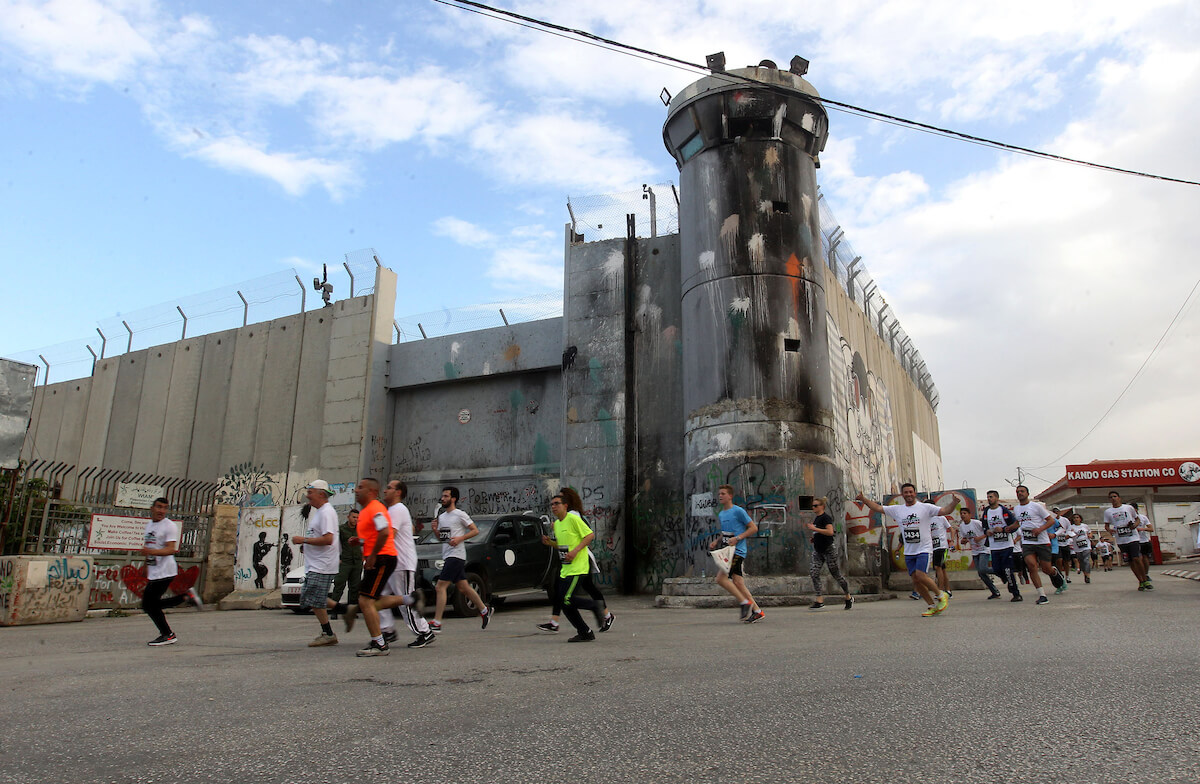
The fifth annual Palestine Marathon kicked off on Friday in the West Bank city of Bethlehem—with 6,000 runners participating, this year’s marathon was the largest ever in the city. The marathon, which takes place every year to publicize Israel’s restrictions on Palestinian freedom of movement, saw runners from at least 65 different countries, according to Bethlehem Mayor Vera Baboun.