Tag

On the ground reports

Browsing

In practice there has never been a serious limit on theft of Palestinian land. But now, after passing the “Regularization Bill,” Israeli government support for the plunder will be explicit in law. It will be impossible to blame the outposts on “rogue” settlers, or claim that Israel is trying to safeguard Palestinian property rights.

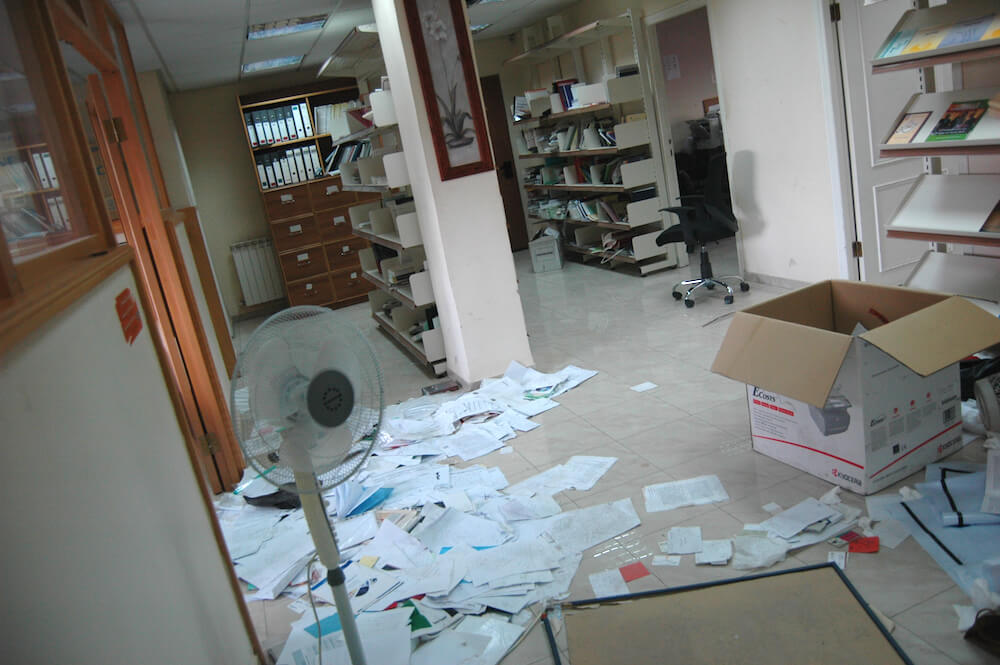
Mohammed al-Qiq, a Palestinian journalist who spent 94-days on hunger strike last year to challenge his administrative detention—Israel’s policy of imprisoning Palestinians without charge or trial—announced Monday a second hunger strike, this time against his re-arrest. Al-Qiq’s wife, Fayha Shalash, told Mondoweiss that the proceedings, which were held in Ofer Military Court, were illegitimate, “This whole thing is just a way to put Mohammed back in jail, they have no proof of anything against him, they just want to keep him away from everything.”

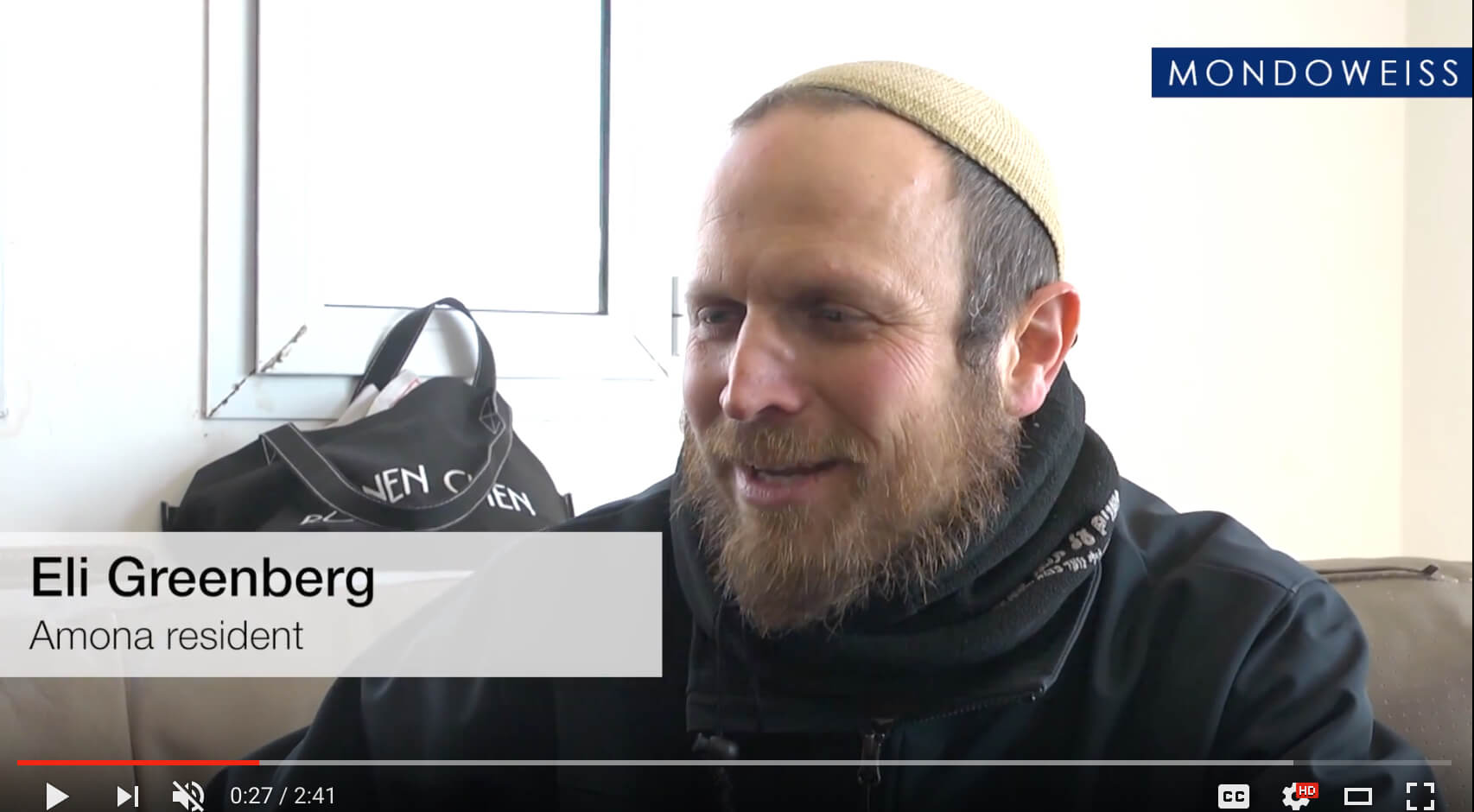
Israeli police evacuated more than 200 Israeli settlers Wednesday from the West Bank outpost of Amona, dragging families with young children out of the illegal community that was built more than a decade ago. It may seem that justice prevailed in favor of the original Palestinian landowners, but for many it is not a victory. Amona residents will ultimately be relocated in adjacent plots of land, which also belong to Palestinians.

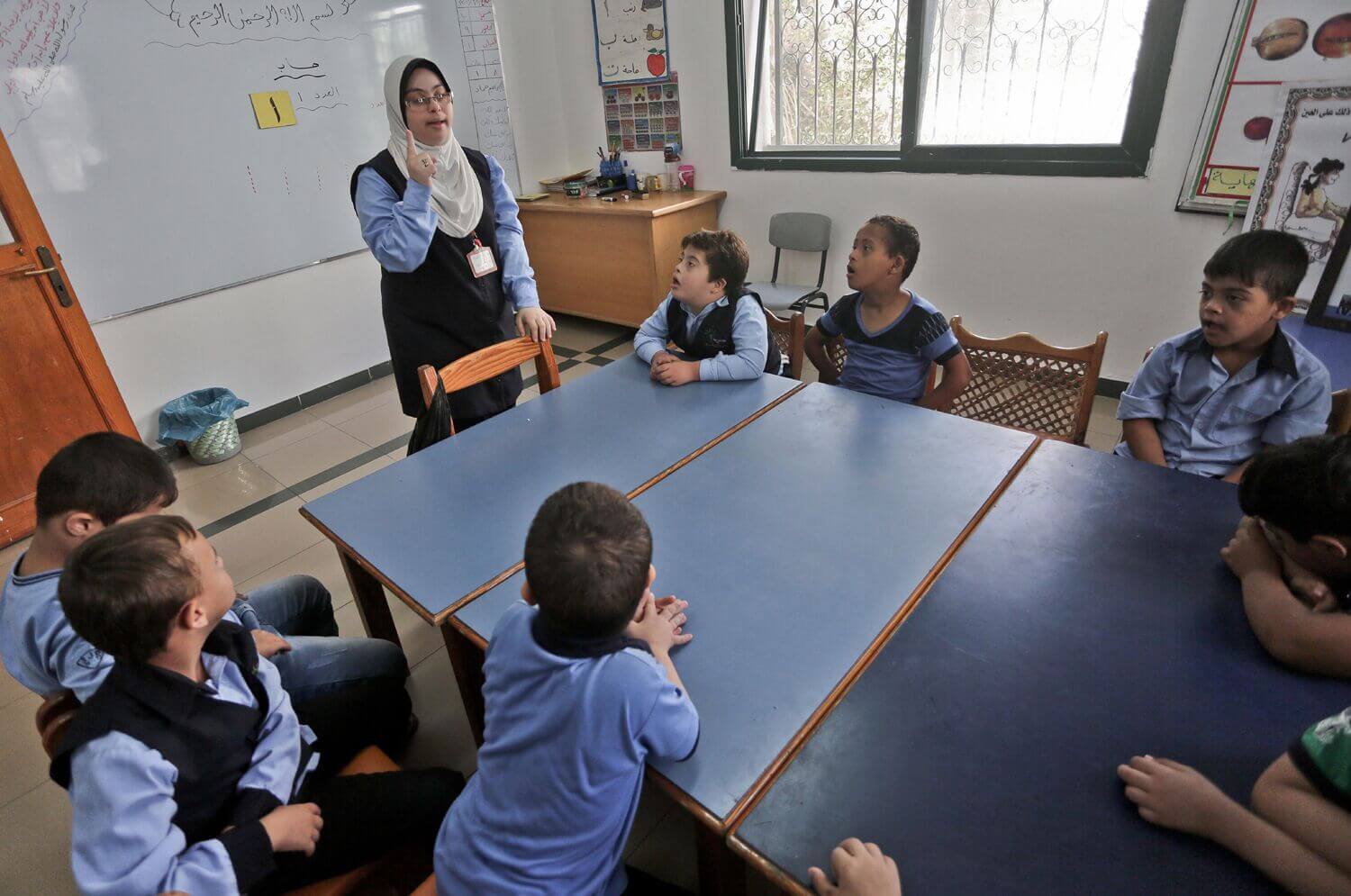
Five years ago the United Nations made a shocking declaration about the future of the Gaza strip: it will no longer be “a liveable place” by the year 2020. How do the people of Gaza respond to these warnings? “The international community always states there is a crisis in Gaza and then raises alarming statements. We were afraid in the past, but today people have become more cold-hearted,” said Adnan Abu Shamala, 87, a scrap vendor in a Gaza city bazaar. “I was in Amman four years ago where people were laughing loudly in every coffee shop. I met people there and I told them that I have not even smiled since six years due to the bitter life in my homeland.”

Israeli police and authorities have rushed to produce a ‘terrorist’ narrative of an official killing; but autopsy indicates the Israeli teacher Yacoub Abu Al-Qia’an was executed at Umm al-Hiran village last week and left bleeding for twenty minutes when there were medical vehicles at hand. “They murdered him not once, but several times,” his brother Ahmed says.

A peaceful march broke out into clashes on Sunday, after Palestinians gathered in the occupied southern West Bank city of Bethlehem to demand Israeli authorities release the remains of Palestinians killed by Israeli forces to their families for burial. Samir al-Khadour, the husband of slain Majd al-Khadour, said, “To see all these people here gives me hope that I will get my wife’s body back one day.”

The two generators of Gaza’s sole power plant stopped operating Jan. 6 due to a severe fuel shortage. For most residents, that means most areas are receiving power for a mere three hours in between 12-hour blackouts. Who and what is to blame is a subject of many dark jokes and frustration—sometimes breaking into protests and arrests. Most residents in Gaza, however, place a large share of the blame on feuding political leaders.

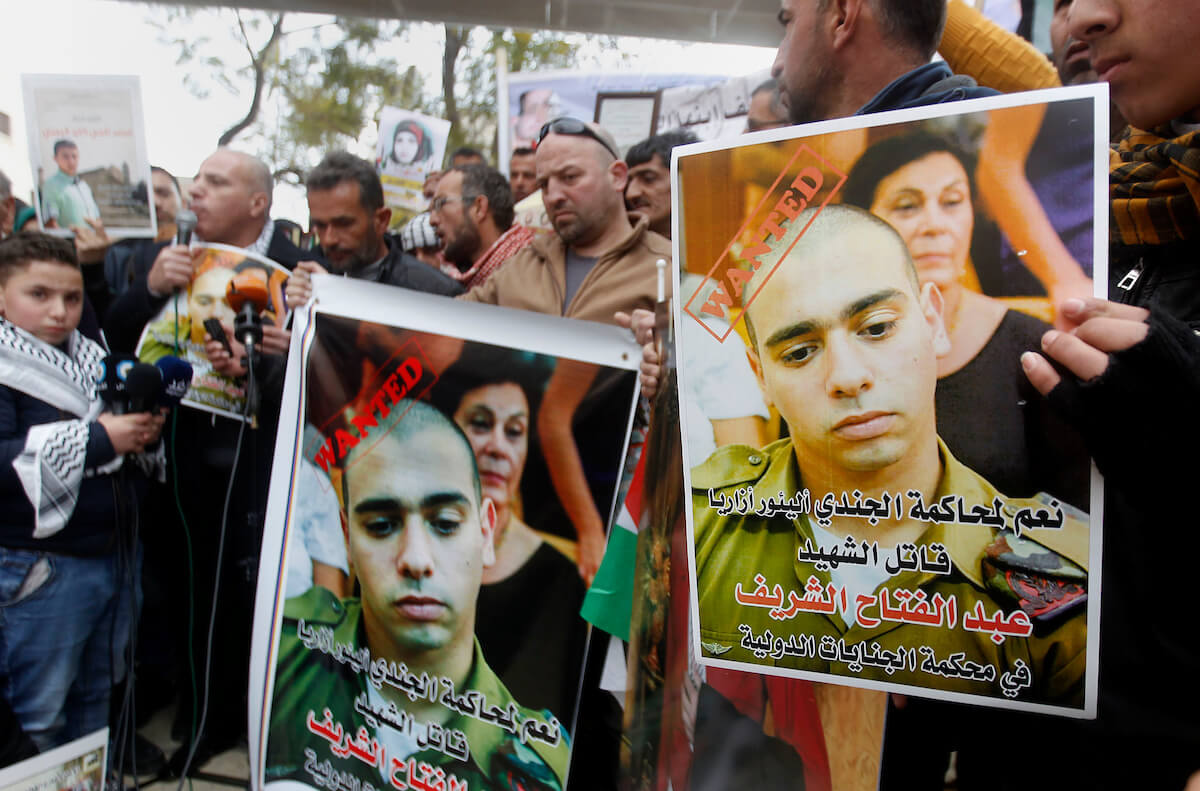
Emad Abu Shamsiyah first started receiving death threats in March, after a video he filmed for Israeli rights group B’Tselem, which captured Israeli soldier Elor Azaria shooting dead Abed al-Fattah al-Sharif, 21, was released to the public. Now, the manslaughter ruling against Azaria has translated into anger among Israeli settlers and Shamsiyah cannot walk the streets of his neighborhood without fearing for his life. “It was already bad before, but after the court ruling, all these threats started to come in through my Facebook, telling me I will die and that people want to murder me,” Shamsiyah tells Mondoweiss.