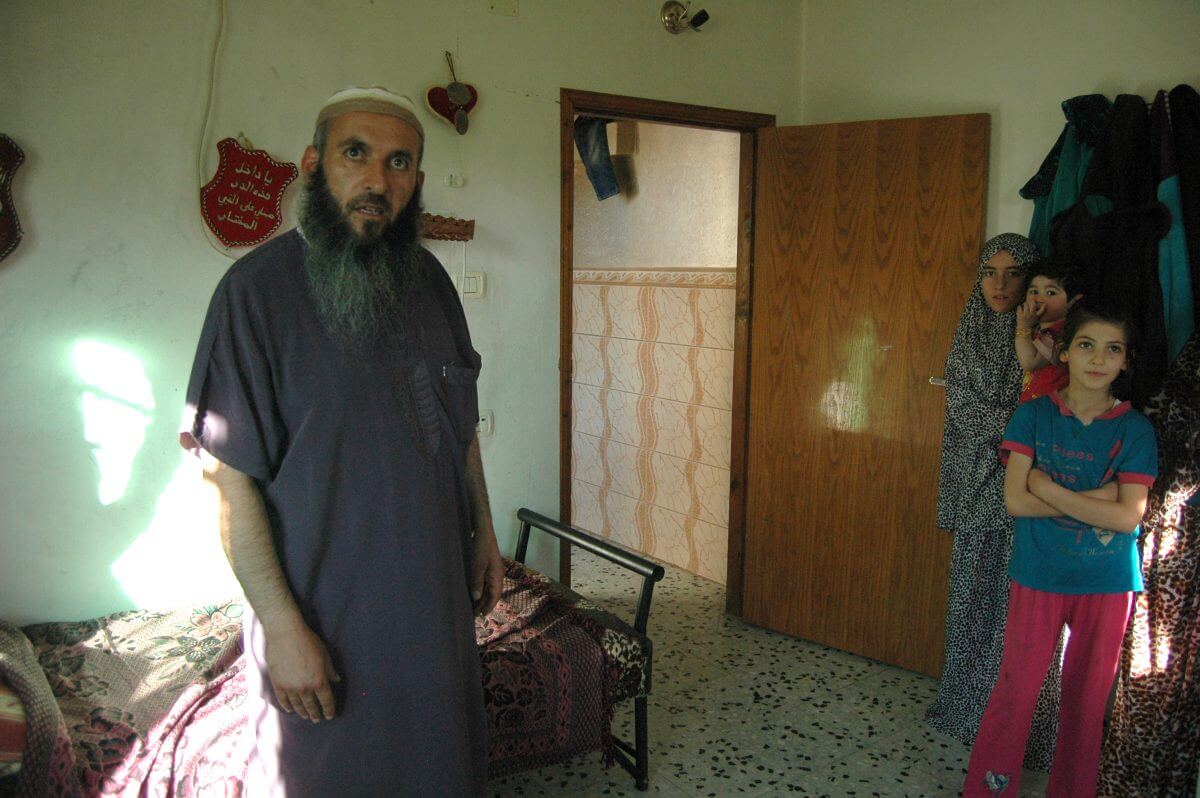
“When Sa’id ‘Awad spotted the first pomegranate saplings popping up on his fields, he should have seen it coming. A part of him perhaps already understood that the long process threatening his land was nearing its logical conclusion; that the handful of tender trees would yield the poisoned fruit of dispossession.” Yigal Bronner reports on the the Kafkaesque tribulations of a Palestinian farmer in Area C of the West Bank.
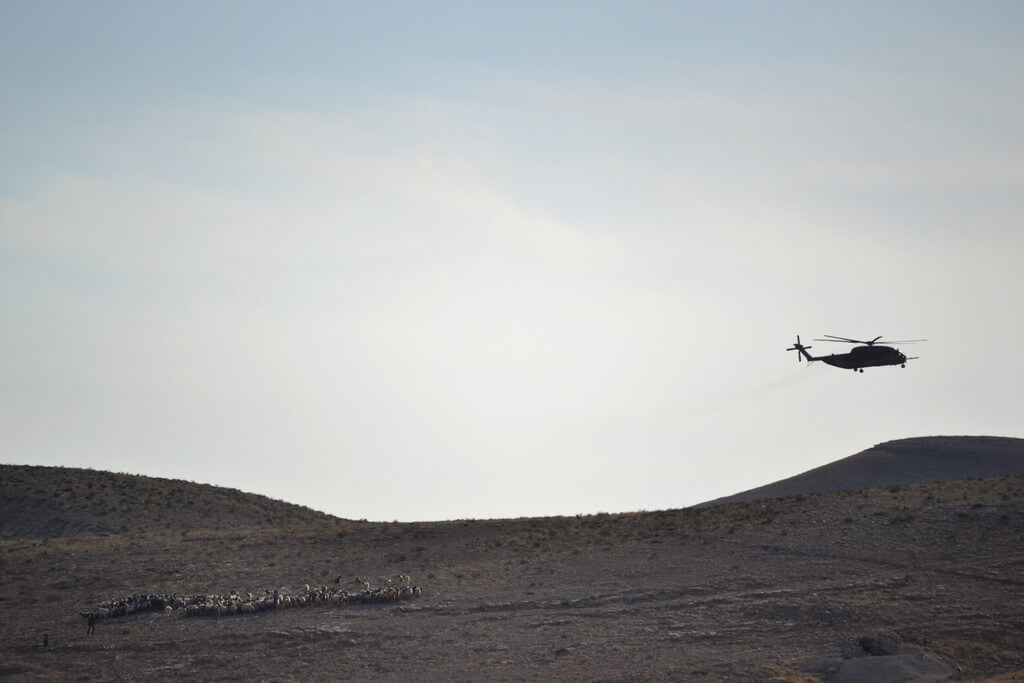
Upcoming municipal elections in the West Bank and Gaza were cancelled yesterday by a Palestinian high court in Ramallah, after ruling in favor of a lawyers guild’s petition to strike down the race because East Jerusalem Palestinians were not eligible to cast ballots, or compete for seats in the government. Although the decision was said to have been made over a procedural technicality, some speculated political motives from members of the West Bank-based Fatah were at play.
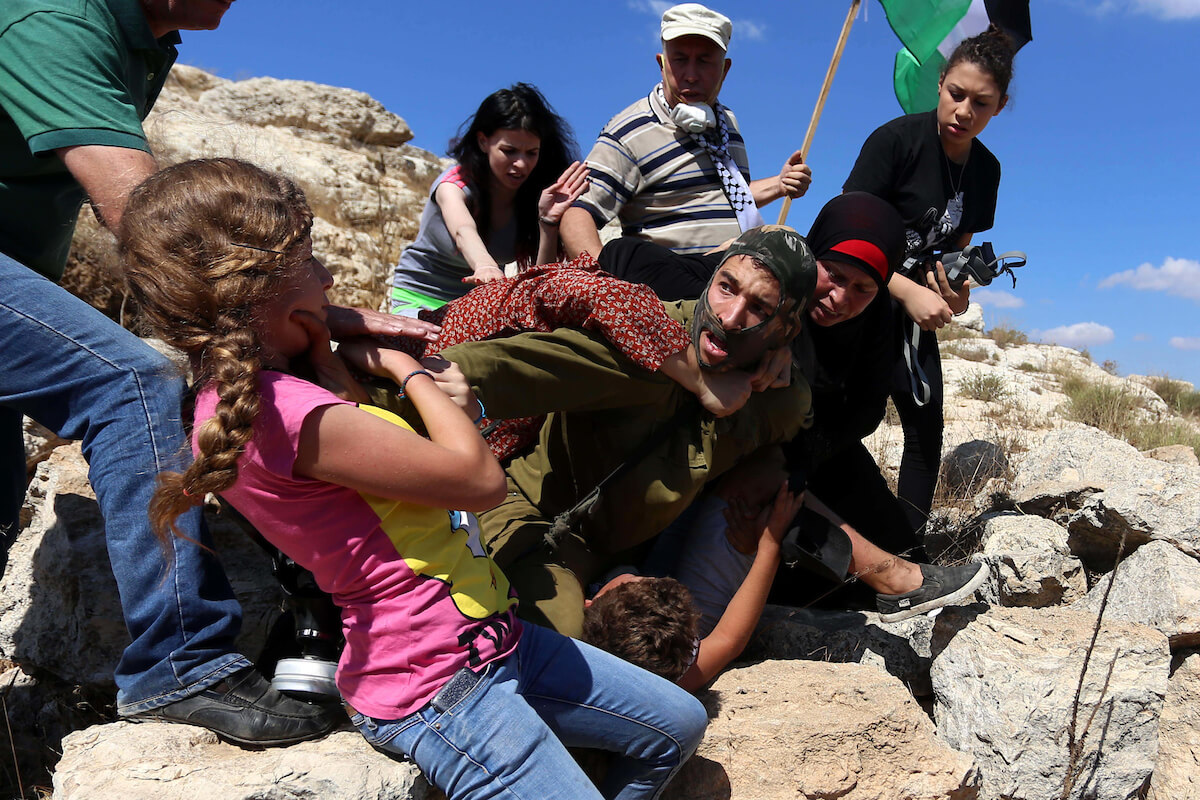
Over the summer, one of the founding villages of the Palestinian non-violent movement, Nabi Saleh, decided to stop holding the weekly Friday demonstrations that brought the small West Bank town international attention. The move comes following scores of arrests and a general fatigue among protesters. “The tear gas is inside the village, the clashes are inside of the homes, and it’s a small village which makes it difficult for the people to continue,” said Bassem Tamimi, a leader in Nabi Saleh who helped organize weekly marches over the past six years. He estimates that more than 350 people from his 600 person town have been injured in clashes with the army since 2010, and 50 were left physically disabled.
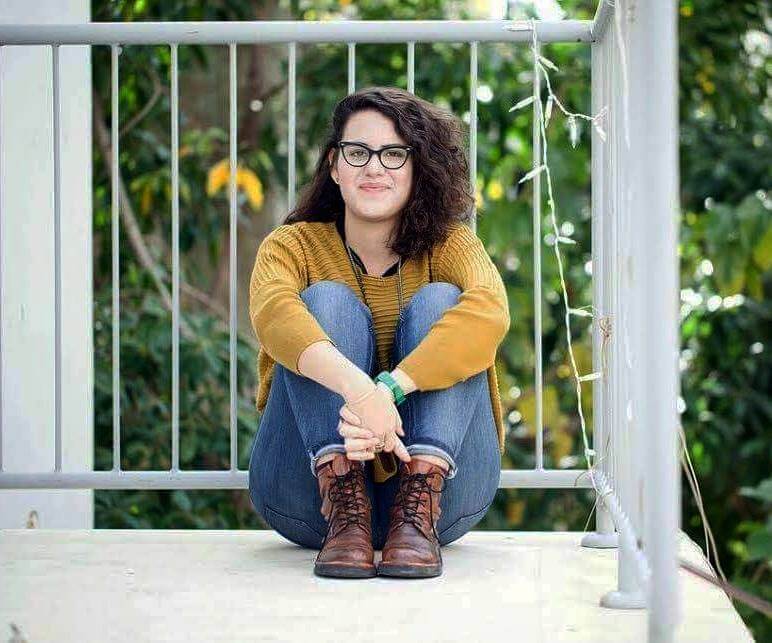
Omri Baranes is a 18-year-old conscientious objector who served 67 days in military prison for resisting Israel’s obligatory military draft in protest of the nearly half-century occupation of Palestine. “Even before I knew anything about the occupation of Palestine, I couldn’t understand why our culture was centered on violence,” Baranes tells Mondoweiss. “It’s like we are born with guns in our hands. Our society is so militant and most Israelis never learn anything else.”
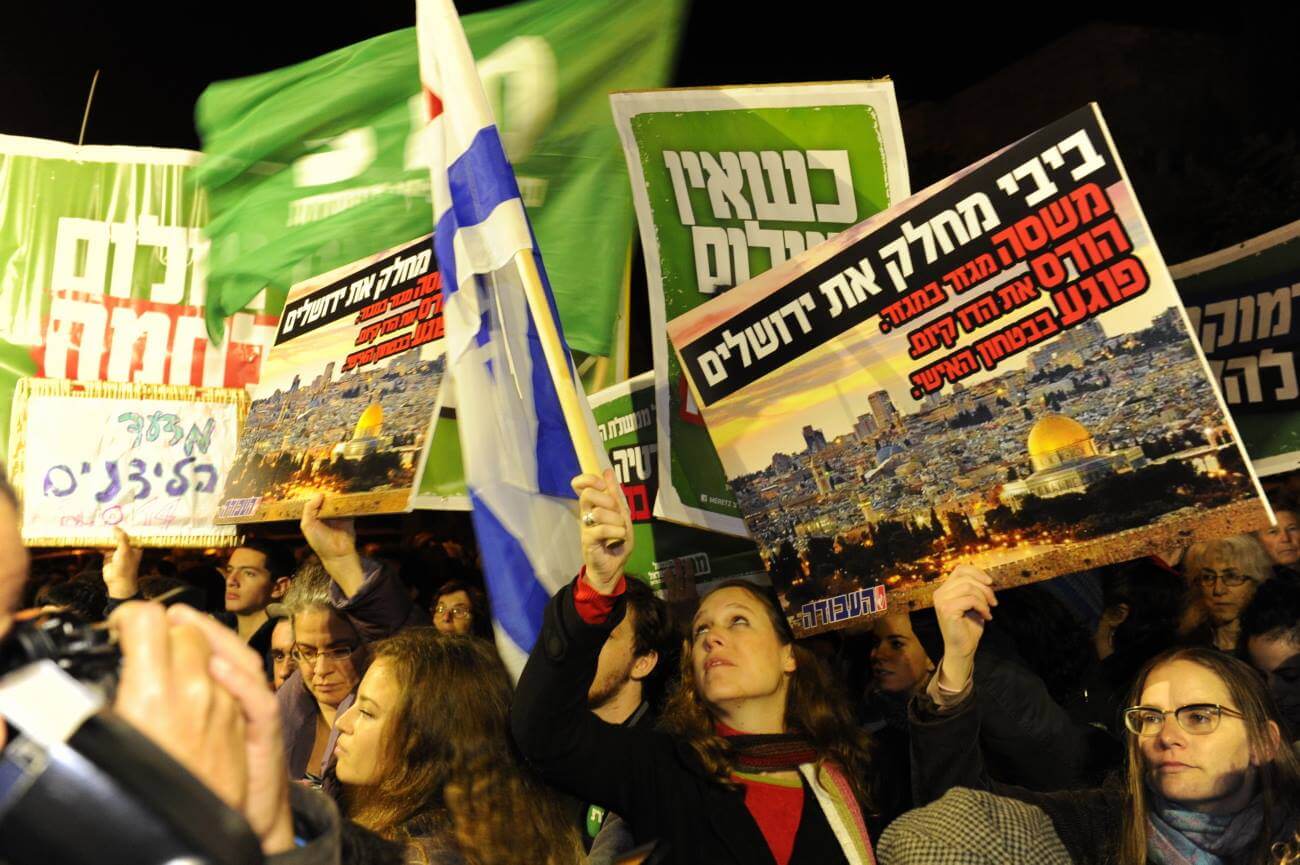
Members of Israel’s opposition coalition will filibuster overnight to stall a vote on a controversial bill to expand the Knesset’s power to oust one of their own. The expulsion bill, formerly called the suspension bill, grants parliamentarians the authority to permanently kick their peers out of office, without loose criteria for disqualification. It is aimed at one member: Hanin Zoabi of the Joint List.
Israel’s human rights NGOs pushed back this week after the Knesset passed a transparency law that critics say was the most recent attempt by Israeli Prime Minister Benjamin Netanyahu’s coalition to persecute the country’s left. Leading Israeli settlement watchdog Peace Now vowed to wage legal war against the new law, which requires NGOs that receive more than half of their funding from foreign donors to declare their funding sources prior to addressing Knesset committees, speaking with public officials, as well as on publications and websites.
Israel’s security cabinet said Sunday it will spend $13 million to expand social and education programs in West Bank settlements “in order to make it easier” for residents “to deal with the effects of the security situation and minimize its impact on the daily routine.” Peace Now said the funding was a backdoor policy to build up settlements under the cover of responding to the recent bout of violence.
Muslims across the world have spent June observing the religious month of Ramadan. In Gaza, where reconstruction after three wars in six years has stalled, the celebrations, fasts followed by feasts, and prayer has brought a welcomed sense of normalcy. Palestinian photographer Mohammed Asad brings a glimpse of how Gazans enjoy the month of Ramadan.
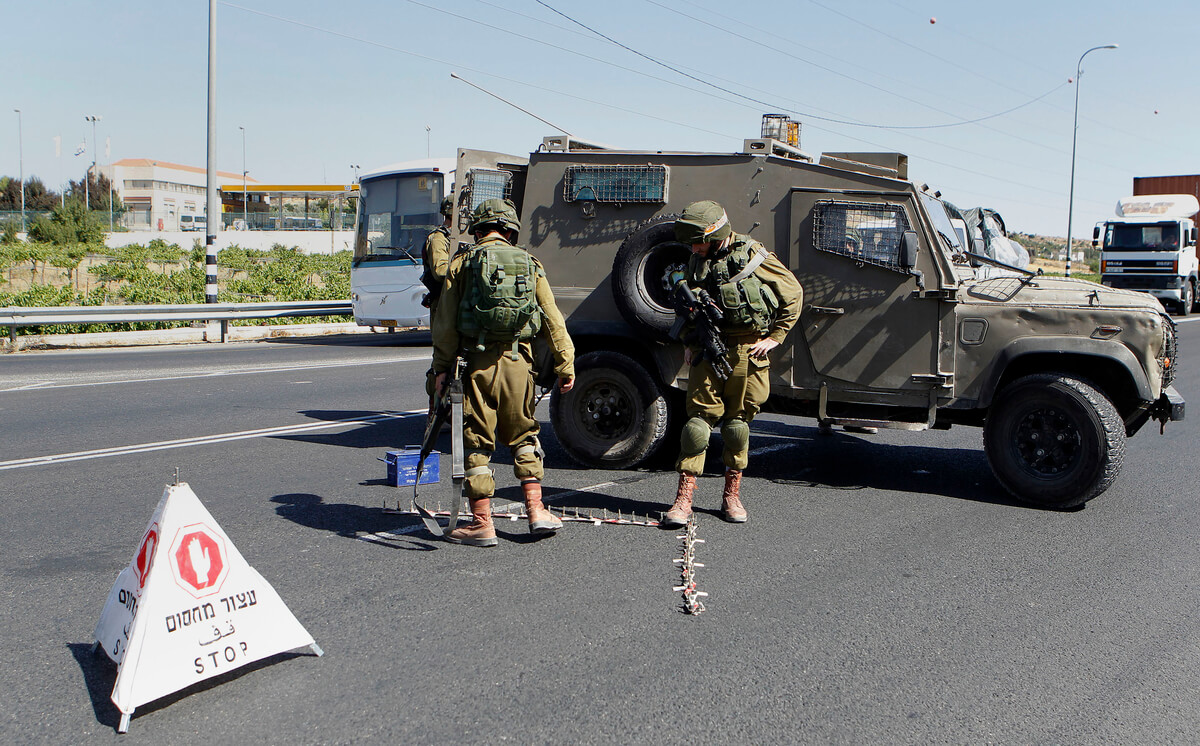
Days away from the Eid holiday Shafooq Baloot, 25, does not know how or when she will do her annual clothes shopping. “We can’t go everywhere whenever we would like,” the English teacher tells Allison Deger. The Israeli army shut the main entrance to Baloot’s town with cement blocks and an earth mound after a teen from her village killed a 13-year old Israeli in a nearby settlement last Thursday. Over the weekend Israeli forces barricaded at least 20 more villages in the Hebron area, along with the southern entrance to the city of Hebron itself.
Khaled Makhamri was an excellent student enrolled in university in Jordan on a prestigious governmental scholarship. Now his family is trying to understand why he carried out one of the deadliest attacks in Tel Aviv in years. More than 60 of the attackers in the last 9 months came from Khaled’s district in the southern West Bank and his hometown of Yatta is a particularly difficult place to live. It has the highest school drop out rate in the occupied Palestinian territory, settler attacks on agricultural land in the outskirts of town are common, and Israeli army ordered home demolitions in the surrounding areas are frequent. “The reason why he did such a thing is the occupation, he is not working with any illegal organization,” his father tells Allison Deger.