Tag

On the ground reports

Browsing

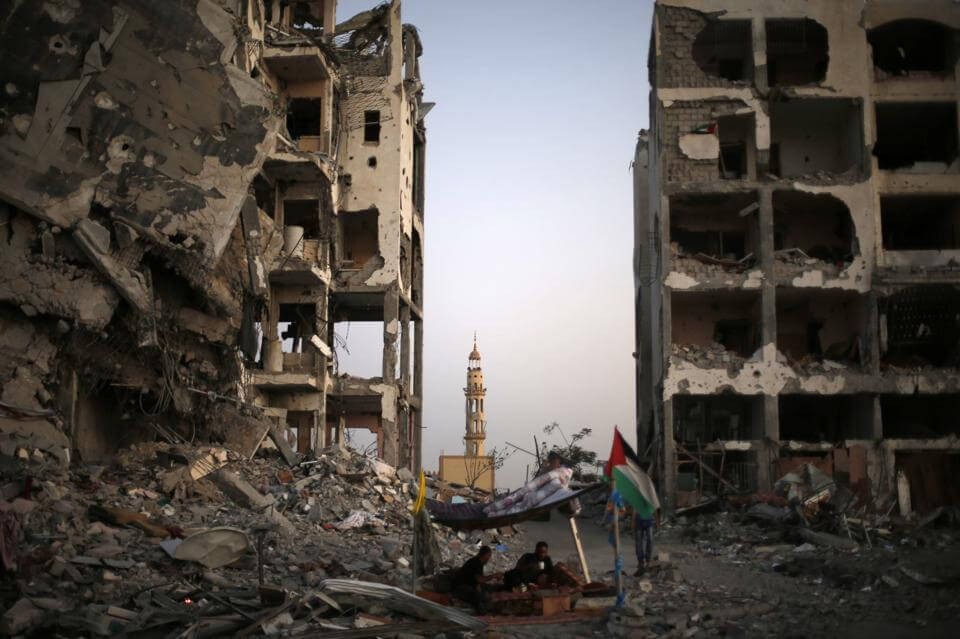
On Friday night, Mazen Fuqaha, a senior leader of Hamas’ military wing, the al-Qassam Brigades was gunned down in the Tell al-Hama neighborhood. Gaza’s ministry of interior said in a statement the weapon was a pistol with a silencer, a sure sign of a professional hit and a first in Gaza since Israeli forces withdrew from the Strip. Ahmed Alnouq writes Palestinians in Gaza are wondering if another war is about to break out between Hamas and Israel after two months of an uptick in tensions. Salwa, a law student at Al-Azhar University said she fears war is indeed at Gaza’s door, “I wish I will die before it starts. During war, I psychologically die many times a day.”
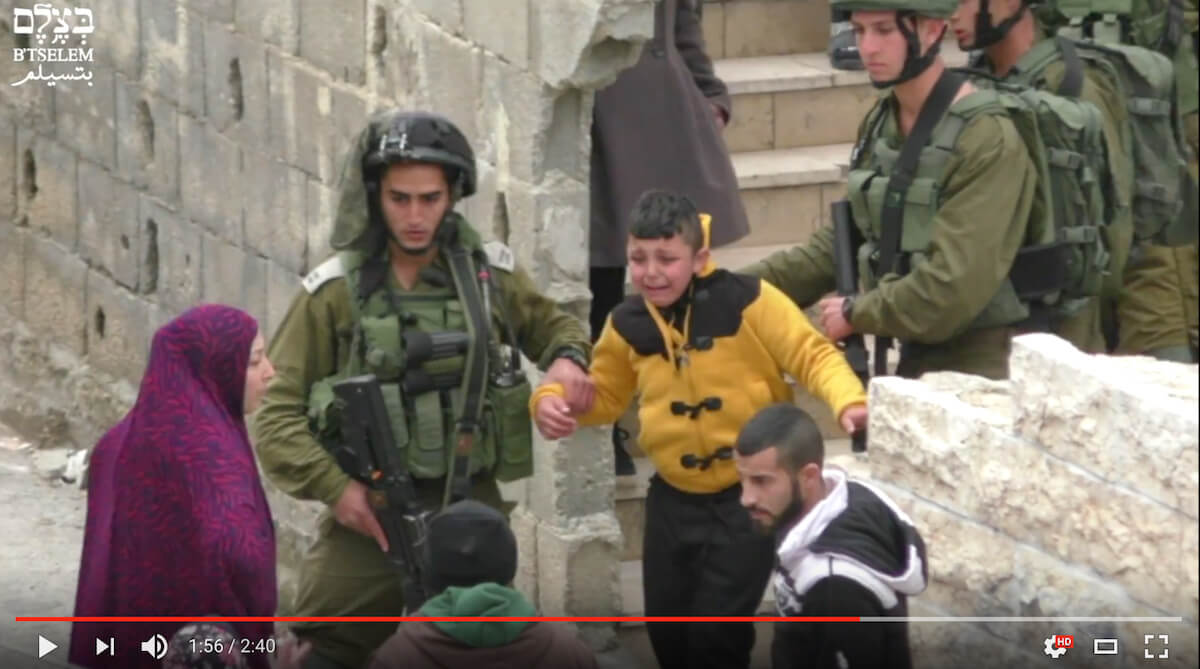
Palestinian activists on Sunday filmed Israeli forces dragging 8-year-old Sufian Abu Hitah through the al-Harika neighborhood of Hebron in the occupied West Bank for more than hour. The video, received and edited by Israeli rights group B’Tselem, shows the boy crying and barefoot, being pulled by his arm by Israeli forces as they tried to get the boy to identify other children who soldiers suspected of throwing rocks and Molotov cocktails at the nearby illegal Israeli settlement of Kiryat Arba earlier that day.

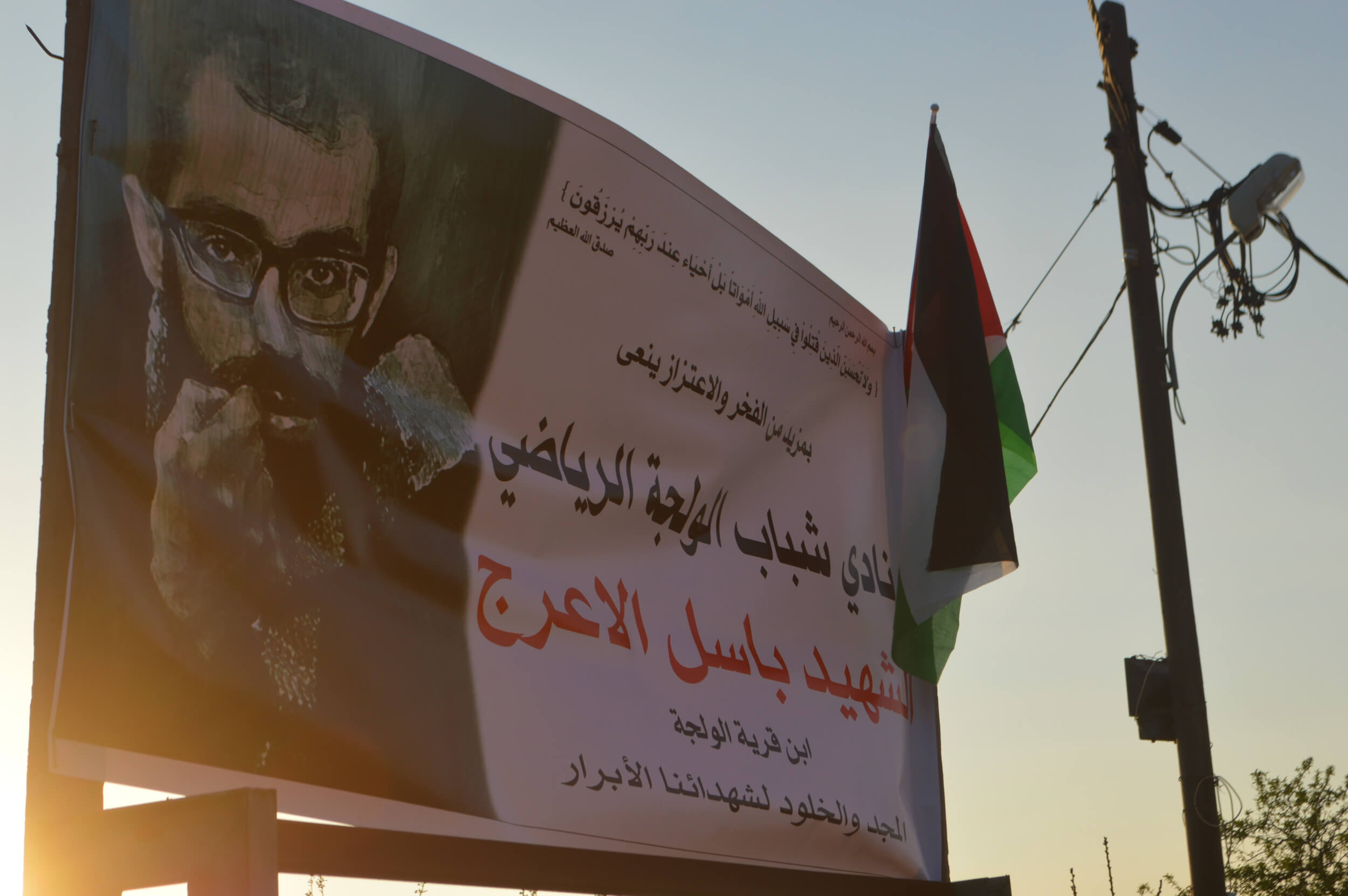
Around 2,000 mourners marched on Friday in the Bethlehem-area village of al-Walaja for the funeral of slain Basil al-Araj, 36, who was slain by Israeli forces March 6. Al-Araj’s ideology against normalization and security coordination is popular among leftist Palestinian youth. His success in eluding Israeli forces for six months, and then refusal to surrender when he was found, only made his ideas more popular.

Mahmoud al-Araj, the father of slain Basil al-Araj, left his home on Sunday expecting to take part in a peaceful demonstration outside a courthouse in Ramallah where a judge officially dropped an investigation into his son. He ended up in the hospital after getting caught in the middle of a chaotic crackdown by Palestinian Authority (PA) forces wielding heavy batons, and shooting pepper spray and tear gas at Palestinians protesting the death of Basil, the imprisonment of his five friends and the court’s decision to pursue charges against them for allegedly storing illegal weapons.

On March 8, women in Gaza marked International Women’s Day along with their counterparts in the countries across the globe. But in Gaza, International Women’s Day is less of a celebration and more of a harsh and painful reminder of three wars in the last decade, and years of siege. Laila Qarmout, 57, a member of the General Union of Palestinian Women said: “Women are indoctrinated from the age of five to see ourselves as less than our brothers or less than our husbands. Despite this, we have struggled a lot against the world’s only long-running occupation. Women know too well the iniquity of repression.”

On his second long-term hunger strike in the past year, Palestinian journalist Mohammed al-Qiq’s health is deteriorating faster than anyone expected, leaving his family to plea for support before it is too late. “If Mohammed were to quit his hunger strike now, the first one that almost killed him would be for nothing, so he feels he must continue his strike—not just for himself, but for all the other Palestinian prisoners on strike against their administrative detention as well — they must stay strong together,” Fayha Salash, Mohammed’s wife, tells Mondoweiss.

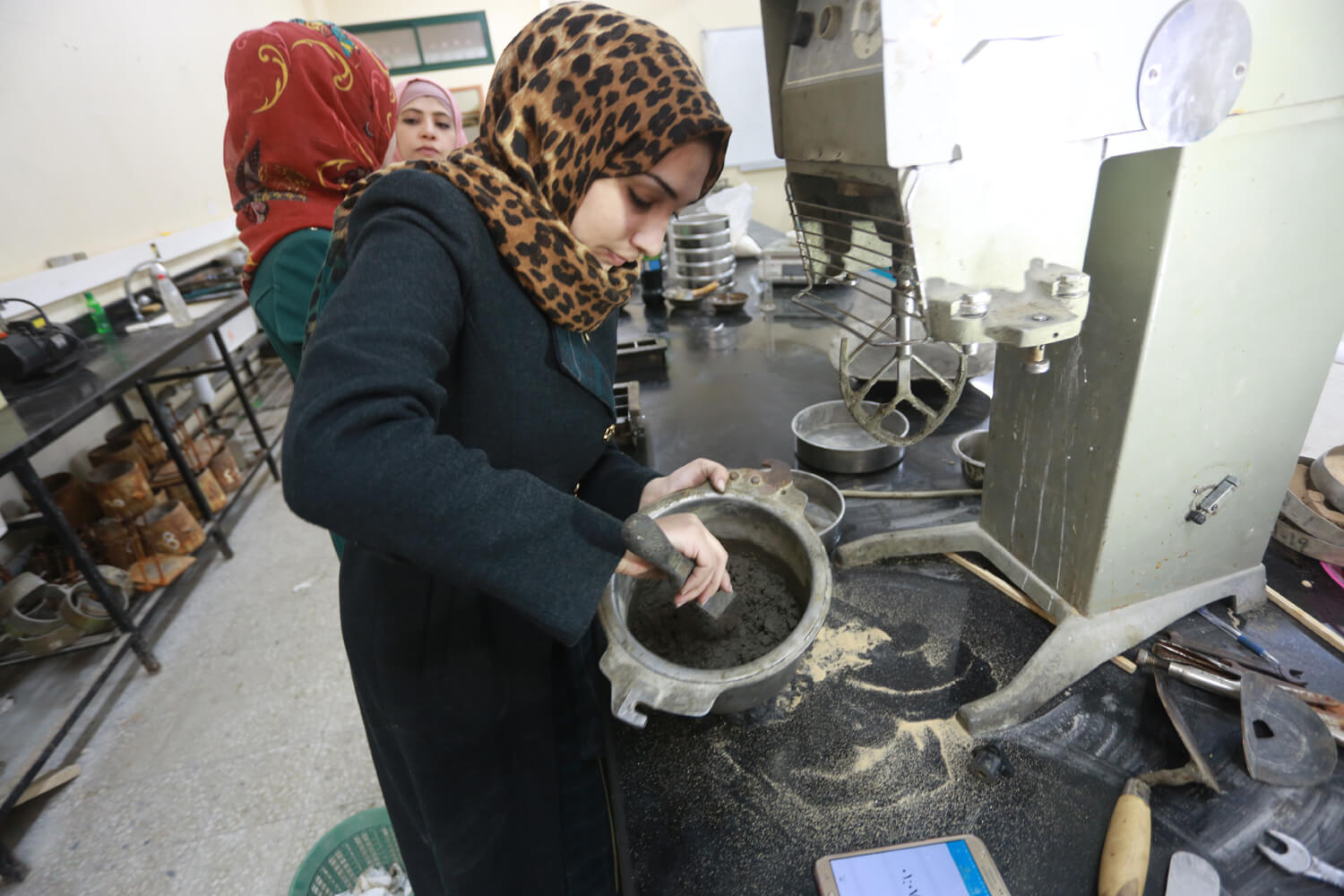
An all-female team of engineers in Gaza have invented an affordable new way to produce concrete, made from the leftover rubble of homes destroyed during the last war in Gaza. The women aspire to create a needed alternative to the expensive and time-consuming process of importing construction materials into Gaza by relying mostly on recycled materials.

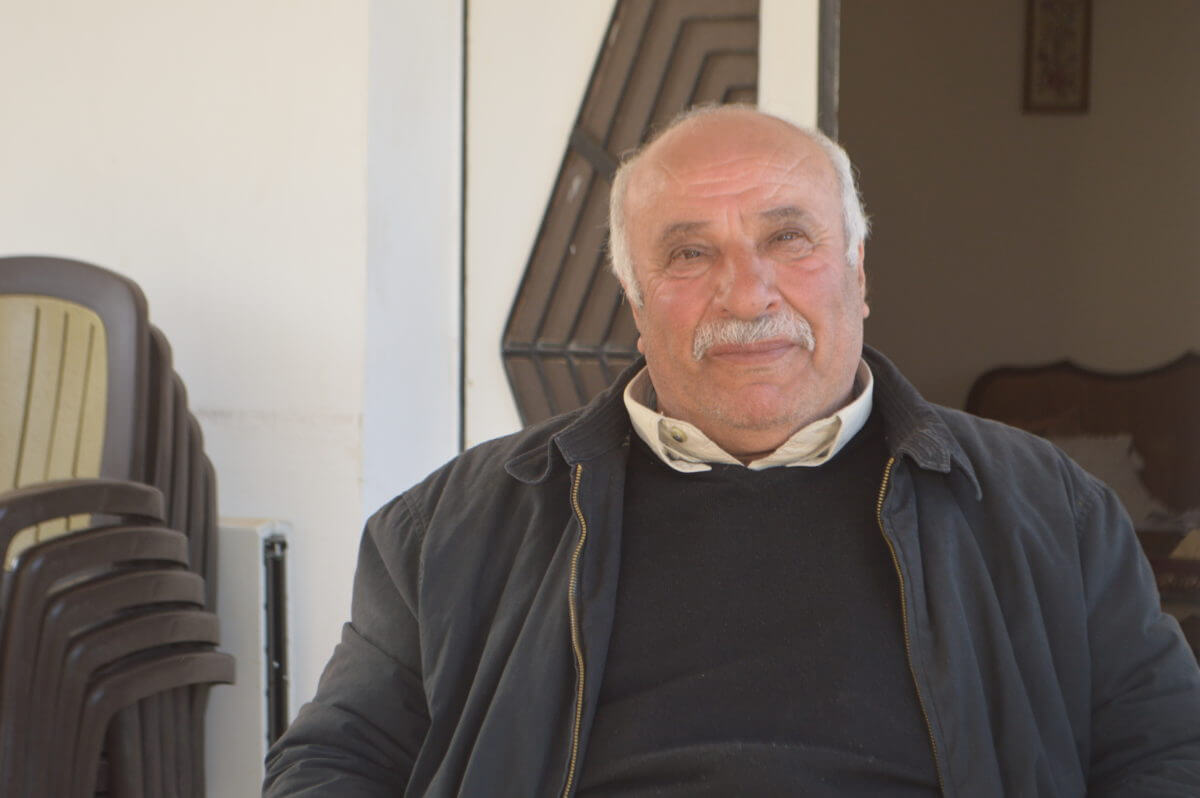
Fathy Shebana’s family has lived in Sinjil, a rural village between Ramallah and Nablus for as long as any of them can remember. Today, much of their land is gone, annexed by Israel for illegal settlements. Since Israel passed a new law retroactively legalizing at least a dozen settlement outposts built on private Palestinian land, Fathy and his community fear even more for the future of their land and livelihoods.

Hundreds of Palestinians gathered at the Rafah border crossing between Gaza and Egypt over the weekend, waiting for their turn to be let through the checkpoint. The three-day opening allowed medical patients, students, and travelers with foreign passports to cross. With huge numbers of Palestinians desperate to leave Gaza, travelers typically pay an exorbitant amount of money to local brokers who coordinate their passage with Egyptian authorities. It’s been reported previously that Egyptian authorities ask for bribes of up to $10,000. Mondoweiss spoke with some hopeful travelers about their experience trying to get across the border from Gaza to Egypt while they waited in line.