Palestinian activists of the First Intifada believed they would succeed in achieving their national rights. “Our leadership was aligned with our demands and suffered alongside us,” Nadia Naser-Najjab recalls. “There was no elite class benefiting from the colonial power.” She says Palestinian leadership must challenge colonialism, not cooperate with it.
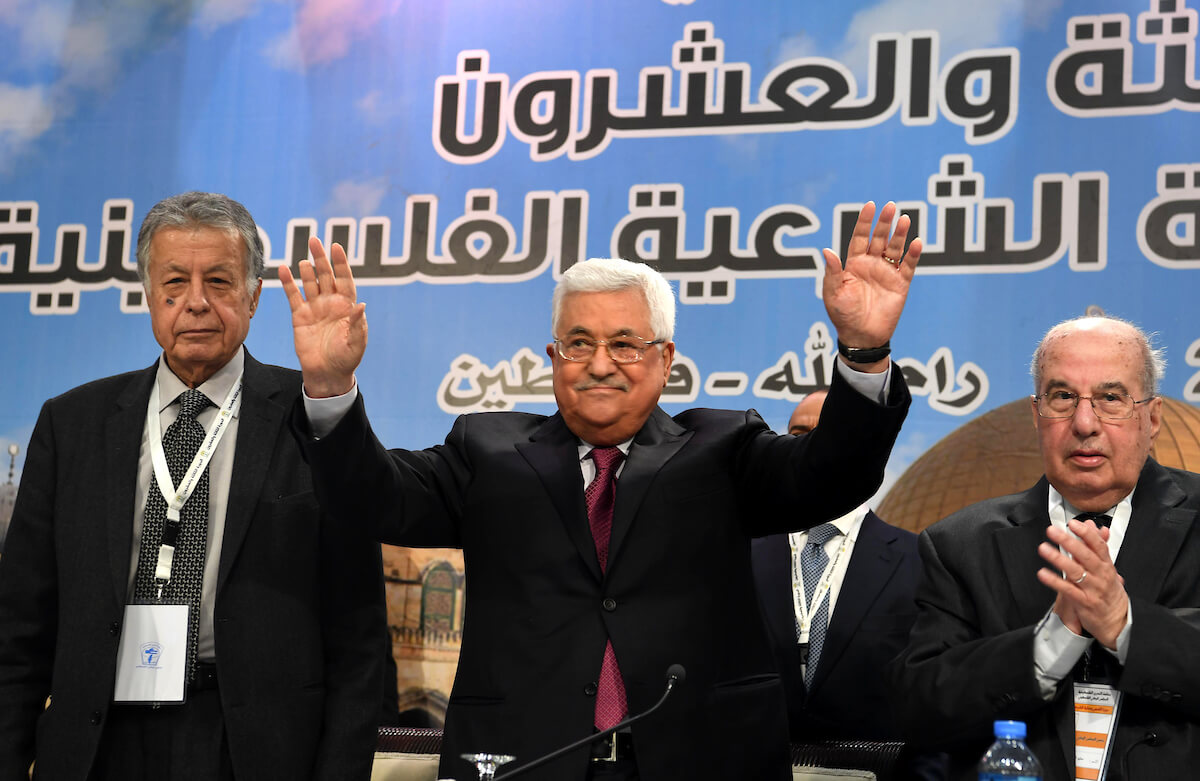
Nadia Naser-Najjab writes that Mahmoud Abbas’s widely criticized speech on April 30th, that has since become known as his “anti-Semitic speech,” simply served to underline his own political irrelevance.
Are the moves by Fatah and Hamas towards new elections and a unity government a genuine push for strengthened Palestinian governance, or simply a strategy by faltering politicians to stay in power?
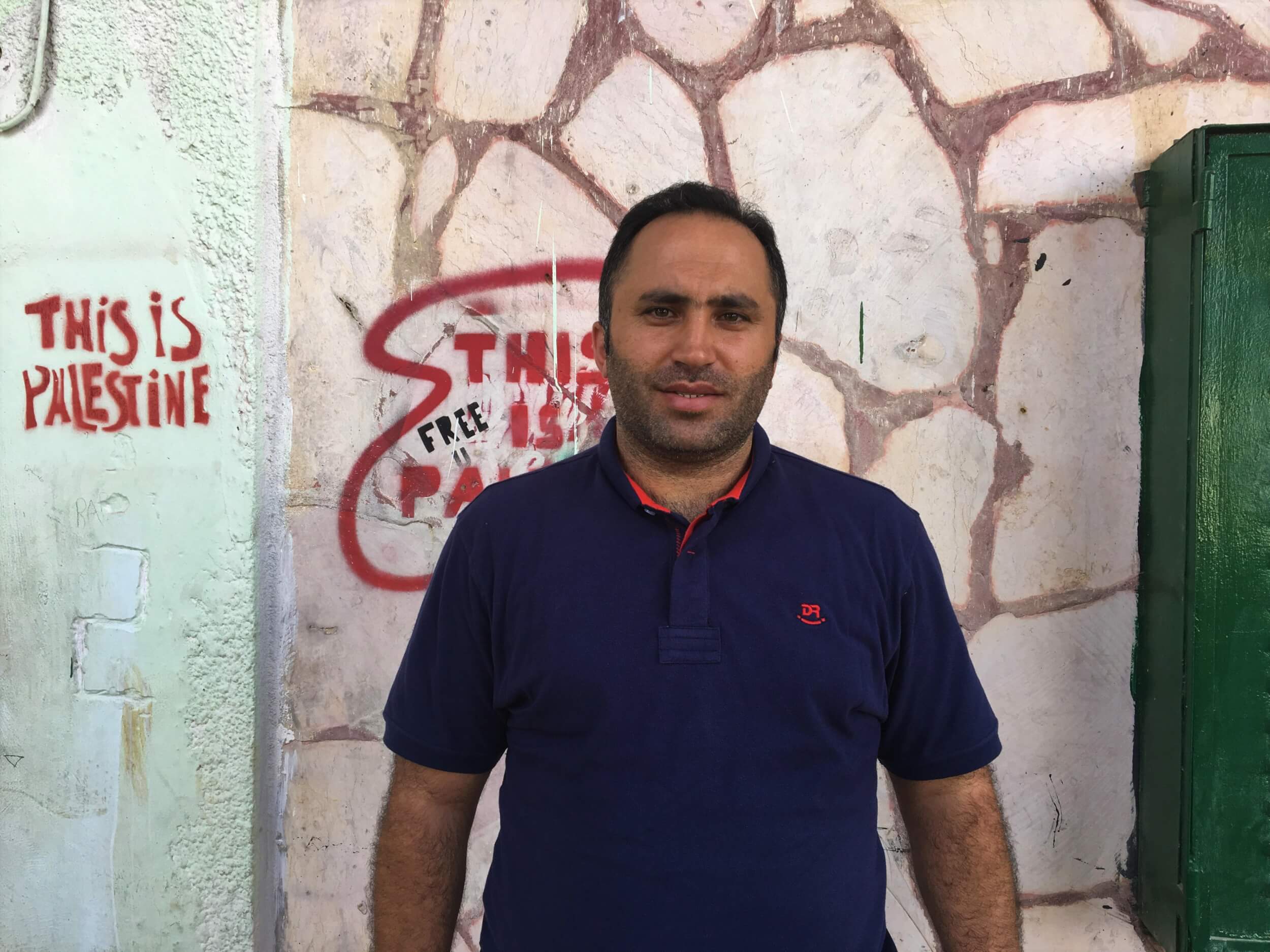
Sheren Khalel reports: Released from prison a week ago, Issa Amro has jumped right back into work. At a small house atop a hill in the Tel Rumeida neighborhood of Hebron he sat gathered in a circle with activists, NGO workers, a lawyer and friends sipping coffee under the shade of trees in the front courtyard of the home. The topic, as usual, was the Israeli occupation — however Amro was not released from Israeli custody last week, but rather the Palestinian Authority’s, and he was not arrested for his activism in Hebron, but rather a Facebook post defending a man who criticized the Palestinian leadership.
“The Palestinian Authority, a historically toothless government operating within the confines of Israeli control and authority in the entirety of historic Palestine, may not be long for the world,” writes Luke Peterson, “But change may well be in the air as regards the stultified and ineffective government. Public confidence in the integrity and efficacy of the Palestinian Authority amongst the Palestinians in the West Bank is at an all-time low and faith in the ability (or even desire) of PA officials to steer Palestine into an improved economic and political future is all but nonexistent. Years of bureaucratic bloat, nepotistic policy, and corruption have turned Palestinians against their elected leadership. Harsh crackdowns on free speech (to include the policing of social media sites), the enrichment of the elites at the expense of the public good, and complicity in Israeli occupation policies are to blame. As a result, references to ‘Palestinian Democracy’ are laughed off by the public at large.”
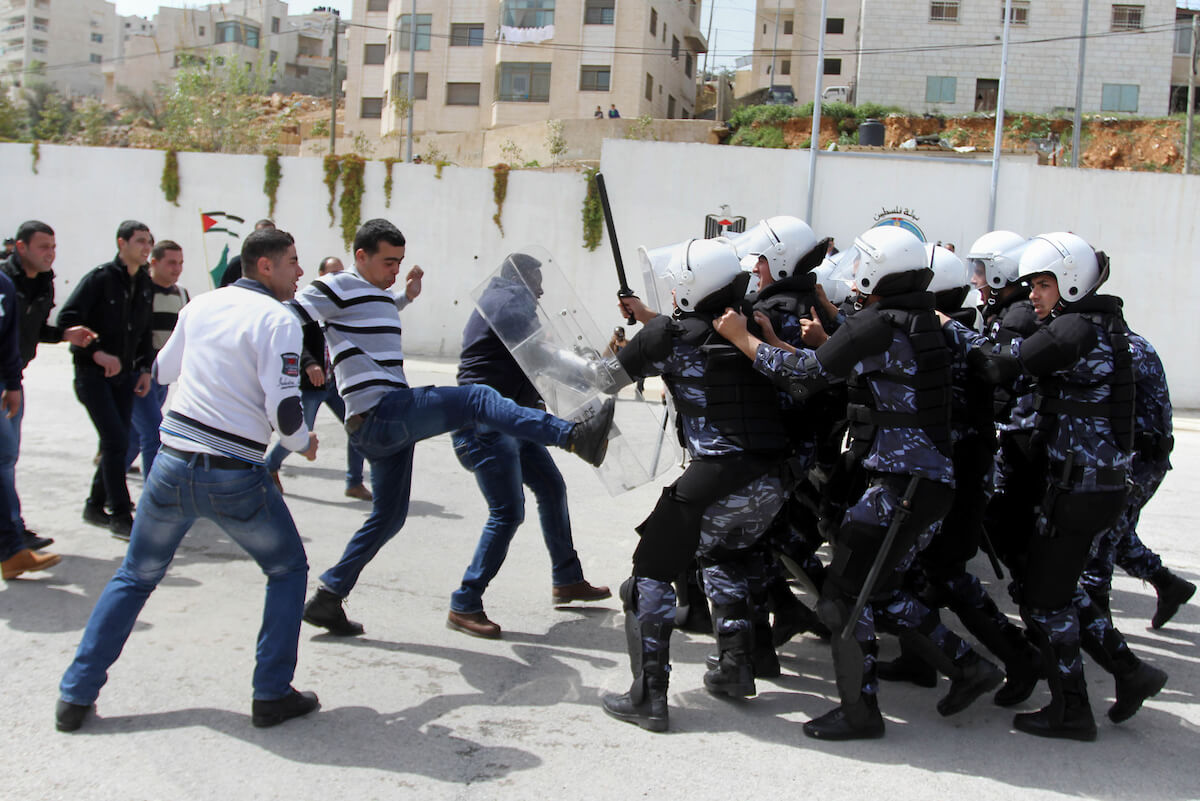
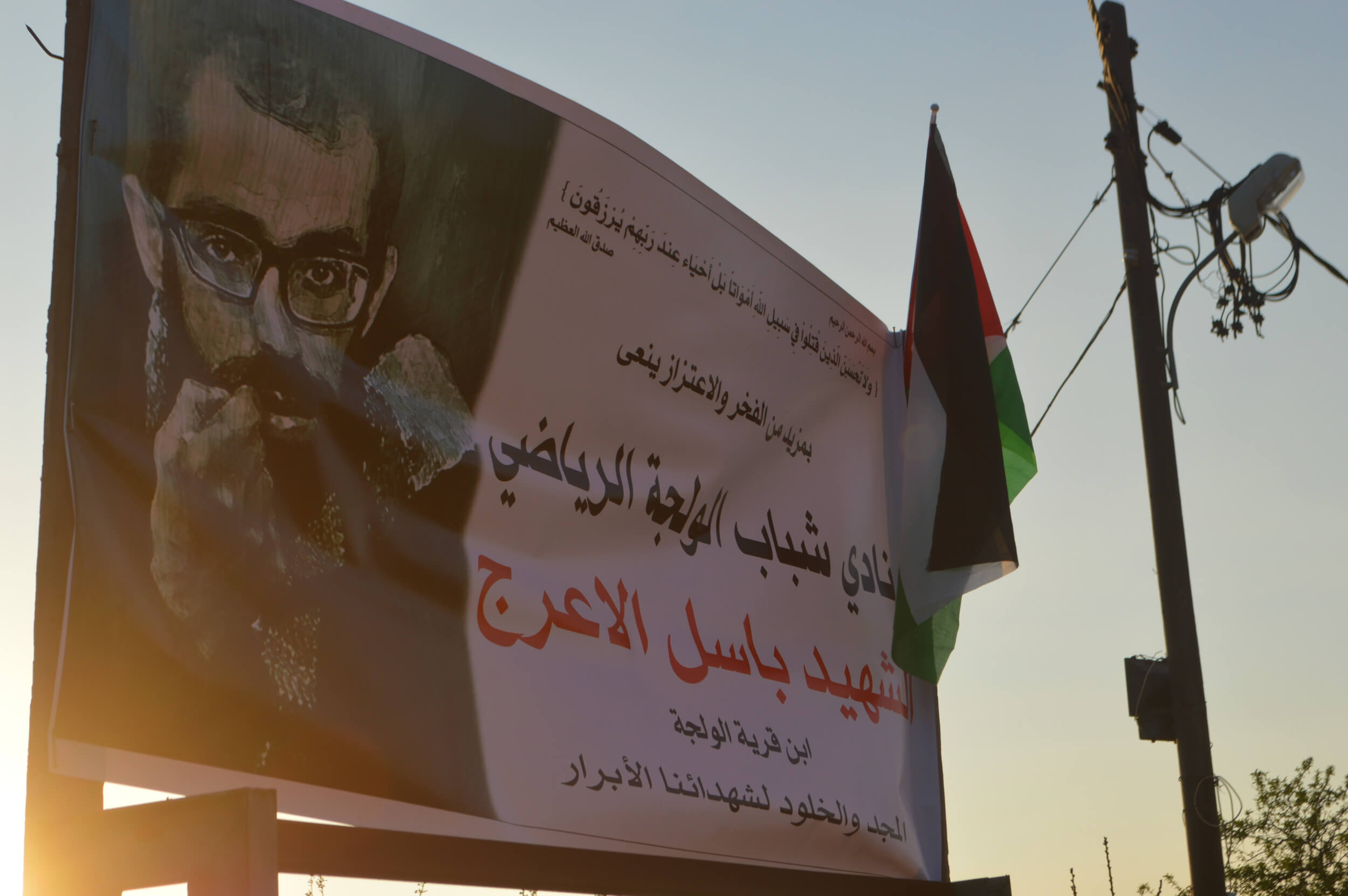
Mahmoud al-Araj, the father of slain Basil al-Araj, left his home on Sunday expecting to take part in a peaceful demonstration outside a courthouse in Ramallah where a judge officially dropped an investigation into his son. He ended up in the hospital after getting caught in the middle of a chaotic crackdown by Palestinian Authority (PA) forces wielding heavy batons, and shooting pepper spray and tear gas at Palestinians protesting the death of Basil, the imprisonment of his five friends and the court’s decision to pursue charges against them for allegedly storing illegal weapons.
Fatah and Hamas reached consensus in July to hold municipal elections on October 8th. The agreement came about amid reconciliation efforts aimed at ending internal Palestinian political divisions. Hani el-Massri, a Palestinian political analyst based in Gaza, believes this election cycle is the last best chance to settle the division.
Pronouncement by Netanyahu and cabinet on Israeli right to enter Area A shows Israel has abandoned two state program for a “one-state, two systems… apartheid” arrangement, Saeb Erekat of the PLO says
The detention by Palestinian Authority security forces of three Palestinians who allegedly planned to carry out an attack inside Israel this week brought renewed public criticism of the PA amid a slew of political disputes. The PA finds itself pitted between a need to appease the Israeli authorities through security coordination and the mass upheaval such coordination brings among political rivals and the wider public.
The Palestinian Authority has announced it will seek a United Nations Security Council (UNSC) Resolution calling for an end of the Israeli occupation within a specific time period. The draft legislation gives Israel two years to remove its forces from lands occupied in June 1967 and reaffirms per-existing agreements for a framework of negotiations, said Ashraf Khatib a spokesperson for the Palestinian Liberation Organization (PLO) Negotiations Affairs Department via telephone to Mondoweiss. While the resolution makes no explicit mention of land swamps, it does support previous accords where the PLO granted Israel the possibility of territorial exchanges where up to 60% of settlers could remain in the West Bank.