As countries around the world recognize a Palestinian state, Israel is doing everything it can to prevent the possibility of any future state. One way it plans on doing that is through financial strangulation.
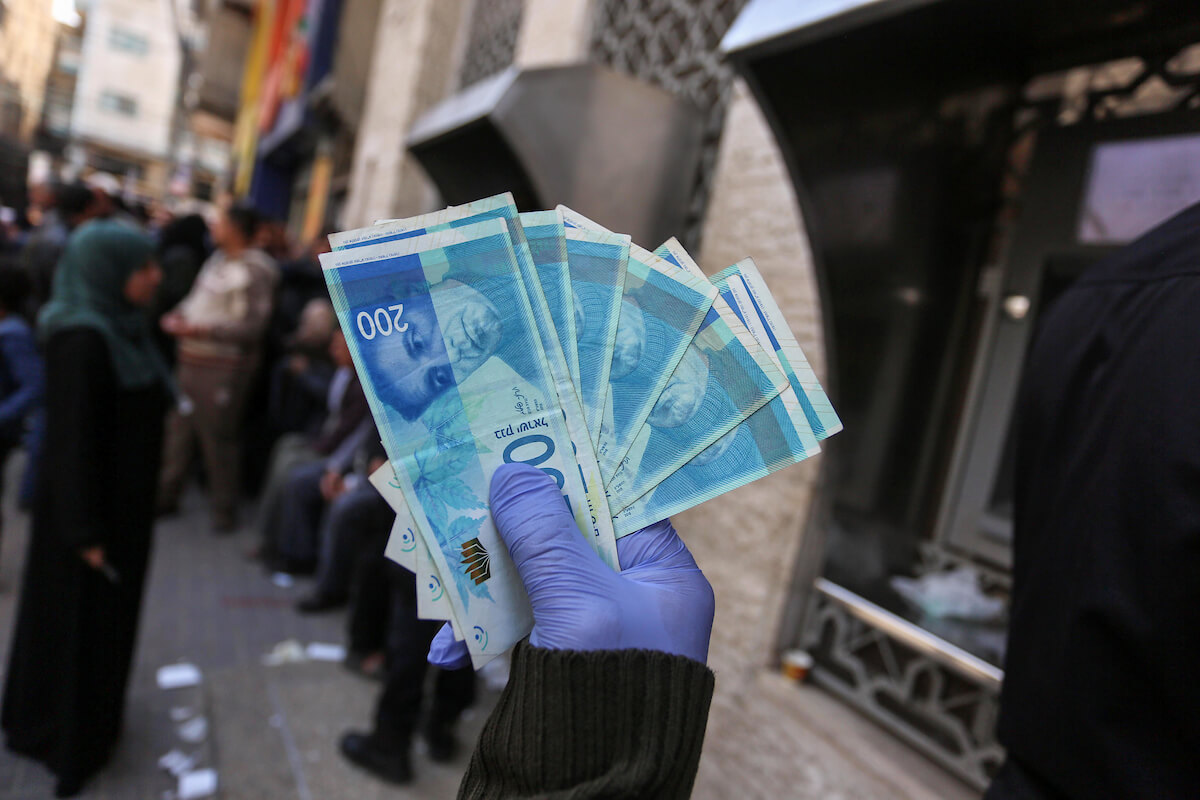

As countries around the world recognize a Palestinian state, Israel is doing everything it can to prevent the possibility of any future state. One way it plans on doing that is through financial strangulation.
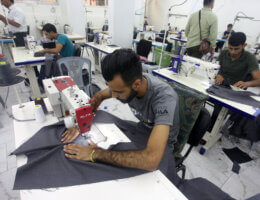
The Hamas government has imposed a tax on imported clothing in a bid to support local industries. In the meantime, this has caused the prices of clothing to soar, leaving families in Gaza in the difficult position of choosing whether the should buy food or clothing for their children.
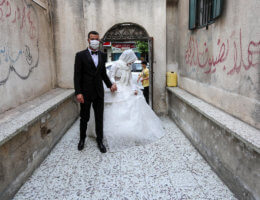
The Gaza Strip has one of the highest unemployment rates in the world – more than 50% – and an exceptionally young population. As more young people fall in love under the blockade, couples are turning to loan agencies to get married, and falling into crippling debt in the process.

The COVID-19 pandemic devastated the Palestinian handicraft industry by cutting off tourism. In the face of this hardship some artisans have managed to stay afloat due in part to one relentless Ramallah-based marketplace: Handmade Palestine.
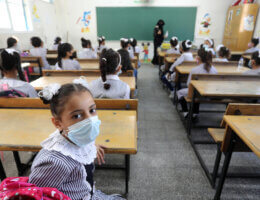
“As perceived by the children, economic conditions had the most influence on their ability to stay in school,” a new report from Al Mezan says.
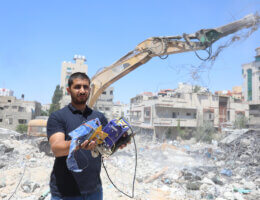
Small business owners in Gaza grapple with mounting debts and no means of income, after their enterprises were destroyed in the escalation with Israel last May.
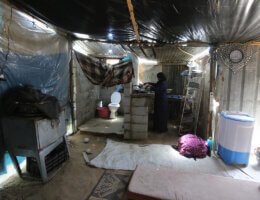
2020 was the worst year for the Palestinian economy since 1995, and the pandemic is only part of the picture. Settler violence peaked, and Gaza’s economy was already years into a massive contraction.
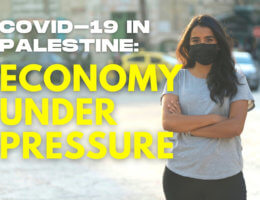
Like the rest of the world, Palestine has been hit hard with the coronavirus. The city of Bethlehem in particular has perhaps been impacted the most by the pandemic. At any given time of year the streets of Bethlehem’s Old City are filled with tourists from all over the world, but now shops have been closed and the streets are empty. According to local experts, short-term losses as a result of COVID-19 have reached up to 500 million dollars in Bethlehem alone, and people here are wondering if life will ever return back to normal.

This week, the United Nations attempted to put a figure on exactly how much the occupation was costing the Palestinian economy. The number it arrived at — an estimated $48 billion between 2000 and 2017 — was larger than many expected.

In Gaza, failing to pay a personal or bank loan is punishable by a maximum 91-day prison sentence. With the economy plummeting, more and more Palestinians are winding up in prison for loans taken out to cover household expenses and modest rents– 90,000 last year, by one report.