Israel resumed its genocidal war on Gaza by cutting off water and electricity to 2.1 million Palestinians, threatening a humanitarian disaster.


Israel resumed its genocidal war on Gaza by cutting off water and electricity to 2.1 million Palestinians, threatening a humanitarian disaster.
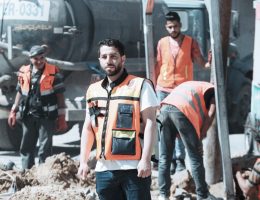
I am in charge of waste management in Gaza City. The Israeli occupation has launched a war on our sanitation facilities and waste management systems, creating an environmental and health crisis that will take years to recover from.

Sewage water is flowing in most of the streets of the Gaza Strip. Mountains of…
Israel’s genocidal assault on Gaza brought a polio epidemic to the besieged enclave. Palestinian public health expert Yara Asi explains what this latest development could mean for public health in Gaza and the world.
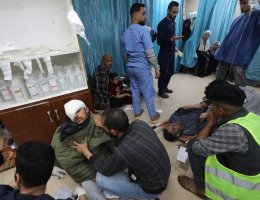
By almost every measure, Gaza represents one of the greatest man-made public health catastrophes of our age. As public health professionals, it is our duty to speak out about the genocide in Gaza. Our public health colleagues should do the same.

Due to the Israeli occupation, the inability for Palestinians to deploy medical resources as needed; to properly organize the population per the requirements of social distancing and rational quarantine; and to properly track and test people, will predictably result in excess serious illness and death, above and beyond what might occur in a less obstructed scenario.

“The night is filled with the anxiety that any interaction with Israeli security triggers. We leave all of our suspicious material on Palestine, human rights, and any evidence of an interest in justice in an extra bag in Amman to retrieve on our return, and arrive at Allenby Bridge at 7:30 am.” — Alice Rothchild on entering Palestine from Jordan.
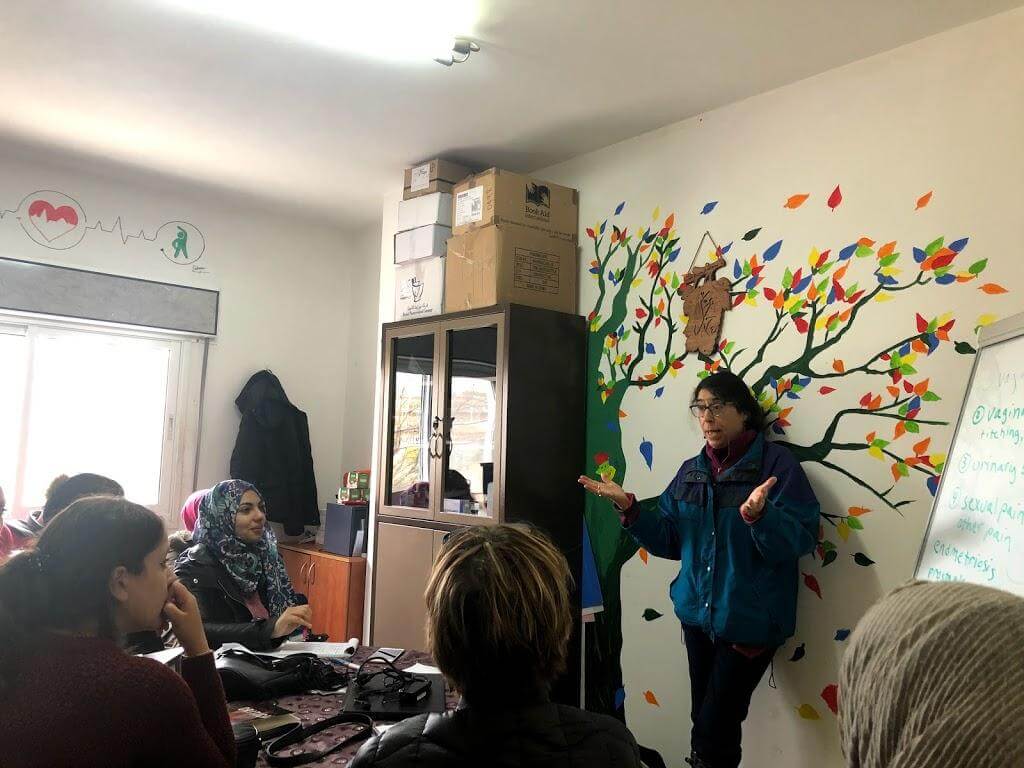
At a session on reproductive health at Aida refugee camp in Palestine, a community health worker asks, “In our political condition, men in prison get their sperm out, illegally, to women. What is the best condition for the sperm to be in?” Alice Rothchild, a visiting doctor, tries to imagine the conditions and desperation that lead to this practice.

The UN warns Gaza is showing early warning signs of a coming “unprecedented” humanitarian crisis, Israel is still mulling the death penalty, and the World Health Organization examines Palestinians rights to health under the Israeli occupation in this edition of JVP’s month health advisory.

The Israeli occupation is the chief structural barrier to quality healthcare for Palestinians—it has exacerbated existing inequities in the population and has given rise to a host of issues unique to this devastating political reality. The structural aspects of the occupation —political, economic, and social— collectively mitigate access to quality health care for Palestinians in Gaza, the West Bank, and Jerusalem. Healthcare is not just measured in mortality statistics or disease prevalence. National health systems are highly influenced by the political climate surrounding them, and as Norwegian physician and activist Mads Gilbert puts it, “Medicine and politics are Siamese twins.”