For Palestinians in Gaza, this Eid was supposed to be a symbol of resilience and hope after months of war. But Israel’s renewed attack, which broke the ceasefire, has crushed even our smallest dreams.


For Palestinians in Gaza, this Eid was supposed to be a symbol of resilience and hope after months of war. But Israel’s renewed attack, which broke the ceasefire, has crushed even our smallest dreams.

Driving through Gaza for the first time since the war started, nothing was recognizable anymore. But Gaza was still there, making me realize that it was stronger than the war. It will still be there once the darkness passes.

Israel resumed its genocidal war on Gaza by cutting off water and electricity to 2.1 million Palestinians, threatening a humanitarian disaster.

When I ask my family members in Gaza how they’re spending Ramadan this year, they answer it’s just like any other month of deprivation in the past year and a half of genocide.
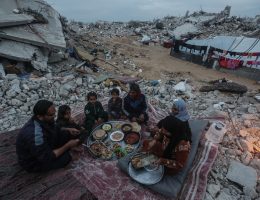
For families who lost loved ones, Ramadan is a seat left empty at the Iftar table, and the unbearable weight of being the ones left behind.
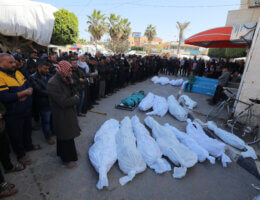
Israeli forces bombed Gaza on the first day of Ramadan, killing two fishermen. Israel’s fortified highway has reached the Mediterranean coast, effectively splitting Gaza in two. Meanwhile, hundreds of settlers stormed the al-Aqsa Mosque compound.
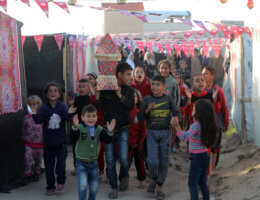
Israel is preparing itself and its prisons for the arrest of thousands of Palestinians, Netanyahu says. Meanwhile, Israel has already begun obstructing access to the Al-Aqsa mosque in Jerusalem, attacking worshipers on the first night of Ramadan.
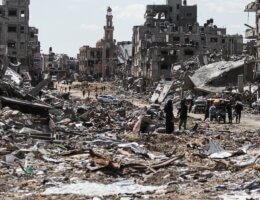
Ceasefire talks falter as Izz El-Din Al-Qassam Brigades spokesperson says Israel is using “deception and evasion.” Israel deploys thousands of troops in the West Bank and Jerusalem ahead of plans to restrict access to Al-Aqsa Mosque during Ramadan.
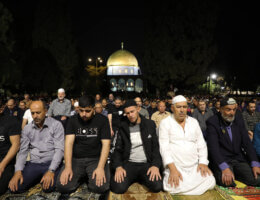
Israel is taking advantage of the war on Gaza to exert control over the al-Aqsa Mosque compound and prevent Palestinians from visiting. With the month of Ramadan set to start, Israeli authorities intend to tighten restrictions even further.
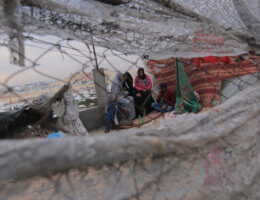
As Israel’s impending ground invasion of Rafah looms without a ceasefire agreement in sight, the 1.5 million people crammed into Gaza’s southernmost city fear that they will spend Ramadan under Israeli fire.