If one wonders how the nickels, dimes, and dollars collected in churches across the U.S. shape politics in Congress and Israel, director Maya Zinshtein’s film, ‘Til Kingdom Come, is required viewing.


If one wonders how the nickels, dimes, and dollars collected in churches across the U.S. shape politics in Congress and Israel, director Maya Zinshtein’s film, ‘Til Kingdom Come, is required viewing.
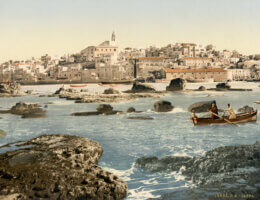
Vera Tamari’s intimate story of her family’s life before 1948 allows us to dream of how life might have been in Palestine if the Nakba had never happened.
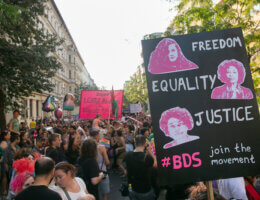
Nada Elia’s new book transports us across the globe to center women and queer peoples’ position in joint struggle and imagines a new future for Palestinian resistance.

Adel Manna’s new history of what happened to the Palestinians who remained in what would become the Israeli state after the 1948 helps us understand how the Nakba was made of many personal Nakbas.

Adania Shibli’s spare and haunting novel charts two lines, the shift in consciousness between the Nakba era and contemporary times, but also the trajectory that remains constant: racist violence.
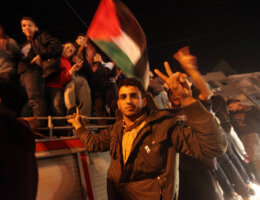
“Light in Gaza: Writings out of Fire” is a hopeful gift from Gaza, reminding us that all of Israel’s power has not, and will not, defeat the Palestinian will to rise and the determination to create a new society where all can thrive.

Suad Amiry’s new novel takes us into the intimate lives of its Palestinian protagonists before 1948, offering a fresh take on the Nakba’s tumultuous events and the decades that followed it.

Through recounting his own spectacular life, Dr. Shawki Harb’s memoir, “A Surgeon Under Israeli Occupation,” depicts Palestinian reality from the British Mandate to today.

While the Netflix film has elicited hysteria from Israel apologists, the events of “Farha” are not only historically accurate, but actually mild in comparison to other Zionist atrocities in 1948.
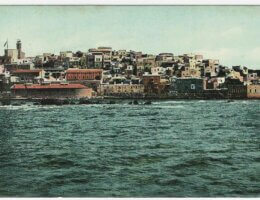
Suad Amiry’s “Mother of Strangers” is an important book that tells the story of Jaffa and the Nakba. Through sharing the trauma, grief, and creative resilience of the Palestinian people the book also shows why so many embrace the Palestinian cause.