In Lebanon, one of the countries that has been most burdened by the Syrian refugee crisis, public schools are strained to the limits. Schooldays operate on a two-shift schedule—the first half of the day is for Lebanese children (and some Syrians if space permits), and the second half is for Syrian children. Still, half of all Syrian refugee children in Lebanon don’t go to school at all.
Russia intervened in Syria to prevent ISIS from toppling the Assad government, John Kerry said on a leaked tape. And the US watched ISIS rise and thought “we could probably manage.” Without meaning to, Kerry made the case against US intervention in the war.
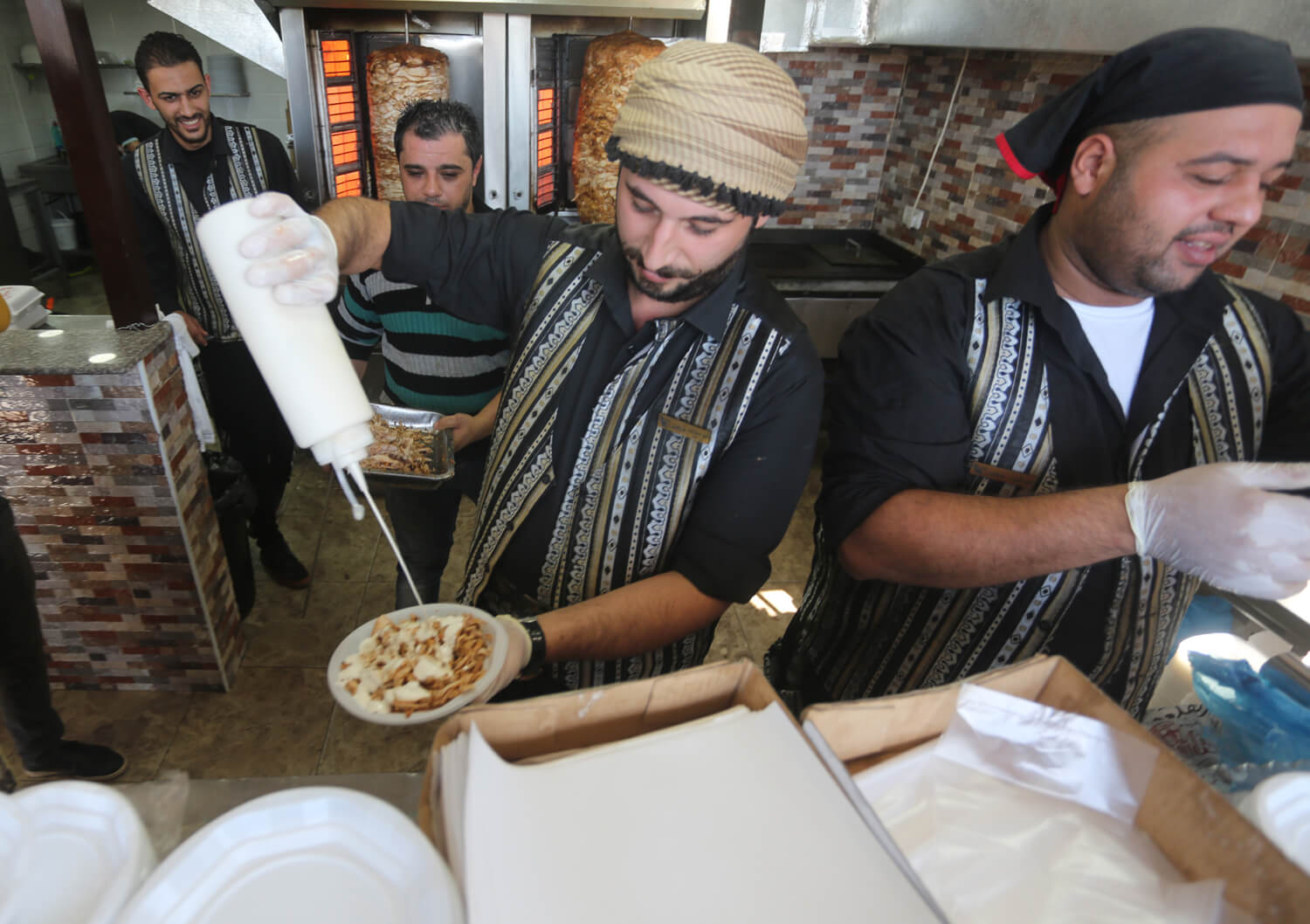
“If death is my fate, I will die even in Copenhagen. Gaza is relatively safe and a more simple place to live,” says Aleppo chef Anas Qatarji, who fled war-torn Syria for the besieged Gaza Strip and moved his destroyed restaurant with him.
The foreign policy elite in Washington seems to be united on imposing a no-fly zone over Syria. But two veterans with hundreds of combat missions between them contend that Assad’s anti-aircraft capabilities are far too robust to permit such an intervention without significant losses and billions in expenditures.
A new book by New York Times reporter Robert Worth does not say what U.S. policymakers should do about Syria. But he shows how violence promotes sectarianism and lasting bitterness; and it is hard to see how he would then advocate more violence as any kind of answer.
Advocates for U.S. escalation in Syria will make a bad situation worse, warns George Washington University Professor Marc Lynch; and President Obama’s resistance to increased intervention may be reversed by his successor.
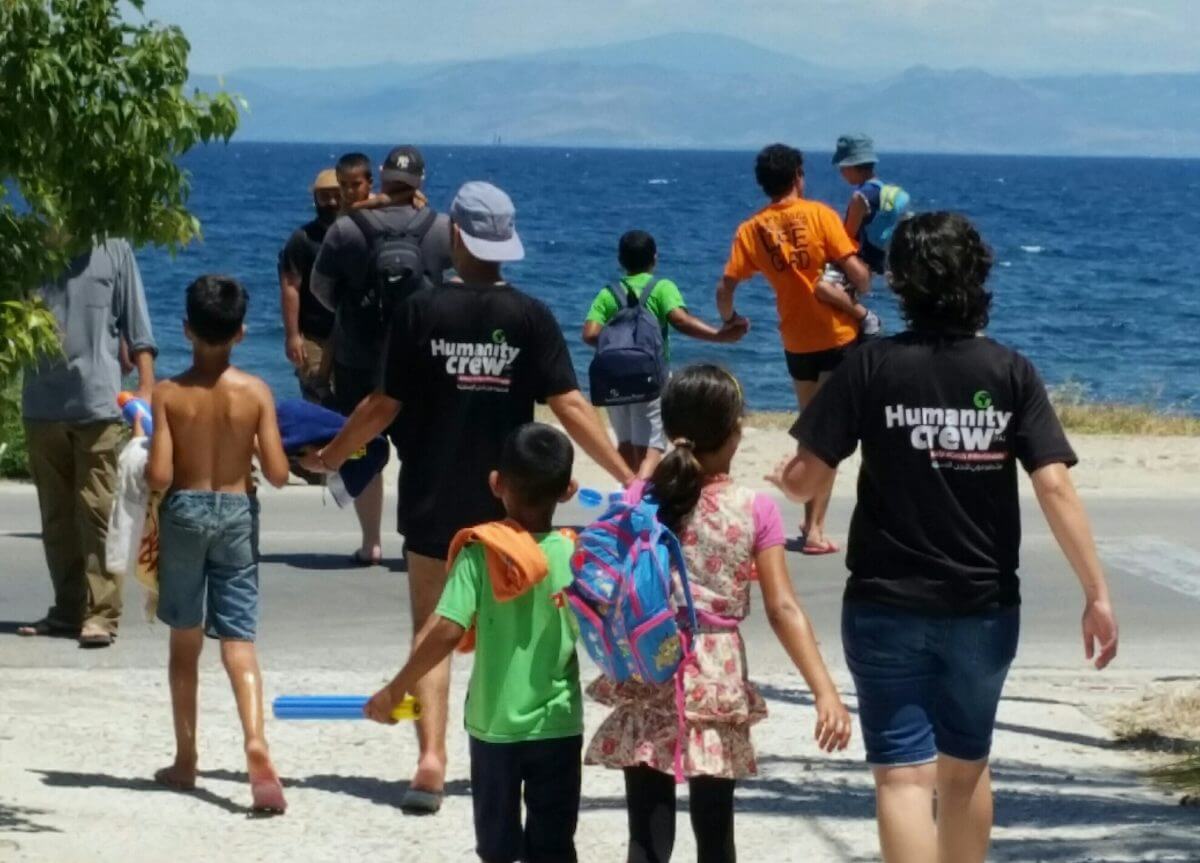
Millions of refugees are fleeing war and risking their lives on unequipped boats to reach European shores. In response, volunteers from all of the world are offering their aid and support to the biggest global displacement crisis since the Second World War, and Palestinians are no exception. Michaela Whitton talks with members of Humanity Crew, a Palestinian-led humanitarian organization at the forefront of the crisis.
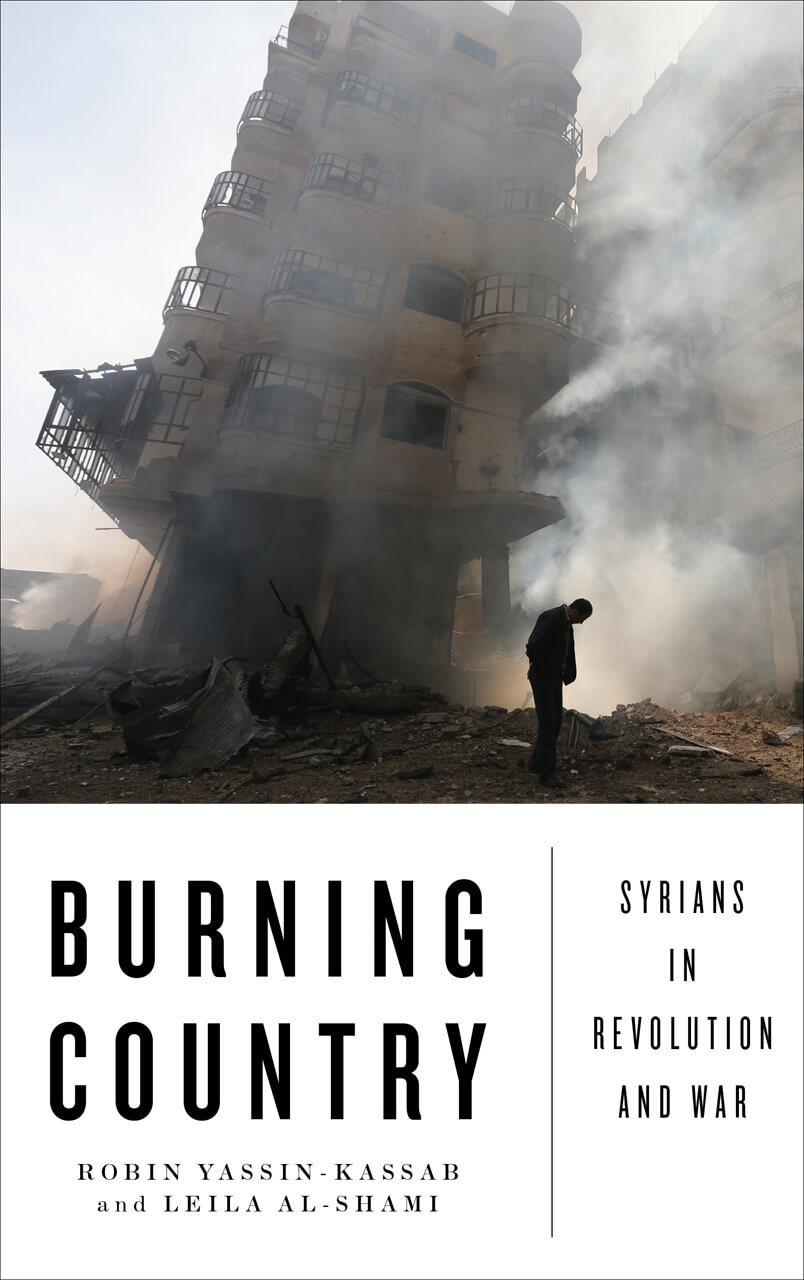
Read an an excerpt from the new book ‘Burning Country: Syrians in Revolution and War’ by Robin Yassin-Kassab and Leila Al-Shami. The book tells the story of how Syrians took to the streets in 2011 to demand the overthrow of Bashar al-Assad’s regime, and the political and humanitarian nightmare still unfolding today. This excerpt explores how the regime responded with overwhelming violence to the initial non-violent protests, and the choices facing grassroots activists as the revolution militarized.
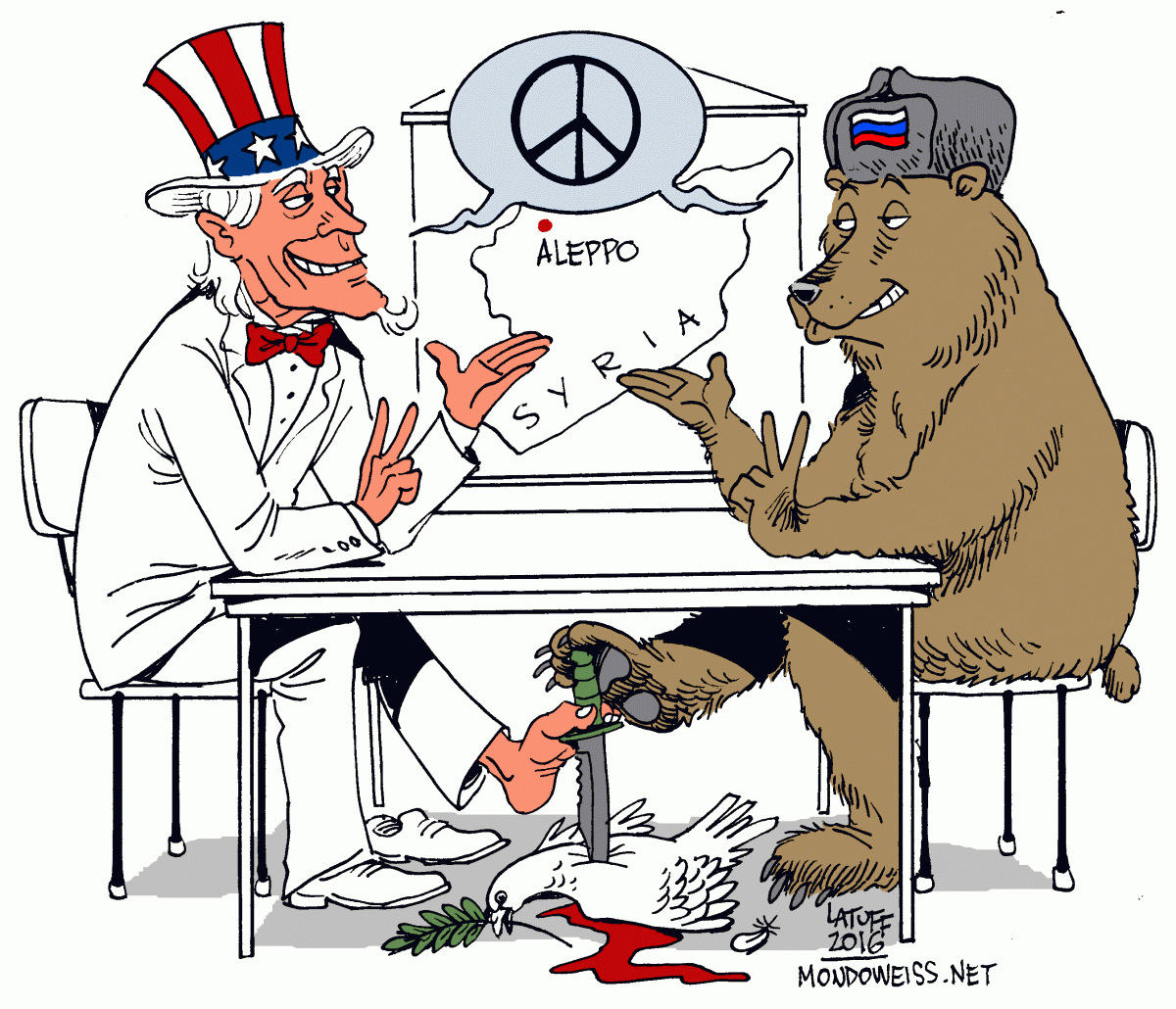
As American and Russian negotiators discuss a cease fire in Syria, both countries are supporting forces carrying out atrocities in the county.
Jeff Klein reports on the horrific devastation left in the wake of the ISIS occupation of the world-famous ancient city of Palmyra and the neighboring Syrian town of Tadmor. He traveled there with a delegation that was the very first group of international civilians to view the site in the aftermath of the battle that took place there.