The nights of January 8-9, 2026, saw Iran go up in a coordinated blaze after two weeks of protests. I, and many other Iranians, witnessed the breakdown in public order during those days, and the influence of outside forces instigating the explosion.
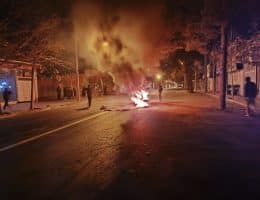

The nights of January 8-9, 2026, saw Iran go up in a coordinated blaze after two weeks of protests. I, and many other Iranians, witnessed the breakdown in public order during those days, and the influence of outside forces instigating the explosion.
Israel’s attack on Iran was the latest campaign in a longer war to subdue the region.
Israel’s attack on Iran began as a campaign against its nuclear program but has already begun to morph into something far riskier: regime change. It is staking its strategy on deep US involvement, but fault lines between the two are already visible.

After Iran launched hundreds of ballistic missiles into Israel in retaliation for Israel’s unprecedented attack, Israel said it would “burn Tehran” if Iran continued to retaliate.
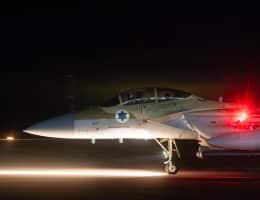
The Israeli army launched a series of wide-ranging overnight strikes on Iran, targeting nuclear facilities, top military leaders, and nuclear scientists. Israel says these attacks are just the beginning.
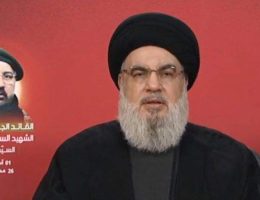
In a strident speech on August 1, Hezbollah leader Hasan Nasrallah said that the fighting with Israel has “entered a new phase” that goes “beyond supporting Gaza,” vowing an “inevitable” response to Israel’s Beirut bombing.
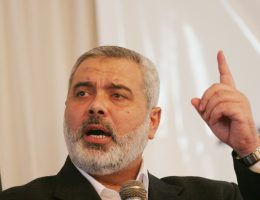
Israel assassinated Hamas politburo head Ismail Haniyeh in Tehran after a series of mounting regional tensions that included unprecedented Israeli attacks on the “Axis of Resistance,” including airstrikes on Beirut and Yemen.

For some in Iran, the West’s relentless punishment has weakened the revolutionary fires of 1979. But for countless others, they are being rekindled by the Palestinian resistance in Gaza.
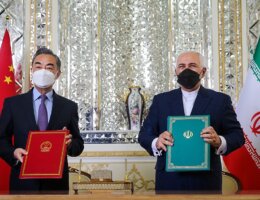
The recent China-Iran strategic cooperation agreement will unquestionably benefit the Iranian government’s desire for foreign investment, a market for oil, and pushback against diplomatic isolation. But it is less certain that it will help the Iranian people.

Sarah Ariyan Sakha wonders who the Apple TV show “Tehran” was made for, and why; but as an Iranian-American she knows it certainly was not made for her.