In a historic first, around 300 Israelis protested in Tel Aviv for the right of return and in solidarity with the Great March of Return against the siege of Gaza.
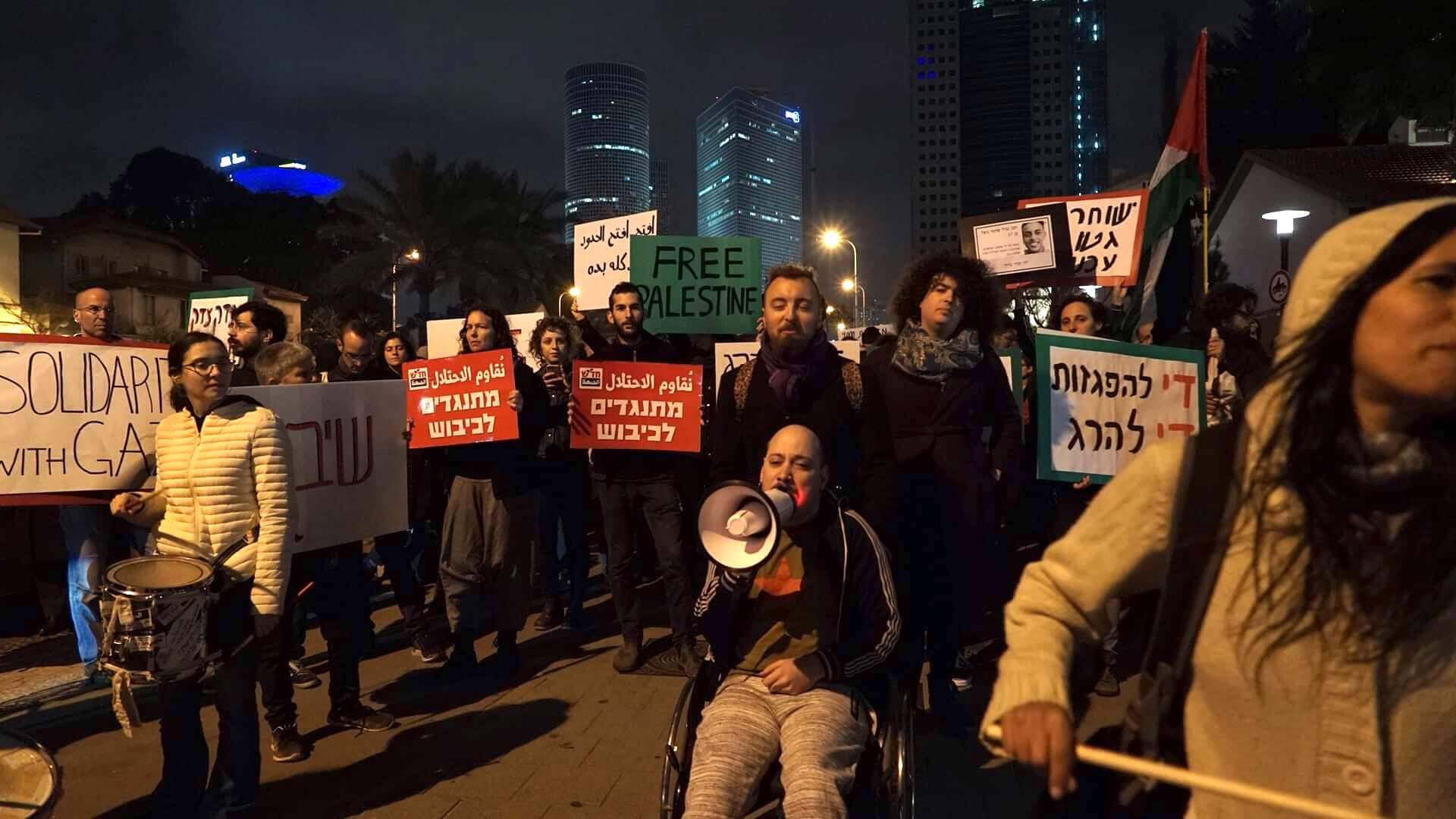

In a historic first, around 300 Israelis protested in Tel Aviv for the right of return and in solidarity with the Great March of Return against the siege of Gaza.

Israeli artists join Palestinians in calling for contestants in the Eurovision Song Contest to boycott: “We, as Jewish Israelis who yearn to live in a peaceful, democratic society, recognize that there is no way to achieve that without ending our government’s oppression of millions of Palestinians.”
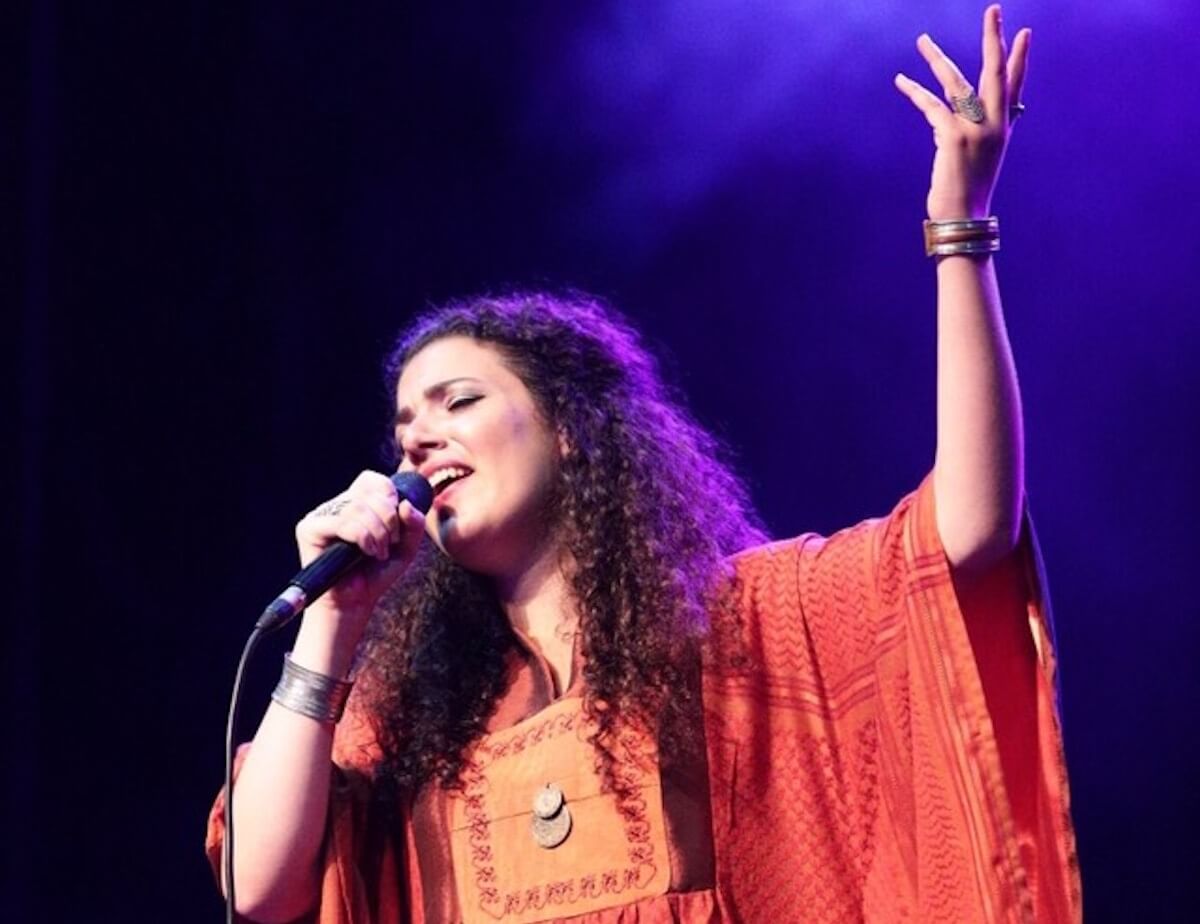
Nai Barghouti shares a story of being racially profiled and harassed at Israel’s Ben Gurion Airport: “As furious as I am at the Israeli security officer’s ugly racism and vengefulness, I felt slightly bad for her. Despite her best efforts to humiliate me, I shall go on resisting her state’s racism and apartheid with my music. She, however, will continue to search Palestinians’ underwear and be an insignificant tool of a system of racist oppression.”
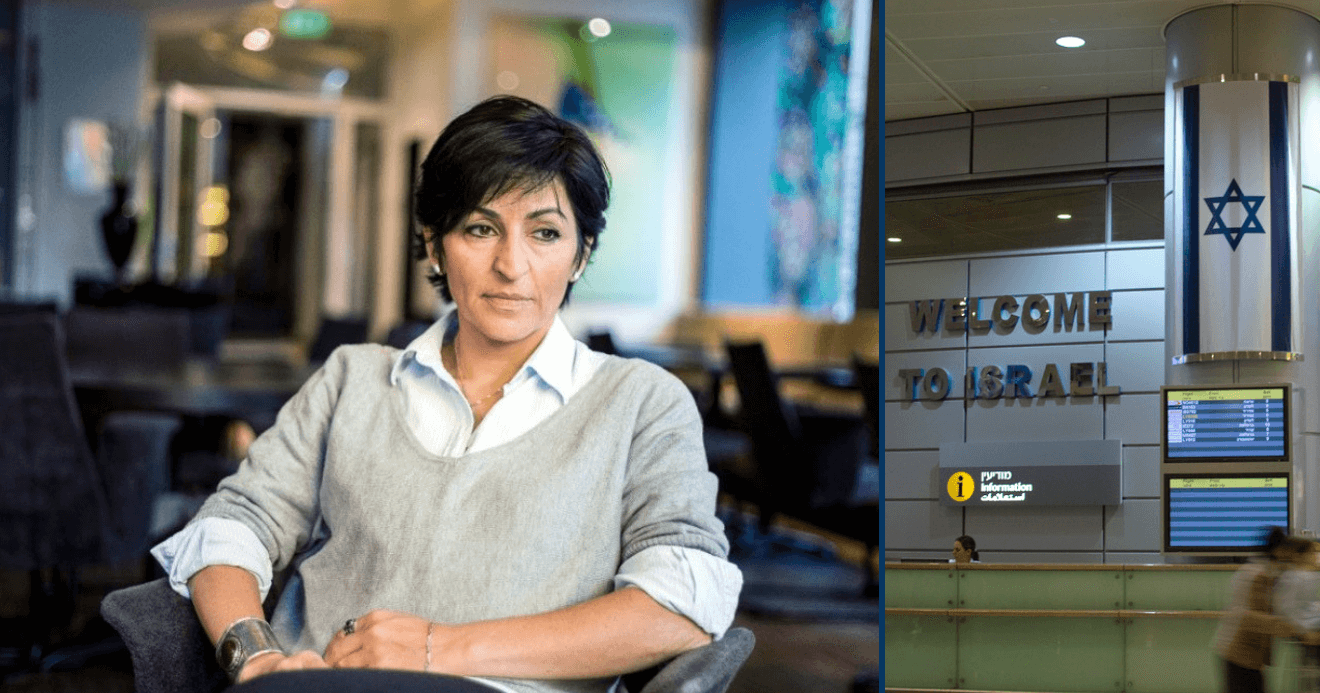
Writer Susan Abulhawa was detained for 36 hours at Ben Gurion airport before being deported and managed to sneak a pencil into the detention center and leave messages on the wall– Free Palestine — and read Colson Whitehead’s novel The Underground Railroad.
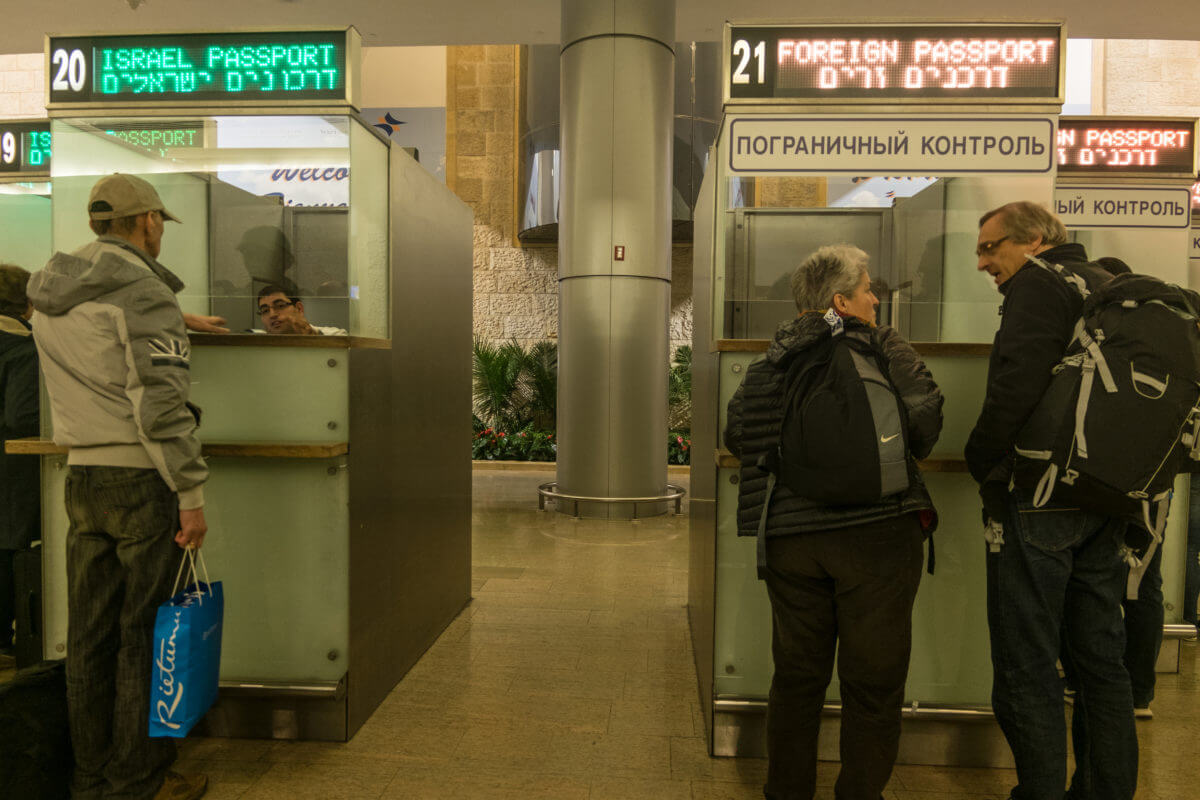
There are few places in Israel where its apartheid character is more conspicuous than the imposing international airport just outside Tel Aviv, named after the country’s founding father, David Ben Gurion. Jonathan Cook writes that Peter Beinart’s interrogation at Ben Gurion airport was just the opening salvo in the Israeli right’s war against Jewish dissent: “It is a slope liberal Jews will find gets ever more slippery.”

Jonathan Ofir writes that Reza Aslan’s decision to speak out about the abuse he received trying to enter Israel after Peter Beinart made his story public reminds him of the momentum and grass roots power of the MeToo movement: “There is this element of a critical mass, where people actually start to listen. It’s no longer a lone voice here, a single story there – it becomes a movement.”
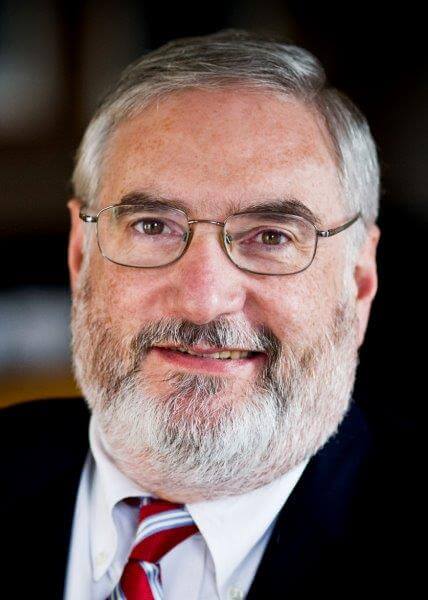
Meyer Koplow is the chair of Brandeis University and gives millions to Israel. He was interrogated at the Israeli airport two days ago because he had a pamphlet with the word Palestine on it and had visited the West Bank with a pro-Israel group called Encounter. Security accused him of lying and misrepresenting Encounter’s aims– in another sign of growing chasm between US Jews and Israeli Jews.
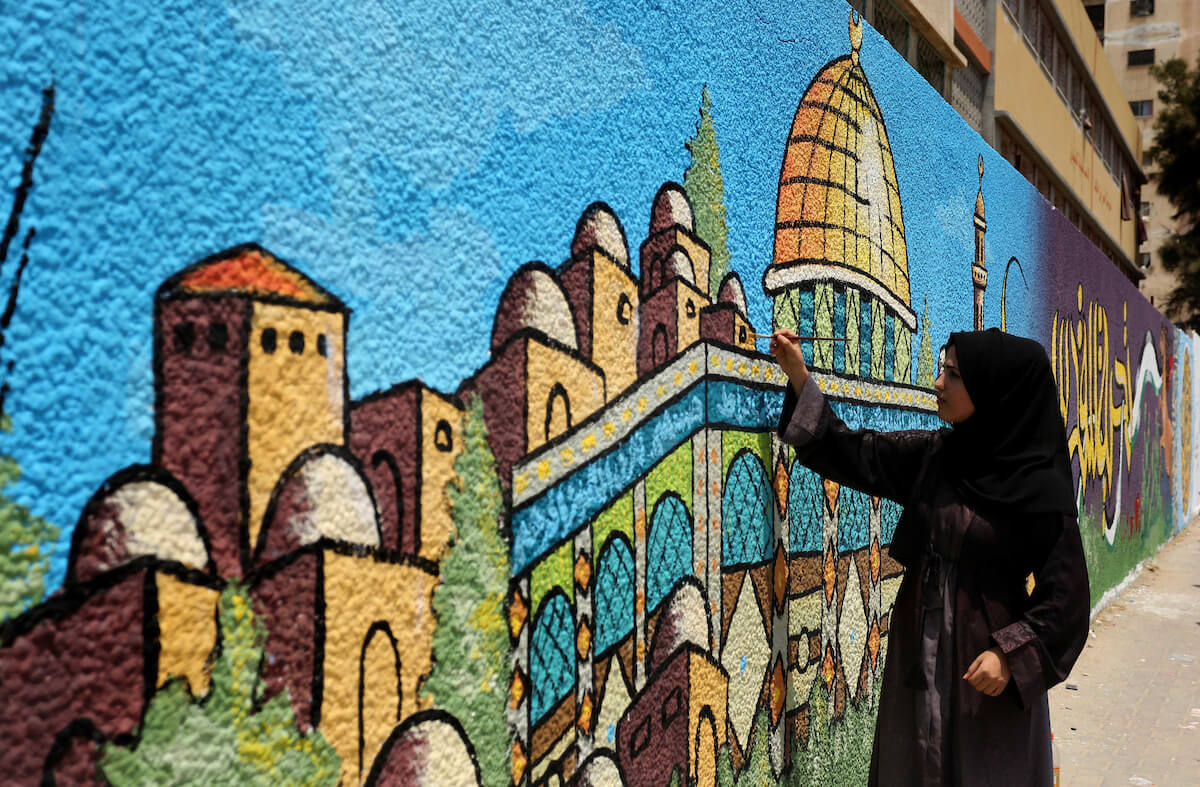
Palestinian Foreign Minister Riyadh Malki has called for an emergency meeting of the Arab League to discuss recent rumors that U.S. President Donald Trump soon plans to go through with threats to move the U.S. embassy from Tel Aviv to Jerusalem, de facto recognizing the city as the capital of Israel.

Israeli border authorities on Monday denied entry to Raed Jarrar, an American citizen and the advocacy director for the Middle East and North Africa at Amnesty International USA. Jarrar was on his way his way to be with family and grieve the recent death of his father, but was instead turned back to Jordan, as Israeli authorities refused to allow him entry. In a statement released by Amnesty condemning the denial, the group said Jarrar’s refusal was a “retaliation against the organization’s human rights work.” Meanwhile, Israel’s Foreign Ministry told local media that Jarrar, whose family is originally Palestinian, was denied on a personal basis due to his alleged “BDS activities.”
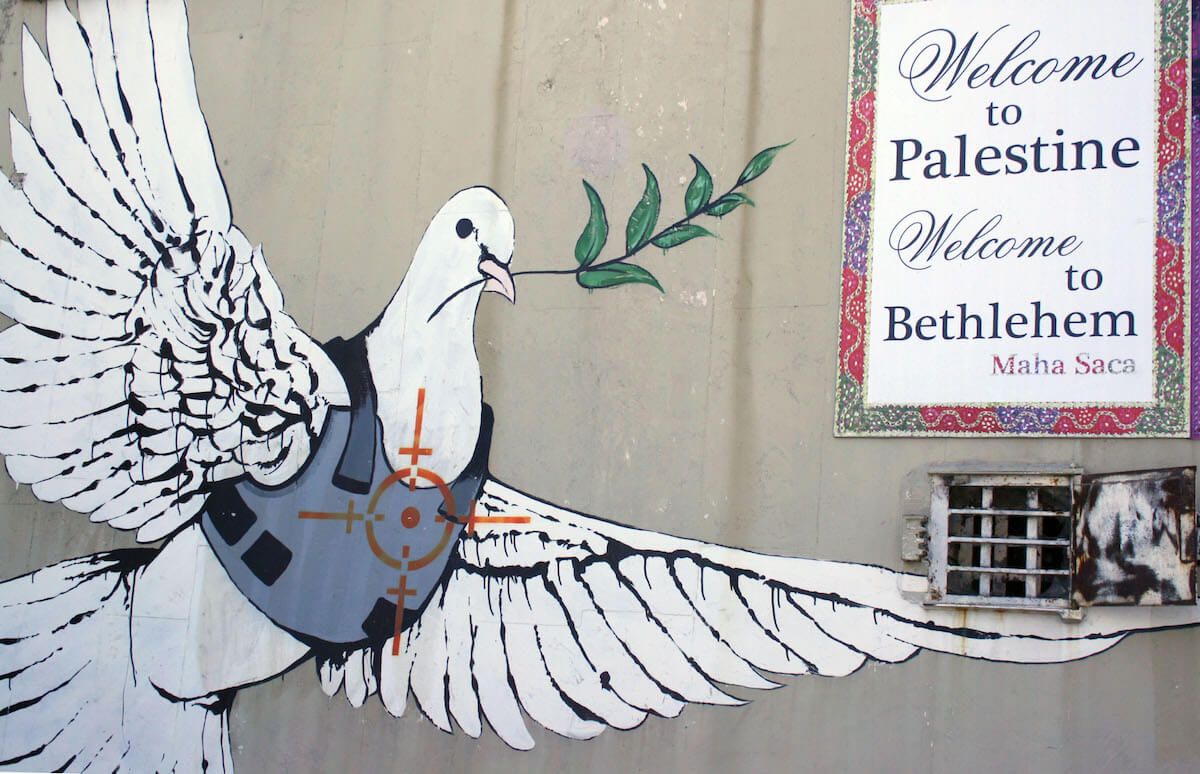
Al-Shabaka’s Inès Abdel Razek has been asked the same questions about her homeland so many times that she decided to write a simple document to answer them. She writes, “During these conversations, I wish I had a simple leaflet I could hand to my interlocutors that would lay out the answers I end up diligently repeating. This is where the idea of this FAQ emerged.”