By the Israeli standard on which I was brought up, Sheldon Adelson was a good Jew, dedicating his life and fortune to supporting Israel, Avigail Abarbanel writes. But I am much worse than a bad Jew. I am in fact an outright enemy of Israel because I insist that we should uphold justice, equality and human rights indiscriminately, and that all humans deserve an equal opportunity not just to survive, but to develop, grow and fulfill their potential.
The two state solution has been killed by Israeli expansion, and Jonathan Kuttab argues for the development of a program for one hybrid state that would be a truly unified democracy by allowing both Jews and Palestinians to “validate the essential elements of both Zionism and Palestinian Nationalism,” while rejecting those elements in each “which degrade or deny the Other.”
Lillian Rosengarten writes, “What is there to understand about the German Holocaust that demands blanket support of Israel? How dare we continue to support white Democracy which so similarly could sound like white Aryan supremacy? Have we become as insane as the lies and destruction of Zionism?”
Michael Arria interviews Sumaya Awad and brian bean, editors of the new book Palestine: A Socialist Introduction: “The Palestine movement doesn’t exist in isolation, so we need to stand up for it and integrate it into into our organizing for any system change to be possible in the U.S.”
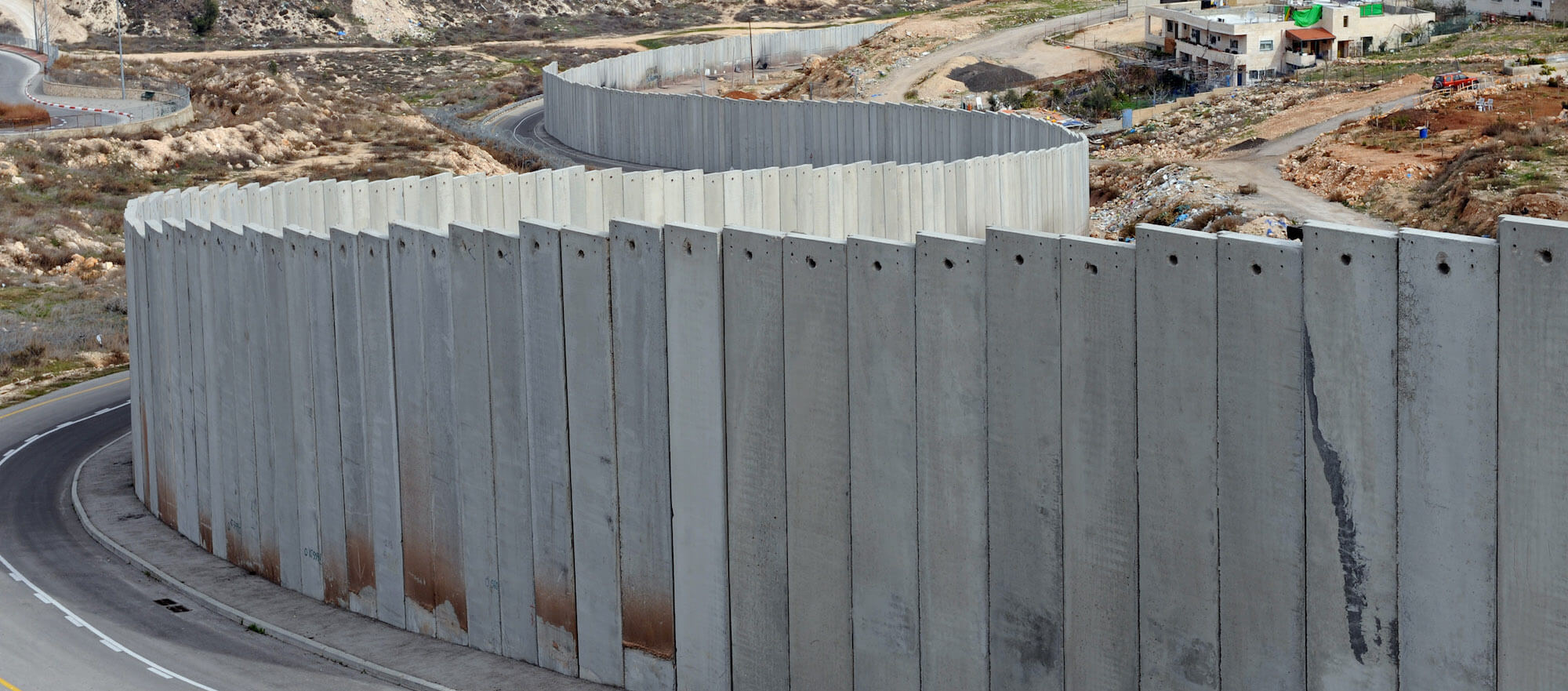
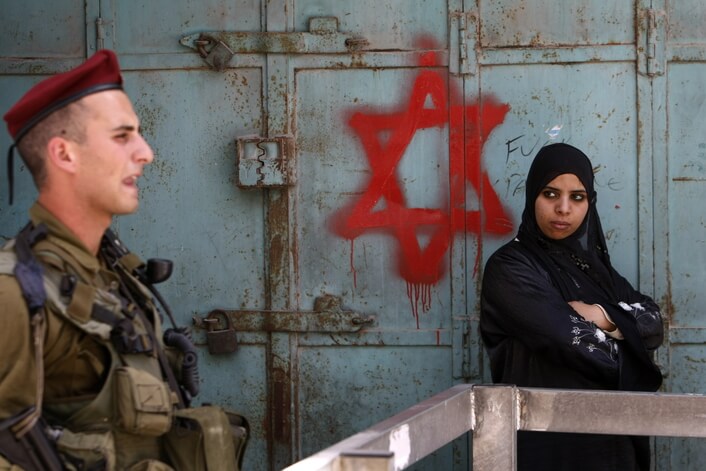
Racism plays a huge role in how Israel is able to get away with apartheid and ethnic cleansing without facing major backlash from the international community. Political philosopher Charles Mills’s notion of the racial contract is useful in both understanding Israel’s existence, and how its continued apartheid practices are sustained.
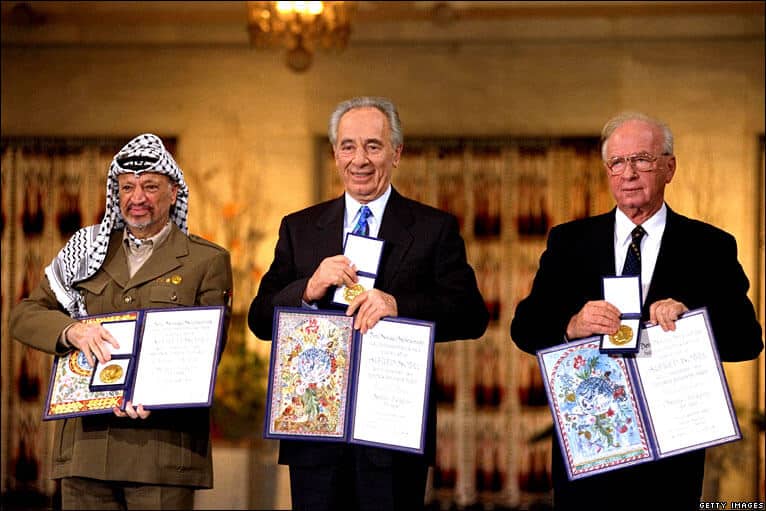
The shots that killed Yitzhak Rabin were not the opening shots of a civil war – they merely exposed the hidden war that had existed within Zionism since the beginning.
Who is allowed to discuss the Jewish narrative of Zionism in Berlin? Apparently, not Israelis as Germany tests its first case of a new anti-BDS law, surprisingly targeting a group of Israeli artists.
In Yishai Sarid’s novel, Israelis act out rituals of grief and mourning for the Holocaust and come away repulsed by their ancestors, the victims of a horrific genocide, and admiring of the Nazis in their “Hugo Boss” uniforms. “That’s what we should do to the Arabs,” one whispers. Yet US media have failed to grasp the novel’s moral about Palestinian dehumanization.
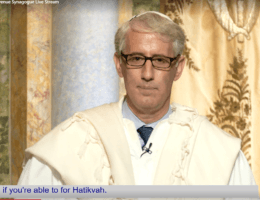
Park Avenue Synagogue inserts the Israeli national anthem, the Hatikva, into its Yom Kippur liturgy, as Rabbi Neil Zuckerman praises his son for overcoming exile in New York and going “home” to Israel and joining Israel’s army. “There is no mistaking it: Zionism is the synagogue’s core value that takes over at a key moment in the Yom Kippur service,” says one observer.
Liz Rose reflects on Rosh Hashanah: “We made the desert bloom,” my mother said when I was ten years old. “How did we do this,” I asked, “from the other side of the world?” My mother pointed to the blue JNF box full of loose change. “That’s how.” And then I felt a selflessness in me, learning to give to others who required help, like Israel, who I believed–because my mother believed–needed money to help make the empty forest grow.