Nikki Haley says U.S. embassy in Jerusalem “promoted” peace, blames Iran with Hamas back-up for deaths of Palestinian protesters. Meanwhile officials in the United Nations call for an investigation into Israel’s actions.


Nikki Haley says U.S. embassy in Jerusalem “promoted” peace, blames Iran with Hamas back-up for deaths of Palestinian protesters. Meanwhile officials in the United Nations call for an investigation into Israel’s actions.

On Kensington High Street, around the corner from the Israeli embassy, Londoners protested the killing of Palestinian demonstrators in Gaza yesterday, with more actions across the city in recent days at the U.S. embassy, the Saudi embassy, the BBC, 10 Downing Street, and Parliament Square.
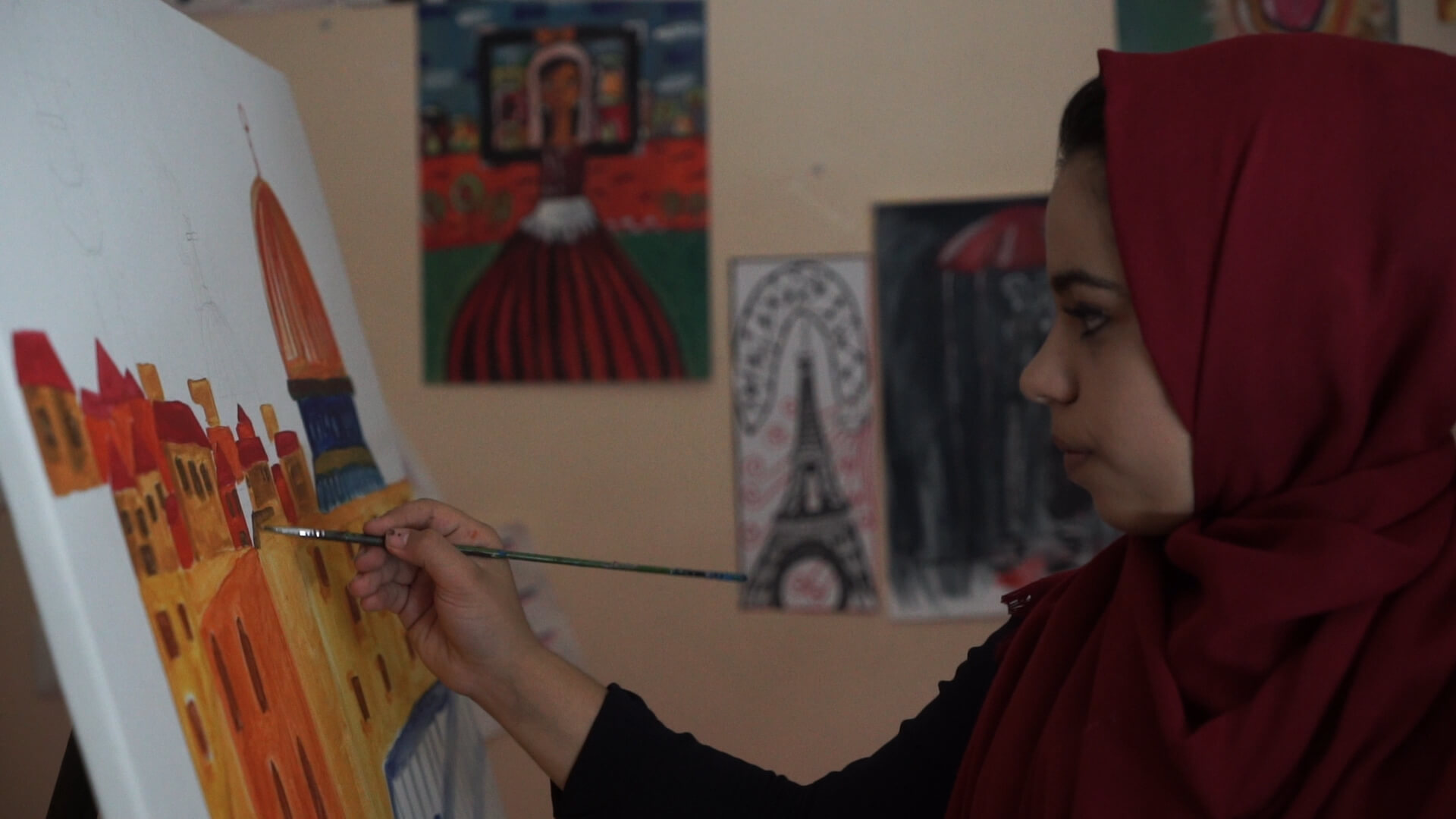
In August 2014 Dan Cohen and Max Blumenthal entered Gaza and began collecting the harrowing testimonies that would become the basis for their new documentary, “Killing Gaza.” Cohen writes, “Killing Gaza will stand as a lasting testament to a people struggling to wriggle out from under the boot of a ruthless empire by resisting their occupation through every means available.”
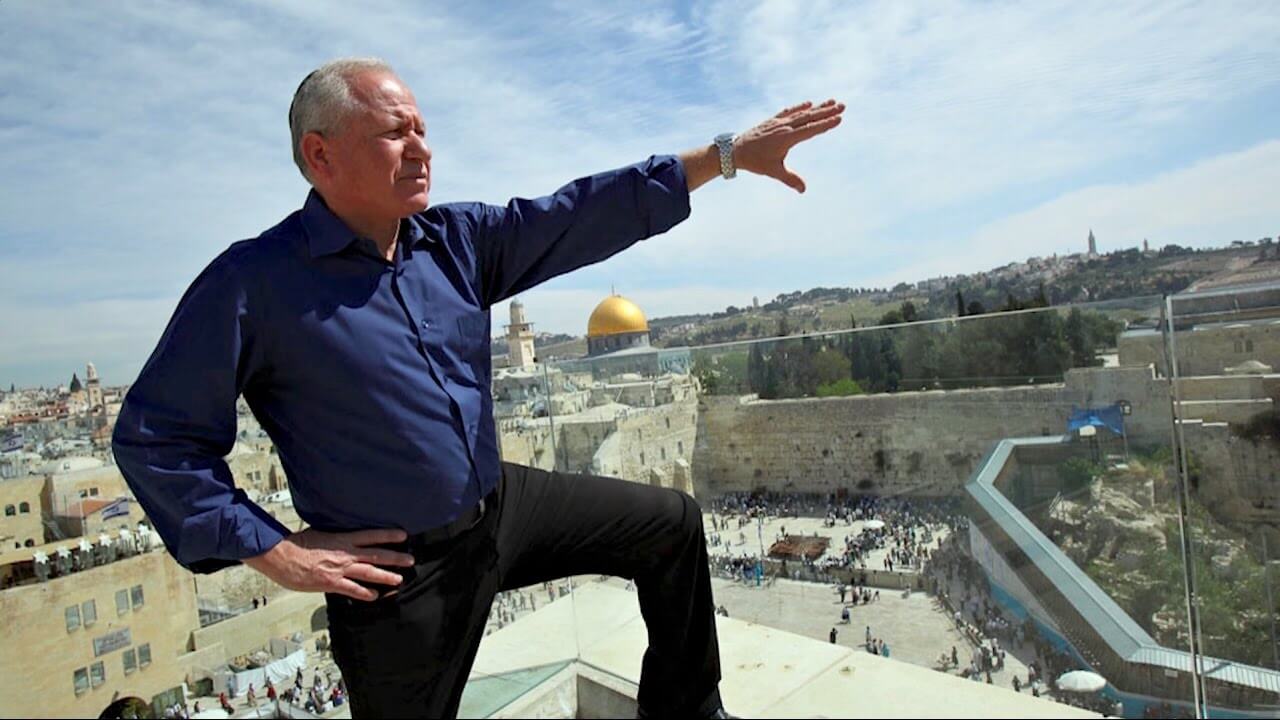
Israeli lawmaker Avi Dichter and former head of the Shin Bet intelligence agency warns Palestinians in the Great March of Return that they are bringing a “Great Nakba” upon themselves.

Today’s main New York Times article on Israel’s massacre of Gazan demonstrators — the lead front-page story in the print edition — is a masterpiece of deceit. The article, by David Halbfinger, employs the time tested tools of distortion, including classic Orientalism, dueling narratives, one-sided use of sources, and hiding the perpetrators behind passive sentences, topped off by outright dishonesty.
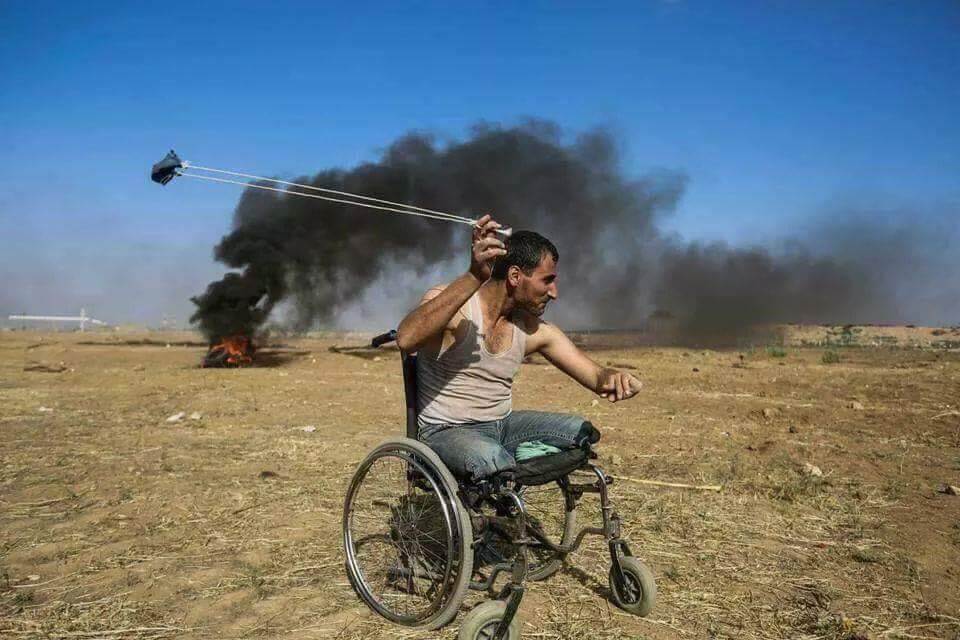
Reuters photographer Ibraheem Abu Mustafa recalls yesterday morning he ran into a familiar face as he headed towards the protest in Gaza to cover the event. He said hello to the acquaintance, a wheelchair-user, “By the end of the day I was at his funeral.”

Many Palestinian families have their narratives of the Nakba, especially in Gaza where nearly 70% of the population are refugees. Hamza Abu Al-Tarabeesh shares the stories of three Gaza families, including his own. Each story share incredible pain and loss, but also hope for the future and the hope of return.

For Rana Askoul’s entire life she had identified as a Palestinian, yet was never allowed to return to her homeland. That changed when she acquired a new passport. It was her turn to return: “For the last 35 years of my life, my home had been out of reach, denied, held hostage and destroyed. For 35 years, I watched closely all the videos of all those who returned to visit the ruins of our northern Palestinian village. For 35 years, I tried to memorize the geography of the place, to figure out the scent of its red dirt and to imagine what it would have been like if it all didn’t happen. And I could reach it now. In less than 3 hours. But my heart raced, and my hands clenched into fists. I couldn’t do it.”
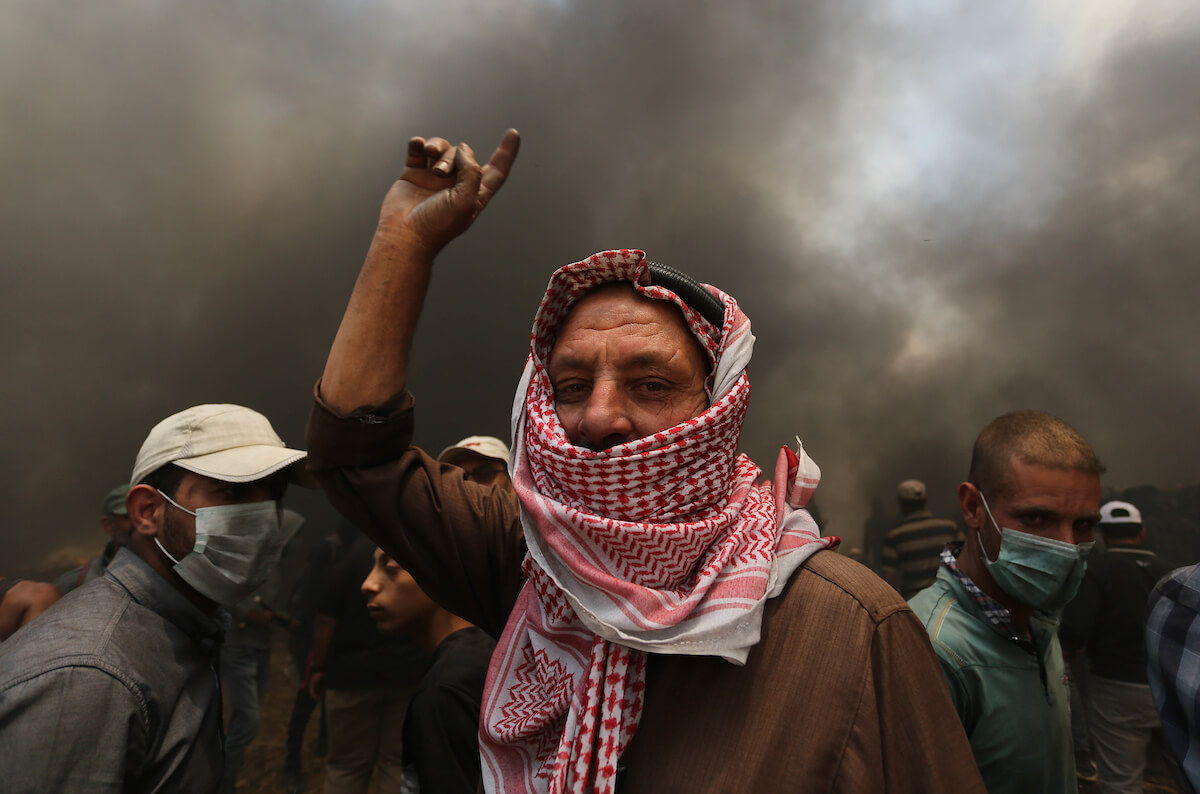
“Forced displacement and dispossession are key factors to understand the situation in Palestine and the Palestinian-Israeli conflict.” Amjad Alqasis examines how Palestinians became the “largest and the longest-standing unresolved refugee case in the world today” and how their ongoing displacement and dispossession can be challenged.
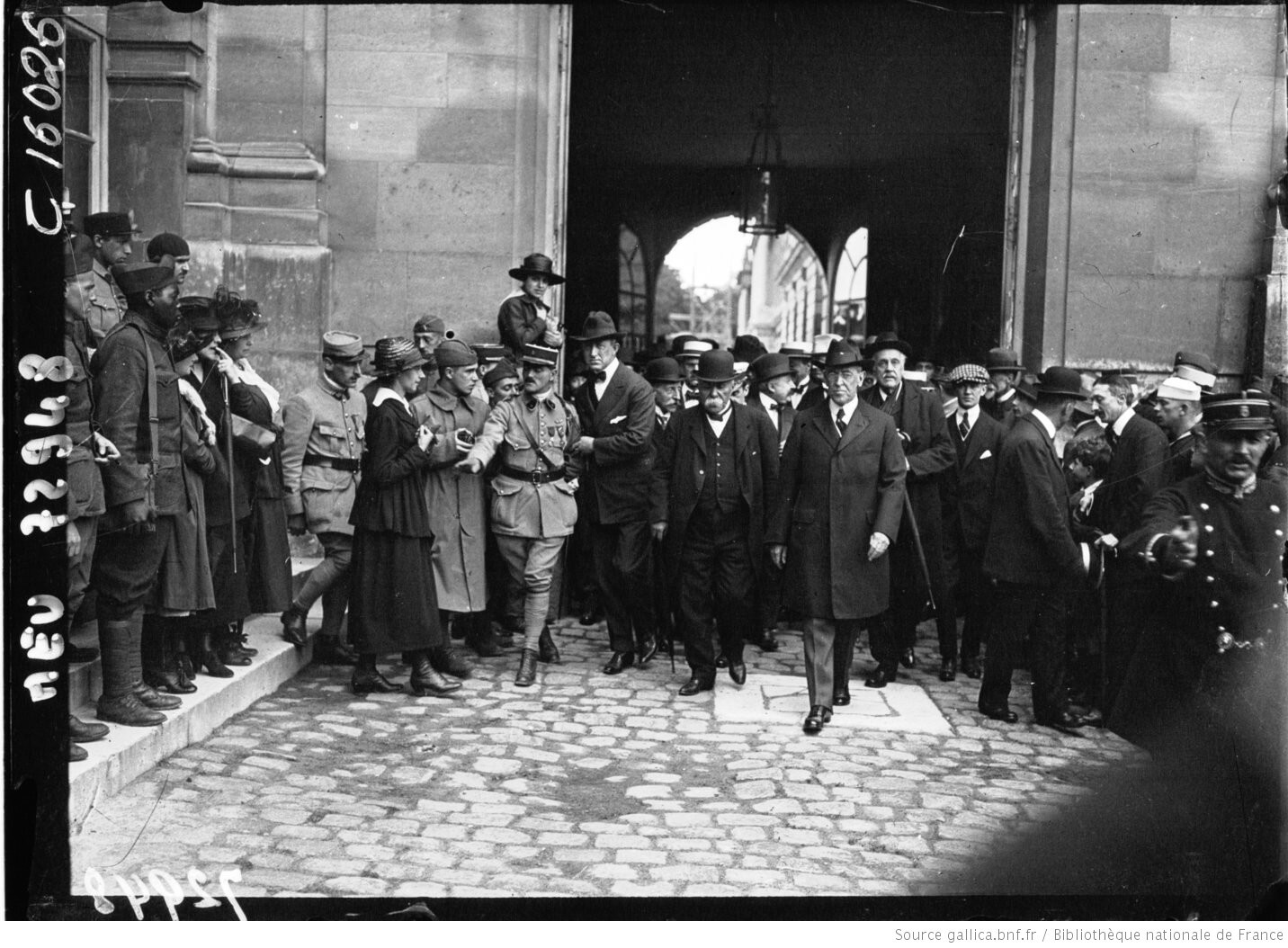
Shmuel Sermoneta-Gertel: “A century after the armistice of 1918 and 70 years after the Nakba, ethnic nationalism is alive and well. It is why Palestinian protesters, whether in Gaza, Jerusalem or Umm al-Fahm, can be shot with impunity; why Gazans can be imprisoned en masse for 11 years, with no end in sight.”