
The olive tree.
Olive harvest season always takes me back to the photos of an old woman in the West Bank attaching herself to an olive tree while an Israeli bulldozer idly waits by, intending to destroy a harmless thing. So she cries and grips the tree till the last moment like it is the only child that she knows she will never see again. She cries some more, the sorrow in her eyes grows stronger and the tears flood, she not only has lost the tree, but a part of her very self, a part of her identity, her culture, her heritage. Eventually it is erased from existence, much like the many Palestinian lives, homes, olive trees and memories that have been erased in the struggle for an honorable life.
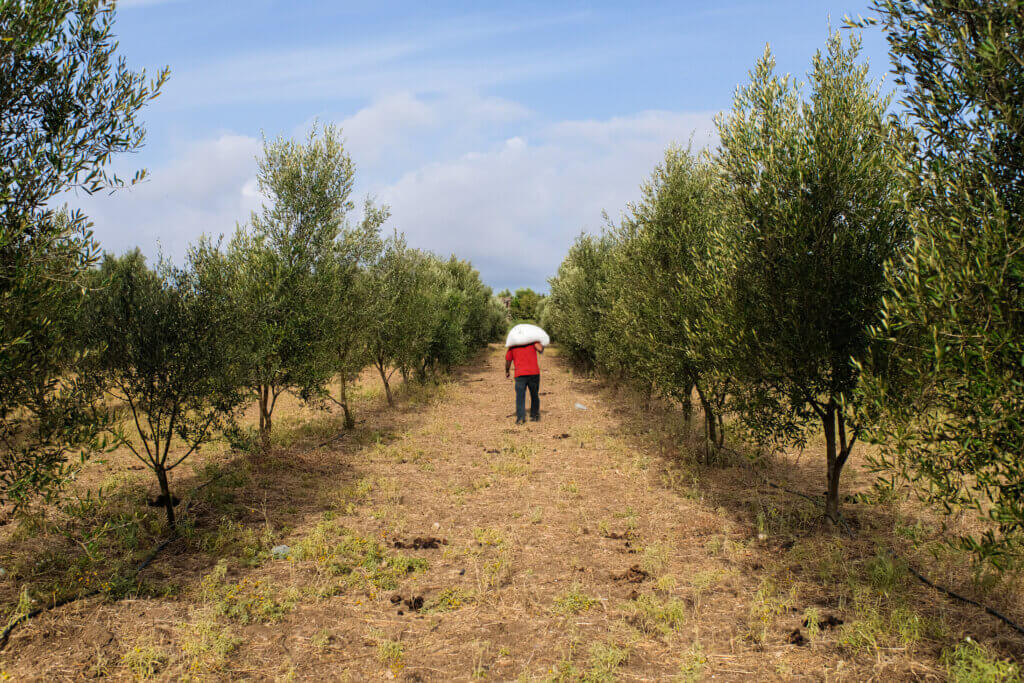
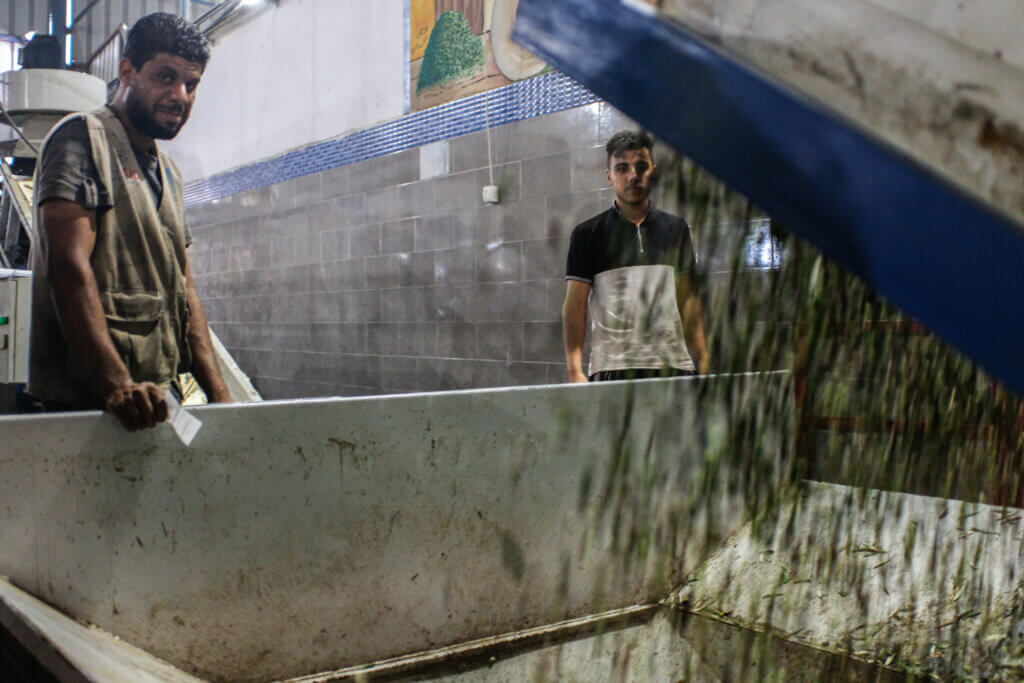
It’s 6:30 AM. We are headed to the border to witness the harvesting of the olive trees right on the northern border of Gaza. An industry which not only is a means of survival for many, but is also a symbol of their cause and history. The olive tree has become more than what it actually is.

It’s 7:00 AM and we arrive near the farm. We walk a sandy road towards the gate, we are welcomed by the distant sound of a stray bullet, reminding you that you are in Gaza. Another lone bullet, followed by another, and another. But ‘don’t worry’ I was told, they’re just warning shots for farmers or anyone that gets too close to the militarized fence. Relief.
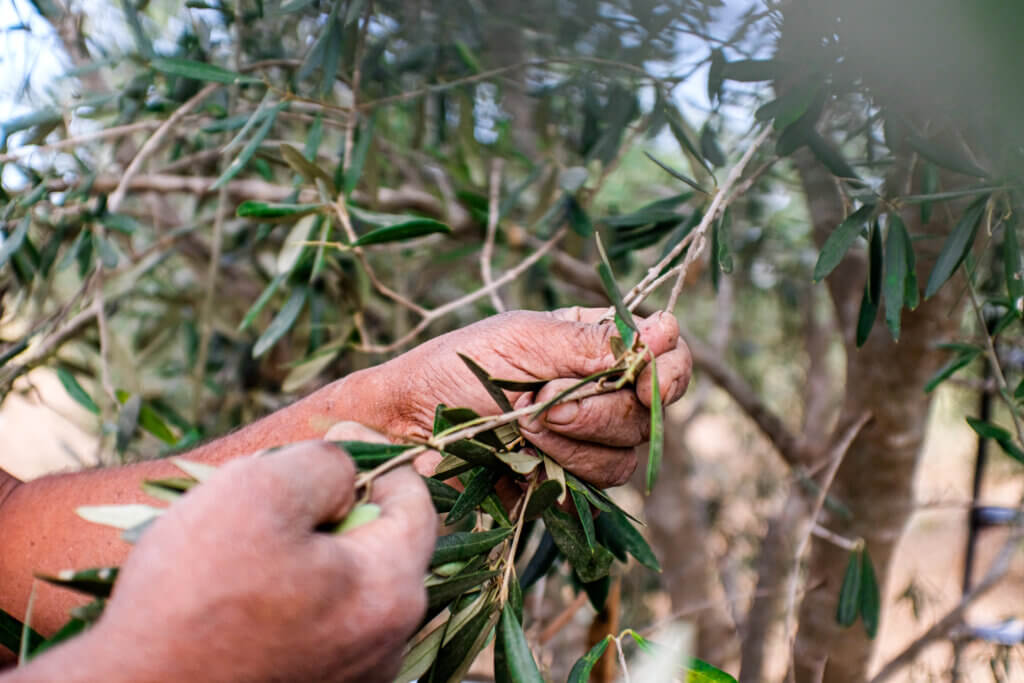
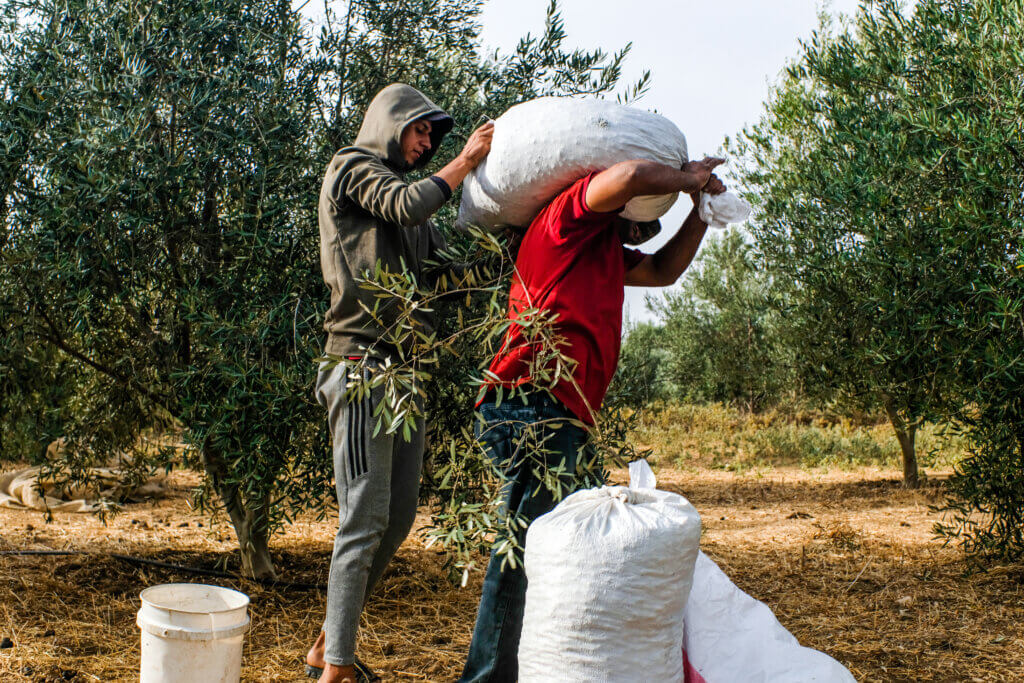
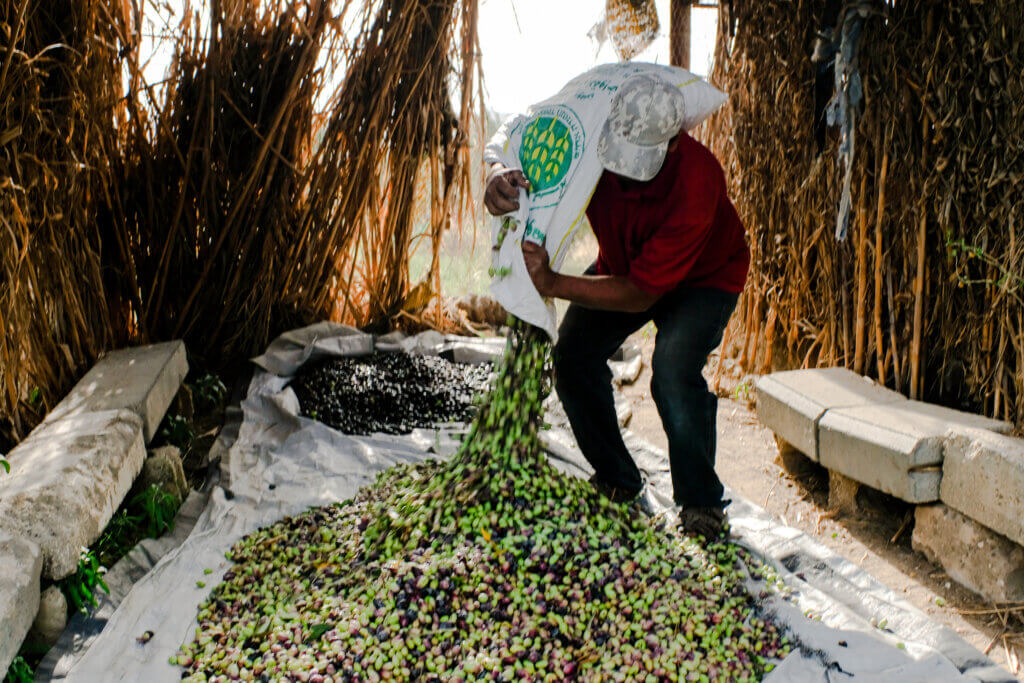
It’s 7:30 AM and the harvesting commences. Abu Firas, caretaker of the land and two of his close relatives began harvesting, and I began photographing.





Mahmoud Nasser
Mahmoud Nasser is a documentary/street photographer born and raised in Gaza City. He was lucky to leave Gaza for Canada with his family during times of turmoil in 2008, but even luckier to see himself back in even worse times in 2021 after nearly 13 years of living abroad. His love for photography has seen him back in a place where many are literally dying to leave at the drop of a dime.

Israel controls exports from Gaza, Israel controls the whole economy, the Rafah crossing notwithstanding. It’s remarkable that Israeli officials say as much (from 2016), emphasis mine –
https://www.timesofisrael.com/hard-right-minister-conditions-at-west-bank-checkpoints-disgraceful/
Hard-right minister: Conditions at West Bank checkpoints ‘disgraceful’Uri Ariel says Israel must improve Palestinian economy, build Gaza port: ‘We are responsible for the region’…Ariel said Gazans deserved a port for the import and export of goods and said this could be achieved with “one hundred percent security.” He called on Prime Minister Benjamin Netanyahu to stop “considering” it and simply carry it out. “We’ve been considering for 47 years. They have no international ports. Why shouldn’t they have a port?” He added that Israel should provide water and cooking gas to Palestinian towns, saying “We are responsible for the region.”
I remember that photo of the woman clinging to the tree. It was on a poster at a Jewish pro-Palestinian vigil. A Jewish couple came by, and were furious – not because they denied the truth of what we were saying, but because we were saying it in front of the goyim.
“To commit genocide it is not necessary to build camps and ovens. All that is required it to removed the basis for a way of life.” — Grand Chief John Kelly, testimony before the Royal Commission on the Northern Environment, 1977.
I have quoted this before, and will probably quote it again.
Israel doesn’t have to kill all the Palestinians, just prevent them from making a living. Then – they hope – they will leave. It’s working pretty well so far.