Israel is restricting prosthetics and rehabilitation equipment from entering Gaza, leaving thousands of children waiting for a medical evacuation that may never come.
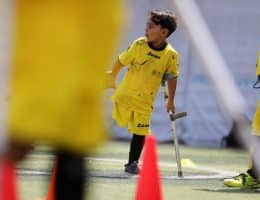

Israel is restricting prosthetics and rehabilitation equipment from entering Gaza, leaving thousands of children waiting for a medical evacuation that may never come.

Escaping genocide in Gaza is the beginning of another struggle in exile.
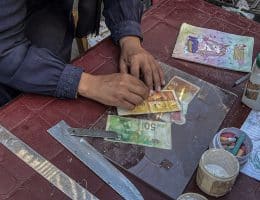
Israeli-imposed financial restrictions are choking Gaza’s economy as banknotes run out, leaving the average consumer with a heavy price to pay.
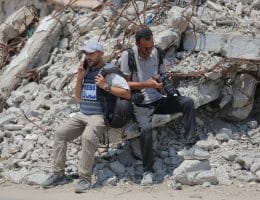
Israel is trying to hide its crimes by banning international reporters from entering Gaza. We must reject this apartheid system of access.
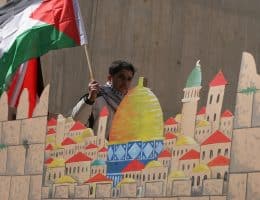
Can a temporary consensus government advance Palestinian self-determination in the homeland and the diaspora?
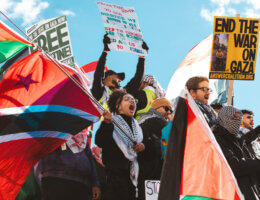
After three years of genocide, two decades of a criminal siege, and a century of occupation, we must confront Zionism from all directions until Palestine is free.

The documentary film by Yuval Abraham and Rachel Szor follows the predictable script of the regretful soldier, but the subjects in NAZA express something darker: mourning the loss of power.
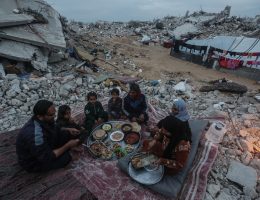
In scattered tents across Gaza, families once bound by shared meals and evenings by the sea now focus solely on survival. The rituals that once bonded fathers to their children, or women to their neighbors, have been shattered by Israel’s genocide.

In Gaza, an entire generation of children born into the genocide has no memory of how life was like before, and doesn’t know about the world outside Gaza’s walls.
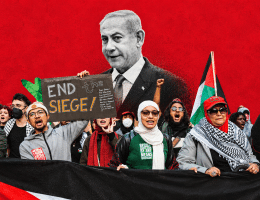
Since October 7 and the Gaza genocide, U.S. opinions on Israel and Palestine have drastically shifted. The power of Zionist propaganda has been permanently weakened, and the U.S.-Israel relationship is in a more precarious position than ever before.