Through embassy evacuations, academic fellowships, and WHO medical corridors, Palestinians are leaving Gaza in small but steady numbers. Israeli officials call it “voluntary migration,” but the Gazans forced to leave know it’s part of Israel’s plan.
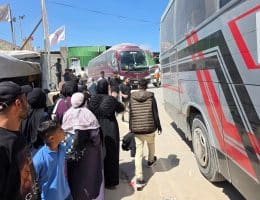

Through embassy evacuations, academic fellowships, and WHO medical corridors, Palestinians are leaving Gaza in small but steady numbers. Israeli officials call it “voluntary migration,” but the Gazans forced to leave know it’s part of Israel’s plan.
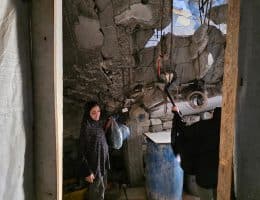
With more than 40,000 Palestinians sheltering in collapse-prone buildings and a “nightmare” winter approaching, Gaza’s Civil Defense warns of a preventable catastrophe unfolding in plain sight.
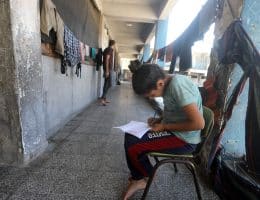
For the fourth consecutive year, hundreds of thousands of Gaza’s children return not to classrooms, but to fabric shelters and makeshift wooden structures, holding onto traces of a school system Israel’s genocide has destroyed.

The UK’s new sanctions on Israeli settlements may be groundbreaking, but they’re also full of loopholes. F-35 parts are exempt, the state itself is untouched, and enforcement won’t start for months. Real progress, but far from enough.
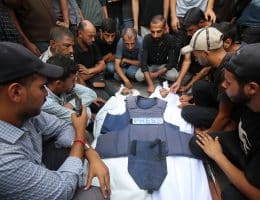
I didn’t choose to make my identity political. But for Palestinian journalists, even naming our own grief and experiences gets branded as ‘ideological’.
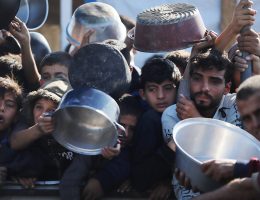
In the pediatrics department at Nasser Hospital in Gaza, doctors are seeing a surge in stunted growth among children. This lasting mark of Israel’s engineered famine may affect cognition, hormones, and health for generations to come.

A UAE-sponsored plan by exiled Fatah dissident Muhammad Dahlan to “end Palestinian division” has quietly become the working platform for an unlikely electoral alliance with Hamas. Here is what this could mean for the future of Palestinian politics.

Amid Israel’s genocide in Gaza, Palestinians with hearing impairments have been left particularly vulnerable, unable to hear incoming missiles or evacuation orders. Fadl Kuraz is one of the few who have devoted their lives to helping them survive.
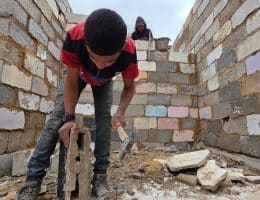
As Israel continues to prevent the entry of reconstruction materials into Gaza, Palestinians rebuild their homes with salvaged rebar, recovered limestone, and clay. “This is the evidence of our love for our land,” Fayez Abu Shamala tells Mondoweiss.
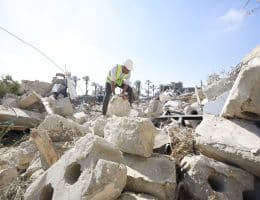
As Israeli strikes leveled museums and 5,000-year-old sites across Gaza, volunteers dug through the rubble by hand to save what they could. Meanwhile, looted artifacts quietly resurfaced in a Paris exhibition.