The assertion that Israel is trying to provoke a wider regional conflict appeared nowhere in the mainstream media coverage of Iran’s retaliatory strike.


The assertion that Israel is trying to provoke a wider regional conflict appeared nowhere in the mainstream media coverage of Iran’s retaliatory strike.

Israeli settlers went on a two-day rampage in the region northeast of Ramallah when a settler teenager was reported missing on Friday. They burned dozens of houses and killed two Palestinians, while effectively blockading some ten villages.

Iran said that its retaliation for Israel’s April 1 attack on the Iranian consulate in Damascus would be “deemed concluded,” while Biden reportedly told Netanyahu that the U.S. would not back an Israeli counterattack.

J Street is reportedly losing staff and support as they prioritize Israeli militarism over Palestinian rights. The Gaza genocide is revealing the tension between Zionism and liberal Jewish values, a divide which will only continue to grow more stark.

Despite hundreds of arrests, Jordanian protesters keep coming out to demonstrate in front of the Israeli embassy in Amman. They are calling for an end to Jordan’s 1994 peace treaty with Israel in response to the genocide in Gaza.

Berlin police raided and cut off electricity to the Palestinian Congress conference before banning the three-day event. Organizers say Germany’s antidemocratic authoritarian response to Palestine activism is growing by the day.

For us, all of us, part of our resistance to the erasure of genocide is to talk about tomorrow in Gaza, to plan for the healing of the wounds of Gaza tomorrow. We will own tomorrow. Tomorrow will be a Palestinian day.

Israel has always punitively killed the families of leaders and resistance figures as collective punishment. It is a sign of Israel’s inability to extract a military victory on the ground.
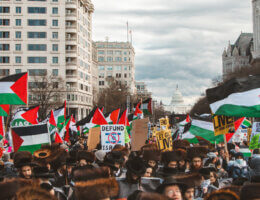
Since October 7, many in the U.S have have grown to understand how our tax dollars fund the genocide in Gaza. This knowledge is inspiring a boom in an old form of resistance — tax resistance.
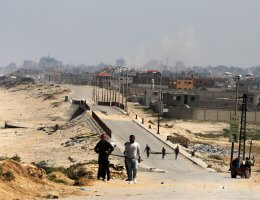
The U.S. and Israel intensify preparations for a potential Iranian strike in response to Iran’s Damascus consulate attack. Hamas conditioned a ceasefire and prisoner swap on the return of displaced Palestinians to northern Gaza.