Many in Gaza believe that Trump’s “peace” plan is a ploy to get the Israeli captives released and then resume the genocide. But despite the deep skepticism, desperation to end the war is outweighing everything else.


Many in Gaza believe that Trump’s “peace” plan is a ploy to get the Israeli captives released and then resume the genocide. But despite the deep skepticism, desperation to end the war is outweighing everything else.

The Trump administration’s crackdown on dissent started with its targeting of Palestine protesters. Two years into the Gaza genocide, we are now seeing these attacks expand to all critics, regardless of their connection to Palestine.
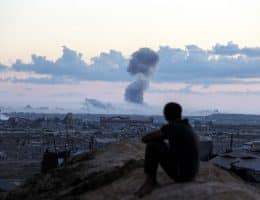
Two years on, the memory of October 7 returns as both catastrophe and possibility, reminding us that both resistance and surrender are choices haunted by loss. But two years on, we also learned something else: they are defeatable.

Every day, when we turn on the news, we thank God we survived the genocide. And every day, we regret it.
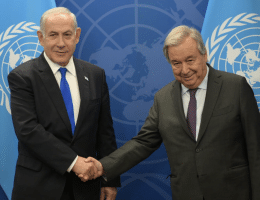
Why the UN Secretary-General’s recent decision to blacklist Hamas, and not Israel, as perpetrators of sexual violence flies in the face of the UN’s own evidence.

I never imagined my mission would be this painful: to write the stories of my neighbors, friends, and family erased in Gaza’s genocide.

Israel detained more than 40 boats in international waters; protests and government denunciations followed.

Siargao, a small island in the Philippines’ Mindanao region, might seem far from the Gaza genocide. But as the island becomes a popular spot for Israelis completing their military service, local Filipinos are starting to reject Israeli tourism.

Jake Tapper and other mainstream U.S. media figures will wax poetic about free speech, but they ignore when advocates for Palestine are targeted, or even jailed, for speaking out.
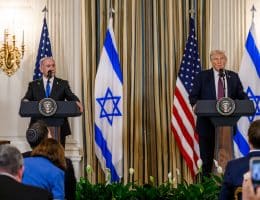
Hamas just accepted Donald Trump’s “peace” plan. Here’s what Hamas didn’t accept, how Trump reacted, and why Netanyahu was blindsided.