Author

Dan Cohen

Browsing

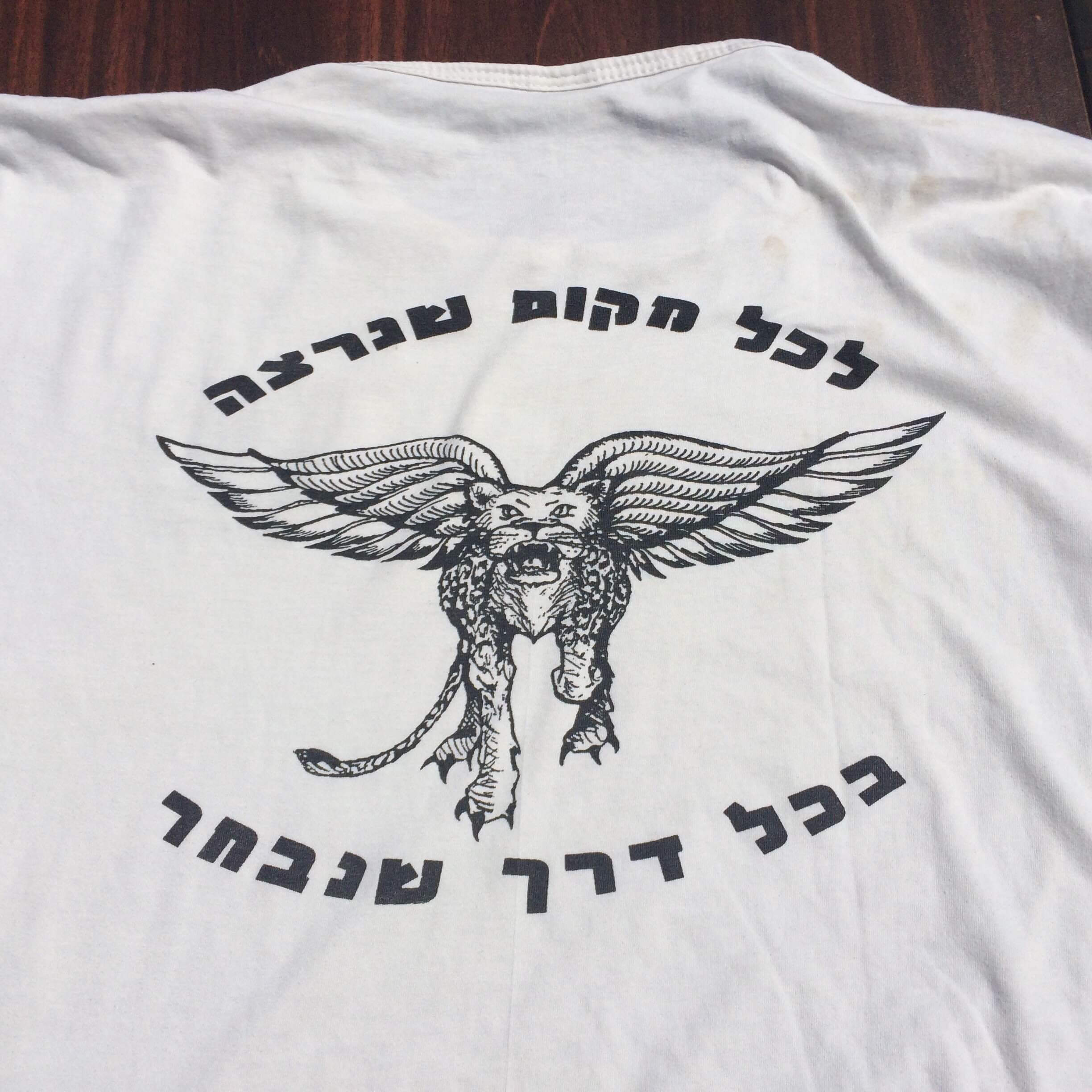
Every Monday, Palestinians in Nuseirat refugee camp rummage through piles of secondhand Israeli junk in the cheapest market in the Gaza Strip. Dan Cohen finds several t-shirts that include military insignia for the army that slaughtered so many in Gaza.

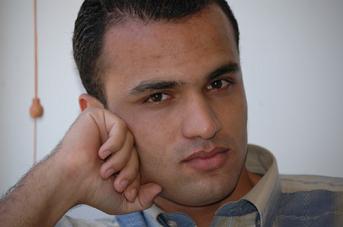
Mohammed Zaidan awoke in an Israeli hospital, recovering from serious injuries to his stomach, eye socket, head and arm. At the height of the second intifada the Jenin resident had gone on a suicide bombing operation, but the explosives he brought failed to properly detonate. Fifteen years later, Dan Cohen interviews Zaidan in his home in Gaza City where he recounts why he decided to become a suicide bomber, what his life has been like since the failed attack and whether he would do it again.

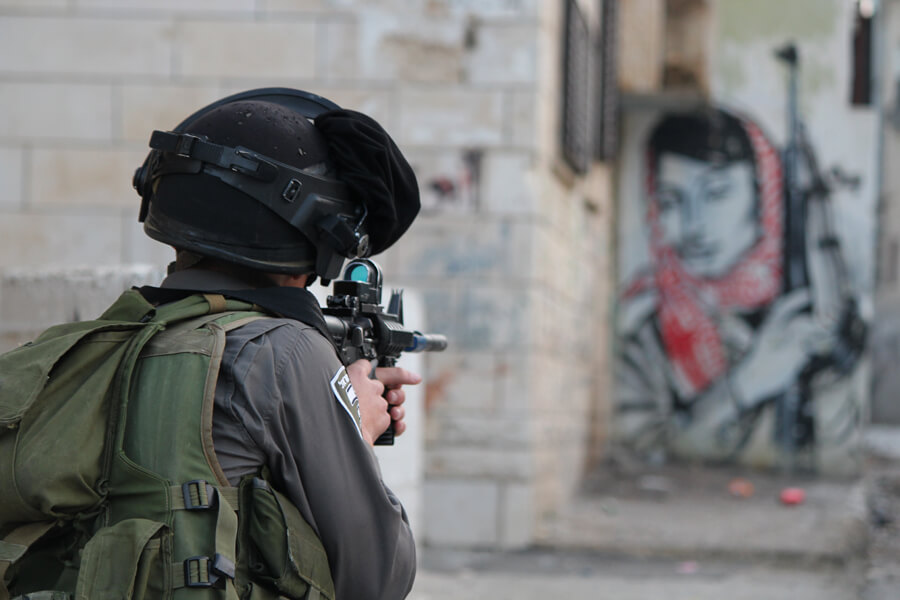
A Palestinian stabbed an Israeli member of the Border Police at the Damascus Gate Sunday, and Netanyahu hailed the victim as a “fighter”. The Border Police serve as soldiers in the occupation, and the use of the term police is pure semantics.

Israel absolved itself of responsibility for the killings of four boys from the Bakr family who were playing soccer on the beach in Gaza. Dan Cohen visits the home. A survivor of the attack, Muntasir is called “the living martyr.” Wounded badly in the attack, he requires medical attention and tells himself if only they’d held his hand, his brother and nephew would still be alive

Dan Cohen responds to Jewish Daily Forward editor in chief Jane Eisner who wrote a piece called “Why the Forward Sent a Brave Reporter to Gaza,” about the decision to send their Middle East correspondent to Gaza for a three day reporting trip. Cohen writes, “As a journalist who happens to be Jewish and having spent almost four months on the ground in Gaza including the last weeks of the war last summer, it is clear to me that Eisner knows nothing of reality on the ground in Gaza. More than anything else, Eisner’s hysteria over sending Zeveloff to a place where journalists – Jewish and gentile — make regular visits, exposes her anti-Palestinian racism.”

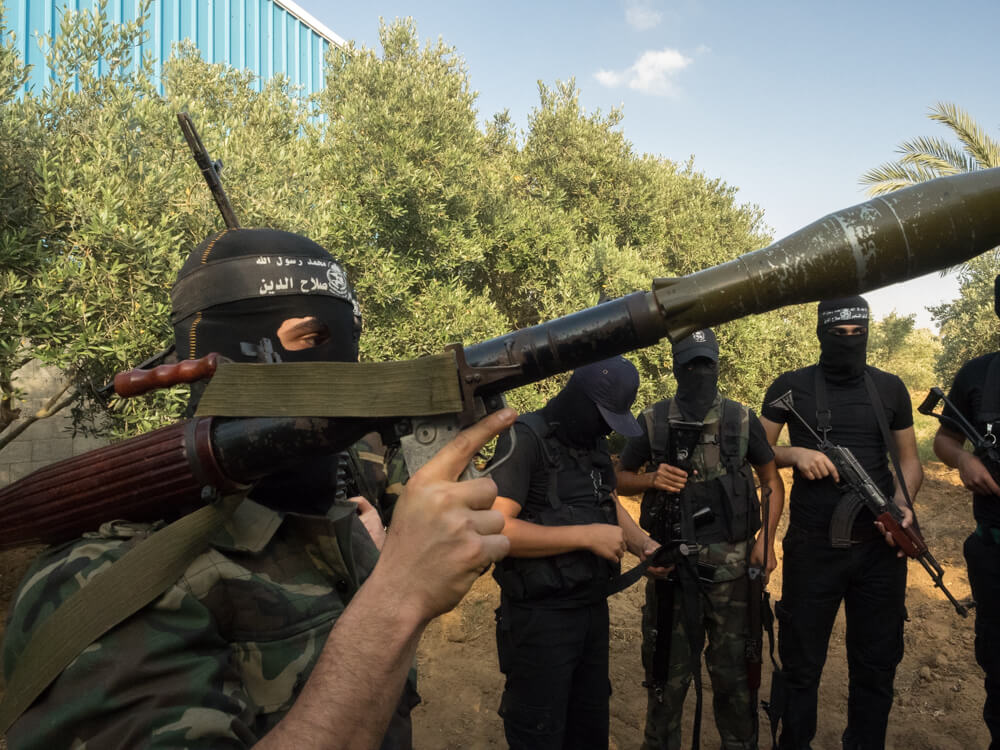
Since the ceasefire that ended last the 51-day war last summer, Gaza’s armed resistance factions have largely observed the ceasefire amid near-daily Israeli violations. However, the prospect of another major Israeli attack is a question of when, not if, and Gaza’s resistance groups have been active in preparation for it. Dan Cohen interviews members of the al-Nasser Salah al-Din Brigades as they conduct close-combat and rocket exercises and they explain why they fight and what their expectations are for the next battle with Israel.

Leila Najjar is 25 years old and six months pregnant. She and her husband Mohammed Sulaiman want to be together for their child’s birth, but she may not see him for years. That’s because Najjar lives in Gaza and Israeli authorities won’t let her pass through the Erez crossing to join Sulaiman who is studying in Australia. Najjar and her husband are not alone. Countless other Palestinian families are separated by Israeli restrictions as well.

Two and half year old Ahmad Najjar is one of 700 children in the Gaza Strip who suffer from Phenylketonuria (PKU), a hereditary disease that causes phenylalanine to build up in the body that can inhibit mental and physical development. The disease is easily treatable in wealthy countries — PKU requires a medical formula that is often in the form of milk as well as a carefully planned diet — but in the Gaza Strip, where 80% of the regular diet is detrimental to PKU patients, this formula is impossible to find due to the Israeli/Egyptian siege.