Author

Jonathan Cook

Browsing
Benjamin Netanyahu

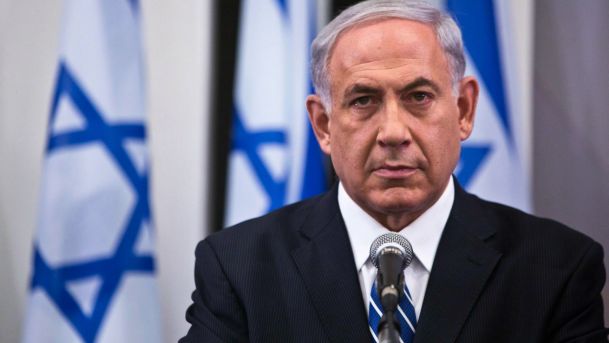
Israeli prime minister Benjamin Netanyahu addressed cohorts of Israel loyalists in the United States by video link last week at the annual conference of Aipac, the American-Israel Public Affairs Committee. They should, he said, follow his government’s example and defend Israel on the “moral battlefield” against the growing threat of the international boycott, divestment and sanctions (BDS) movement. In Netanyahu’s simple-minded language, support for Palestinian rights, and opposition to the settlements, is equivalent to “delegitimisation” of Israel. Jonathan Cook writes that the current obsession with BDS reflects a changing political environment for Israel.

Taha Muhammad Ali is an unlikely dramatic hero. His arms shake with age and infirmity, his legs occasionally buckle, and he often appears lost on stage, as if adrift in a vast expanse of sadness. But for an hour the story of this Palestinian poet has a vice-like hold on our attention and our hearts.

The one-man show Taha receives its English-language premiere on Wednesday at the Kennedy Center for the performing arts in Washington DC. It offers not only a rare chance to learn about one of Palestine’s finest poets, but provides a visceral account of what it was like to live through the Nakba – the Catastrophe that befell hundreds of thousands of Palestinians who were expelled from their homeland in 1948.

Benjamin Netanyahu

Legislation passed by the Israeli parliament on Monday night forbids entry to anyone who supports a boycott, even if it is only of the settlements. Israel has long denied entry to Arabs and deported those such as migrant workers and African asylum seekers who might ‘pollute’ the Jewish state with non-Jewish genes. Now it is openly targeting Jews whose politics do not align with the far-right government of Netanyahu.

In practice there has never been a serious limit on theft of Palestinian land. But now, after passing the “Regularization Bill,” Israeli government support for the plunder will be explicit in law. It will be impossible to blame the outposts on “rogue” settlers, or claim that Israel is trying to safeguard Palestinian property rights.

Israeli Prime Minister Benjamin Netanyahu

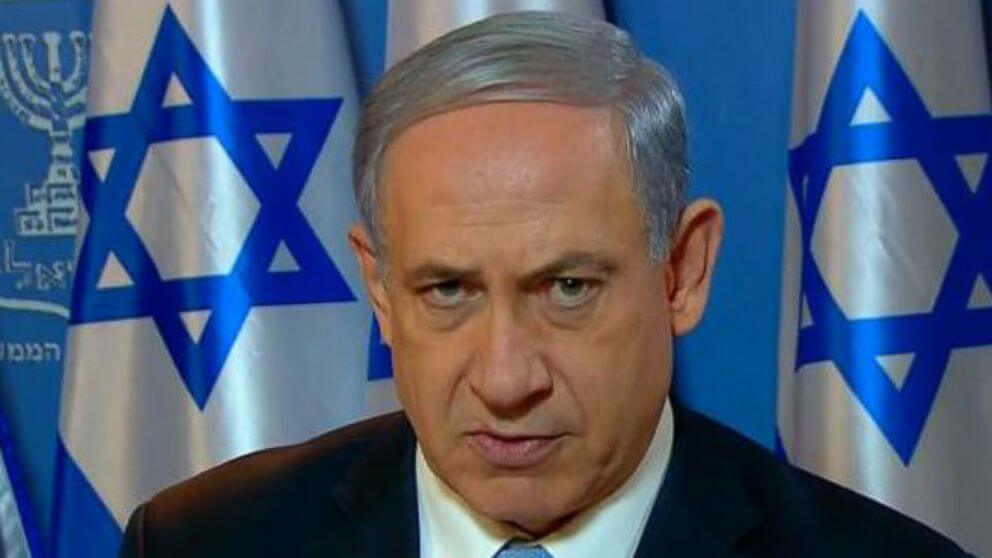
Israeli prime minister Benjamin Netanyahu is in danger of being brought down, possibly soon, over what initially appears to be little more than an imprudent taste for Cuban cigars and pink champagne. In truth, however, the allegations ensnaring Netanyahu reveal far more than his personal flaws or an infatuation with the high life. They shine a rare light on the corrupt nexus between Israel’s business, political and media worlds, compounded by the perverse influence of overseas Jewish money.

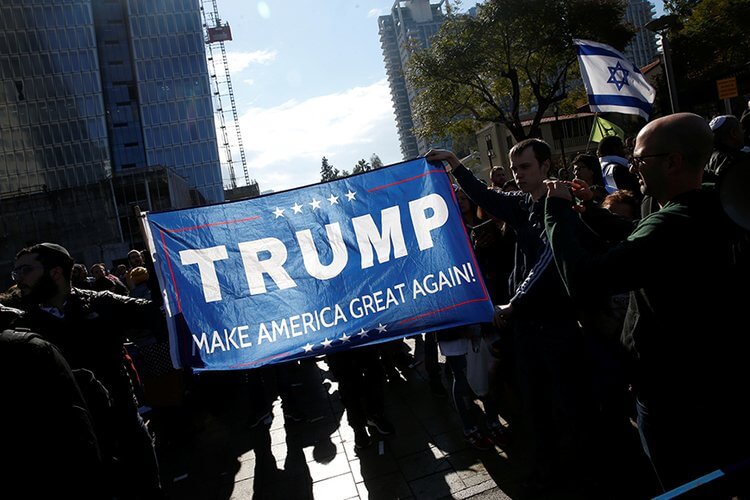
The United Kingdom has Brexit. The United States, an incoming president Trump. And Israel now has Elor Azaria. It may not have the same ring, but ultimately the turning point could prove as decisive. Jonathan Cook writes, “The soldier’s trial, far from proof of the rule of law, was the last gasp of a dying order.”

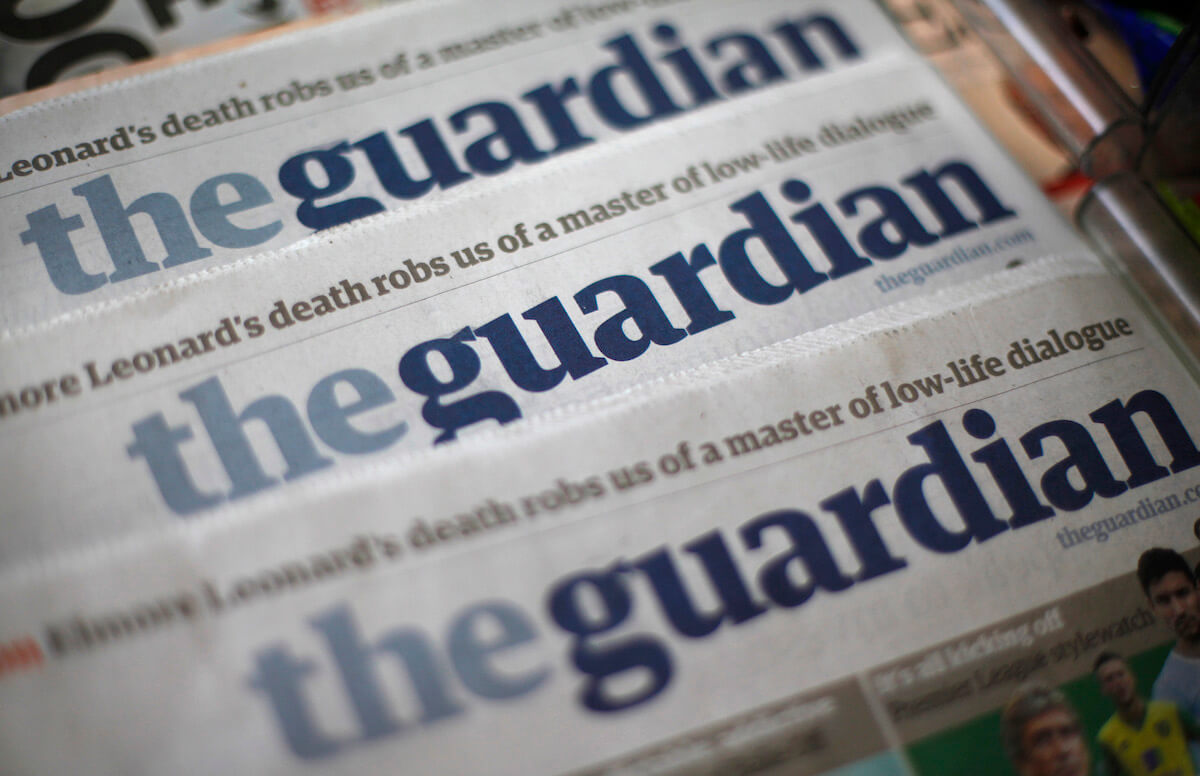
Israel is reported to be ready to expel an award-winning Australian journalist and writer, Antony Loewenstein, after he asked a too-probing question of an Israeli politician at a media event last week. It is unsurprising to learn that Israel has no serious regard for press freedom. But more depressing has been the lack of solidarity shown by journalistic colleagues, most especially the Guardian newspaper, for which he has regularly worked as a freelancer since 2013. Not only has the paper failed to offer him any support, but its management and staff reporters have hurried to distance themselves from him.

This month, Israeli military authorities published a video on social media publicizing Palestinian attractions in the West Bank. At first glance, it looked like a generous promotional stunt by Israel to aid the Palestinians’ struggling tourism industry. But the deception at the campaign’s heart operates on several levels – and reveals much about Israel’s long-term policy towards the Palestinians.

Prime minister Benjamin Netanyahu declared his support this month for the so-called “muezzin bill”, claiming it was urgently needed to stop the dawn call to prayer from mosques ruining the Israeli public’s sleep. But the one in five of Israel’s population who are Palestinian, most of them Muslim, and a further 300,000 living under occupation in East Jerusalem, say the legislation is grossly discriminatory. Haneen Zoabi says legislation is not about “the noise in [Israeli Jews’] ears but the noise in their minds”. Their colonial fears, she said, were evoked by the Palestinians’ continuing vibrant presence in Israel – a presence that was supposed to have been extinguished in 1948 with the Nakba, the creation of a Jewish state on the ruins of the Palestinians’ homeland.