Author

Jonathan Cook

Browsing
Benjamin Netanyahu

Netanyahu wants to deflect attention from a French peace plan by pushing a “regional peace summit” based on the Arab Peace Plan of 2002, which promised Israel normal relations with the Arab world in return for ending the occupation. Israel’s sudden interest in the plan is odd, given that it has not been discussed in cabinet since the Saudis unveiled it 14 years ago. In truth, Netanyahu backs the idea because he knows reaching a region-wide agreement would be impossible with the Middle East in turmoil.


Naftali Bennett, likely new Prime Minister in Israel. (Photo: spokesperson of the Ministry of Economy)

In a surprise move, Israeli prime minister Benjamin Netanyahu last week forced out his long-serving defense minister, Moshe Yaalon. As he stepped down, Yaalon warned: “Extremist and dangerous elements have taken over Israel.” He was referring partly to his expected successor, Avigdor Lieberman, and Israeli commentators pointed out that the new government will be the most extreme in Israel’s history. Less noticed however has been the gradual and parallel takeover of Israel’s security institutions by those espousing the ideology of the settlers – known in Israel as the national-religious camp.

One might expect that only historians would care to revisit the 1948 war that created Israel. And yet the debate about what constitutes truth and myth from that period still provokes raw emotions. That is why the unearthing of an Israeli soldier’s letter from 1948 detailing what was probably the war’s worst massacre – one long buried by Israel – is of more than historical significance.

While Europe may think of itself as part of an enlightened West, using aid to defend Palestinians’ rights, the reality is less reassuring. The aid may actually be making things significantly worse. Shir Hever, an Israeli economist who has spent years piecing together the murky economics of the occupation, recently published a report that reaches a shocking conclusion – at least 78 per cent of humanitarian aid intended for Palestinians ends up in Israel’s coffers.

Israel’s large Palestinian minority held its first-ever conference on BDS – boycott, divestment and sanctions – this past weekend in spite of anti-boycott legislation introduced five years ago that exposes activists in Israel to harsh financial penalties. One participant called it a sign that the Palestinian minority was slowly emerging from the law’s “reign of terror”.

Benjamin Netanyhu’s government is drafting legislation that ought to resolve in observers’ minds the question of whether Israel is the democracy it proudly claims to be. It breathes new life into the phrase “tyranny of the majority”. But in this case, the majority will be Jewish MPs oppressing their Palestinian colleagues.

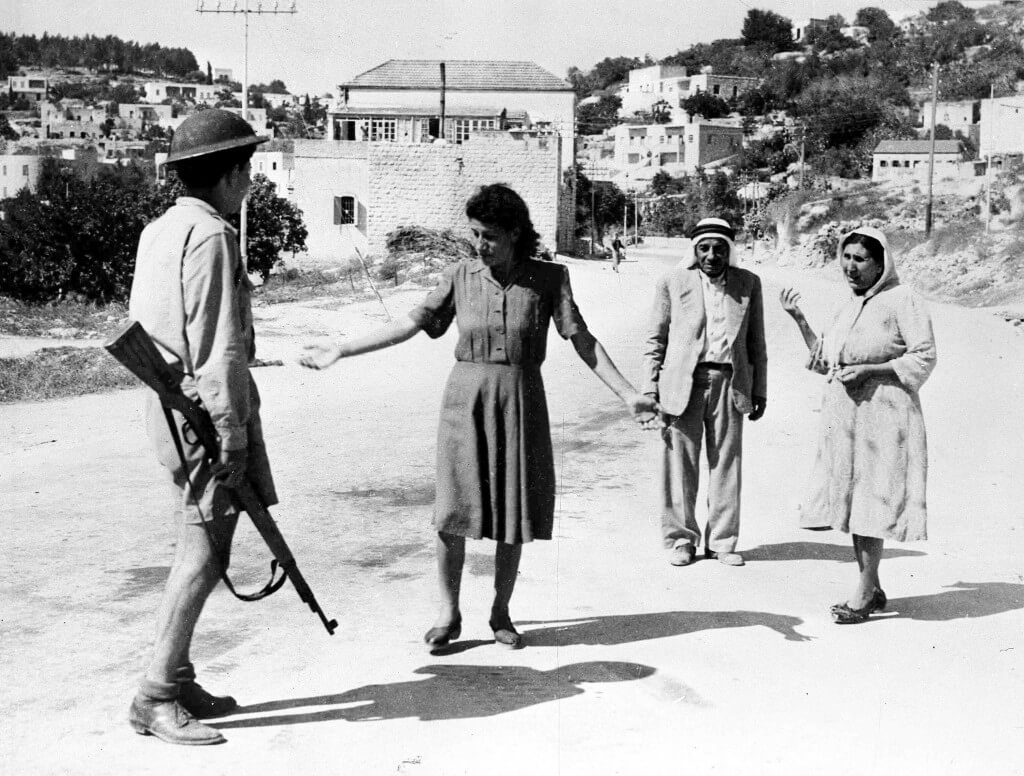
A rarely told story of the 1948 war that founded Israel concerns Nazareth’s survival. It is the only Palestinian city in what is today Israel that was not ethnically cleansed during the year-long fighting. Nazareth was not only an anomaly; it was a mistake. The reason for Nazareth’s survival are the actions of one individual. Ben Dunkelman, a Canadian Jew who was the commander of the Israeli army’s Seventh Armoured Brigade, disobeyed orders to expel Nazareth’s residents. Dunkelman’s role has been largely obscured in the historical record – and for good reason. Israel would prefer that observers make an unjustified assumption: that “Christian” Nazareth survived, unlike other Palestinian cities, because its leaders were less militant or because they preferred to surrender. Dunkelman’s story proves that was not the case.

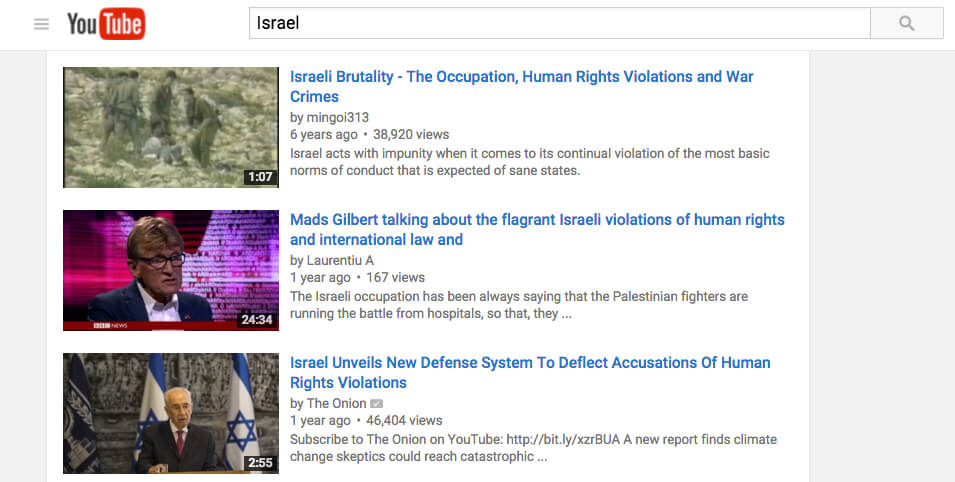
Tzipi Hotovely, Israel’s deputy foreign minister, headed off to Silicon Valley to meet senior executives at Google and its subsidiary YouTube late last month. Her task was to persuade them that, for the sake of peace, they must censor the growing number of Palestinian videos posted on YouTube.