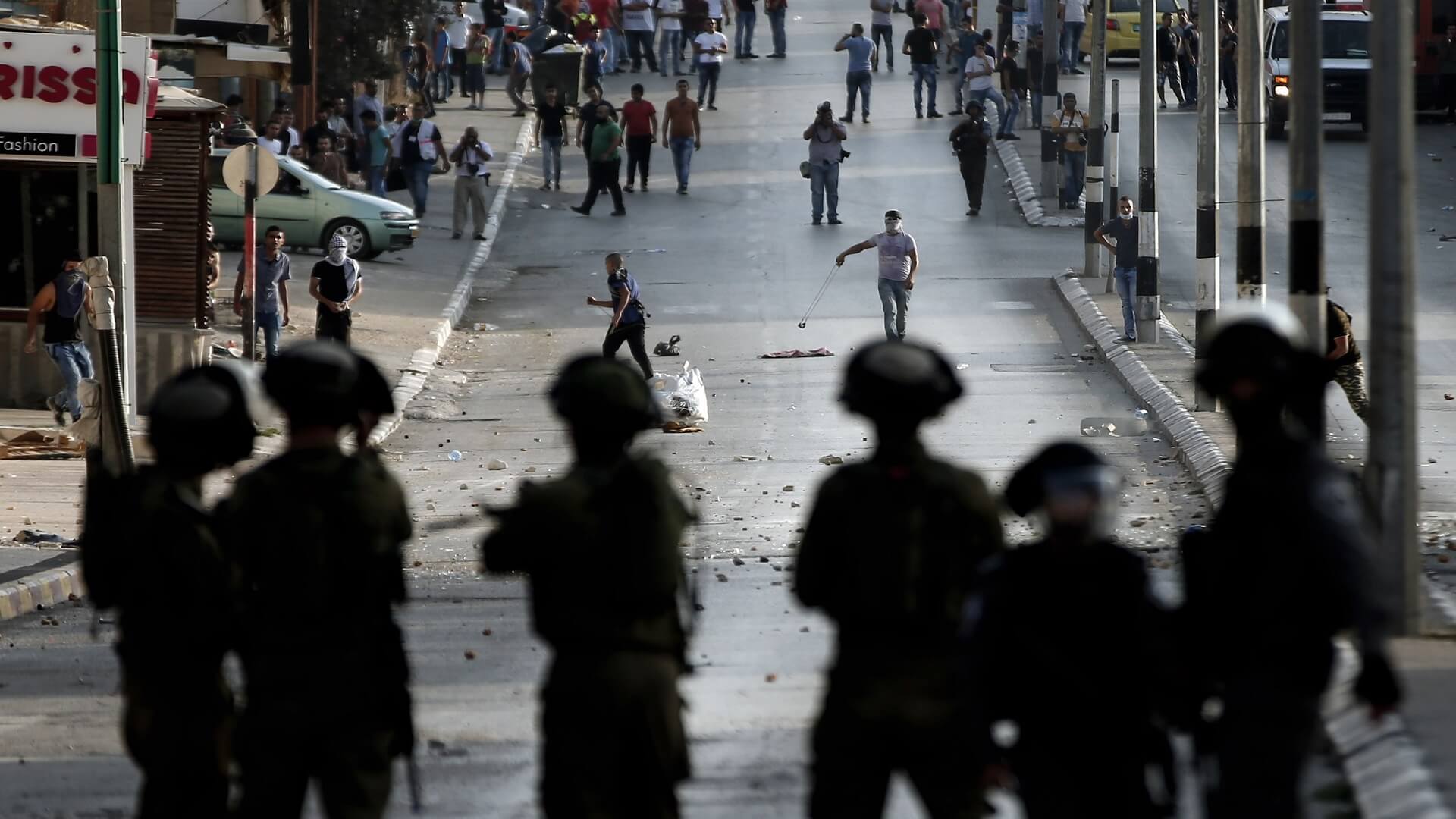
The current unrest may recede, but more waves of protest of ever greater intensity are surely not far behind. Jafar Farah, a Palestinian leader in Israel, has warned of it heading slowly from a national conflict into a civil war, one defined by the kind of debased one-state solution Israel is imposing. The chaotic violence of the past weeks looks like a warning from the future – a future Israel is hurtling towards.
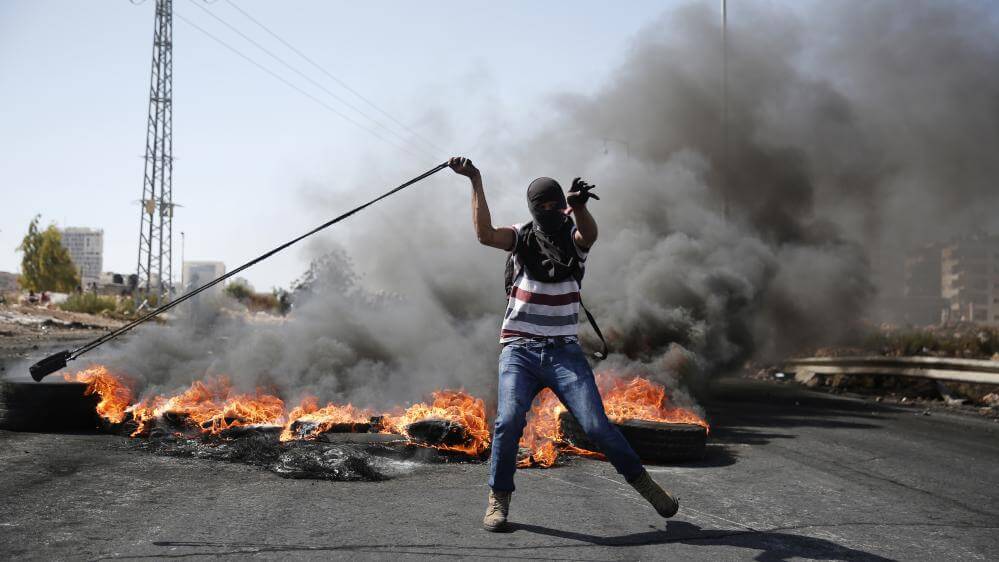
The situation at al-Aqsa has come to symbolize in painful microcosm the Palestinian story of dispossession. Israeli prime minister Benjamin Netanyahu is betting that greater force will win, but Jonathan Cook says Palestinian youths will continue reaching for the humble stone, exerting what little power they have against a modern Goliath.
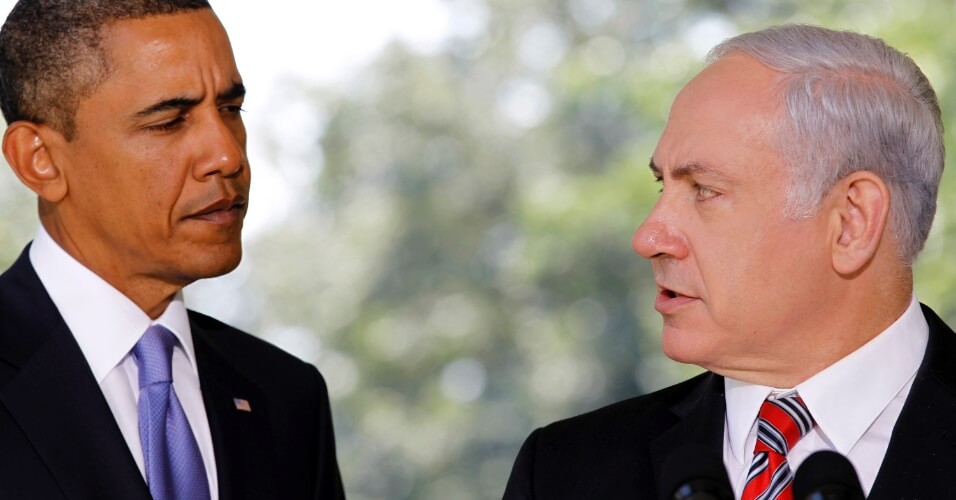
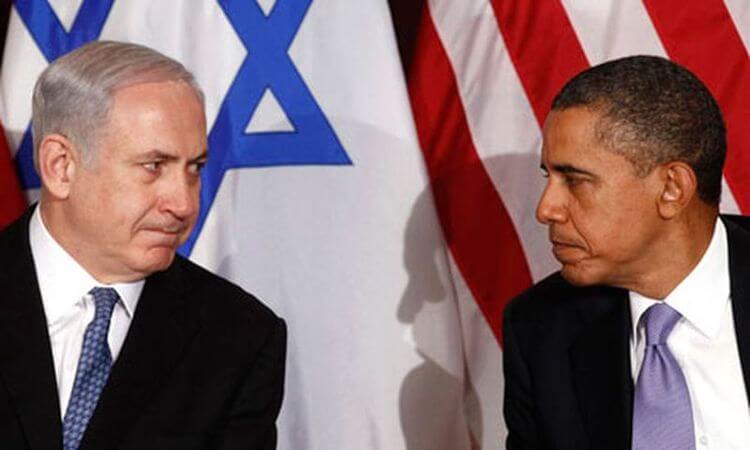
Why has Benjamin Netanyahu fought a doomed battle on Iran to the bitter end, further damaging Israel’s already frayed ties with Washington? Last week the Israeli media quoted sources close to Netanyahu saying he knew he would lose on the Iran deal from the outset but carried on regardless with a goal of convincing the American public. Netanyahu’s current bluster seems aimed less at the nuclear deal than at President Obama himself. Perhaps Netanyahu hopes to turn the Iran issue into a doomsday electoral weapon against the Democrats, helping to clear the path into the White House next year for a Republican.
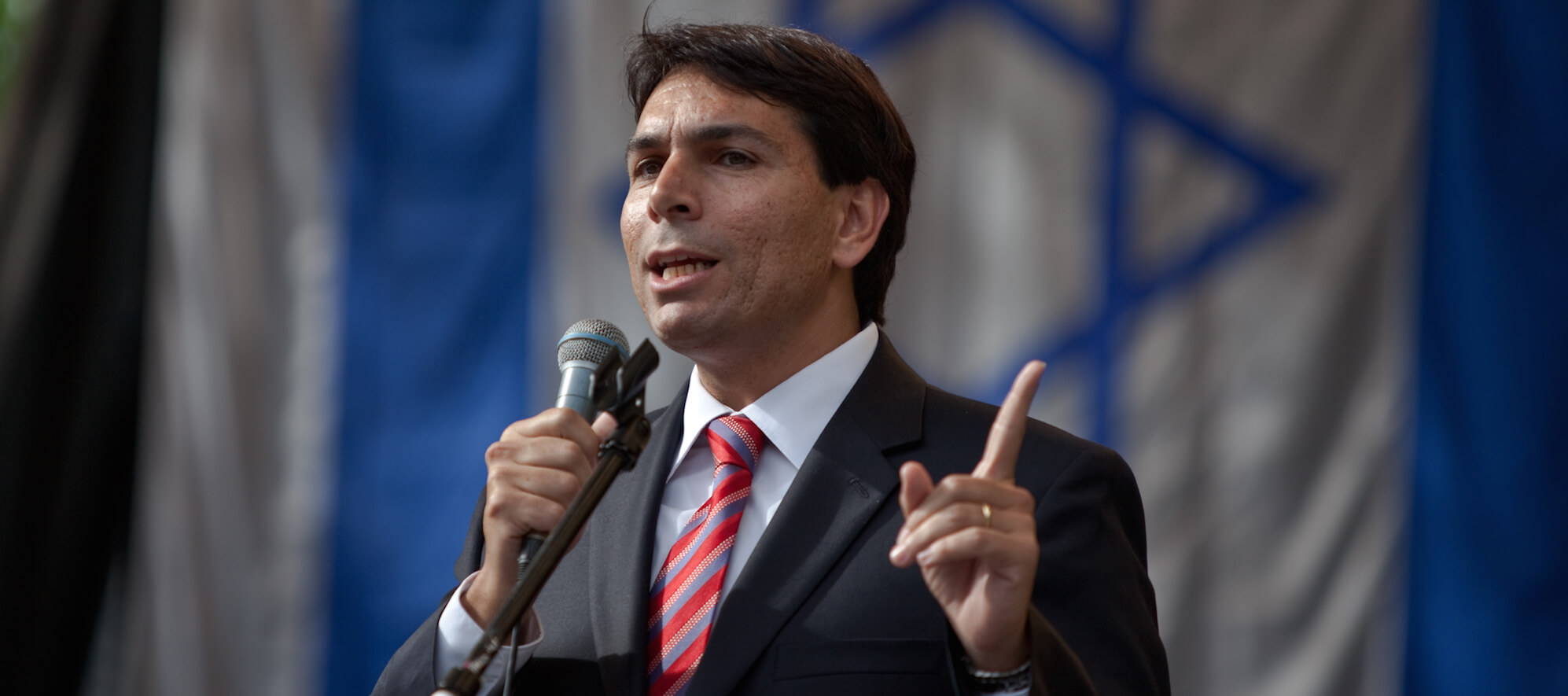
The appointment by Israeli prime minister Benjamin Netanyahu of Danny Danon as Israel’s new ambassador to the United Nations has prompted widespread consternation. It is part of a discernible pattern of recent appointments by Netanyahu that reflect a growing refusal to engage in any kind of recognisable international diplomacy. Confrontation is preferred.
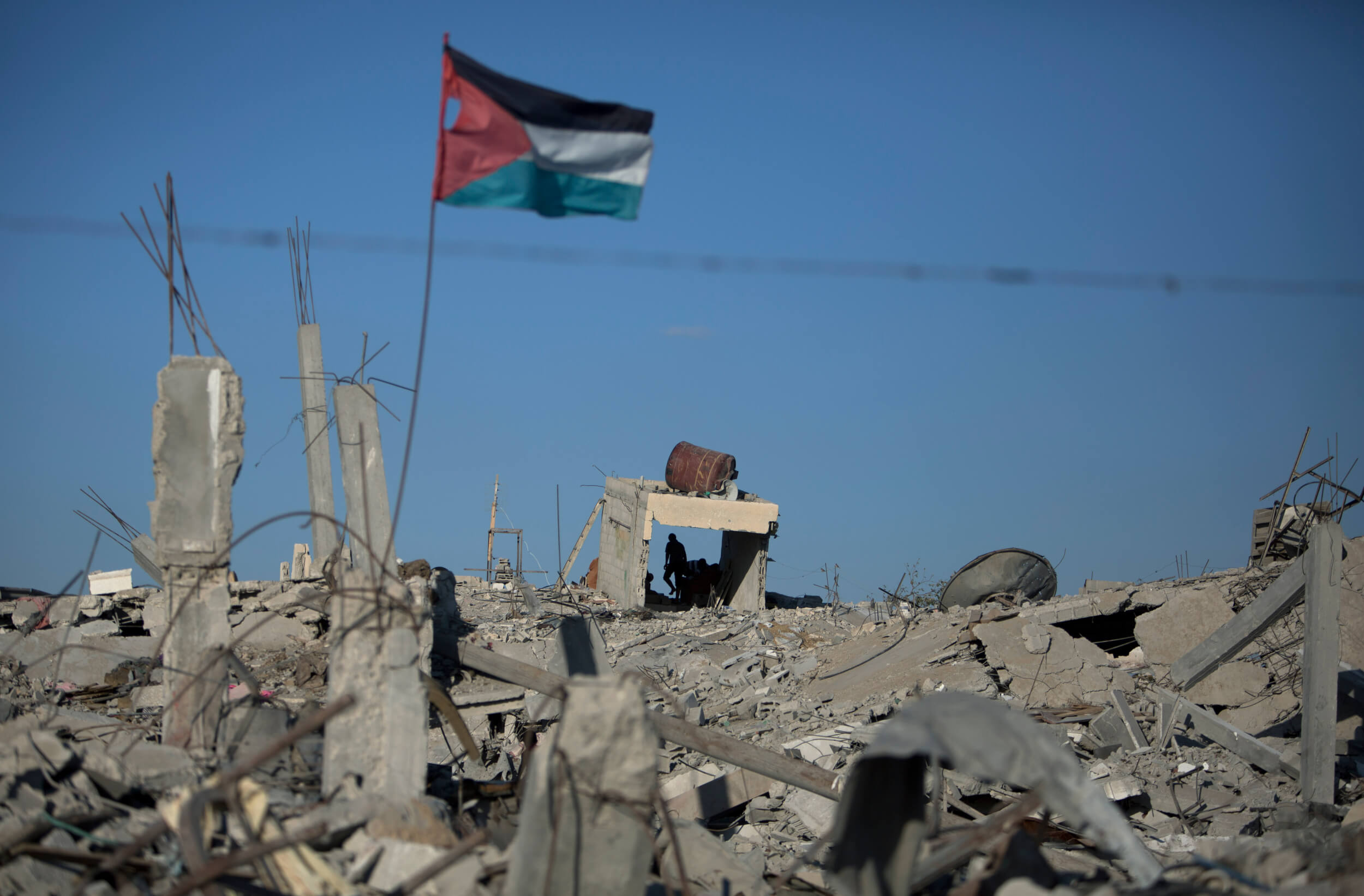
For those trying to read developments between Israel and Gaza over the past weeks, the picture has been unusually puzzling. Does Israel want Hamas weakened or strengthened?
Two recent reports suggest that Israel could face catastrophic consequences if it fails to end the mistreatment of Palestinians under its rule, whether in the occupied territories or in Israel itself.
Only a few weeks into Benjamin Netanyahu’s new government, the intense strain of trying to square its members’ zealotry with Israel’s need to improve its international standing is already starkly evident. While the US tries to reach a deal on Iran’s nuclear programme and revive peace talks between the Palestinians and Israel – however futile such a process may be – Israeli ministers will be in a contest to see who can make most mischief. The irony is that, just as the White House gears up for another 18 months of humiliation and sabotage from Netanyahu and his government, Obama is showering Israel with gifts, as part of its long-standing “security” doctrine.
Israel’s prime minister, Benjamin Netanyahu, was quick to congratulate Israeli soldiers on their relief efforts in Nepal, where an earthquake late last month claimed many thousands of lives. However, Israel’s humanitarian concern for the victims of disasters looks more cynical when set alongside its record once the TV cameras depart.
The question of punishing illegal settlements in occupied Palestinian territory was considered separately in Europe and Israel last week, with only superficial differences in the conclusions reached. Israel’s near half-century occupation is in no immediate danger, either at home or abroad.
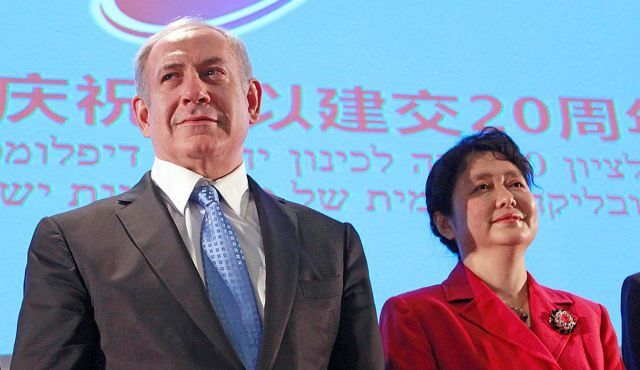
As Israel’s relations in the US and Europe falter, Benjamin Netanyahu has begun looking elsewhere for economic – and ultimately political – patrons. Netanyahu announced last month that he was courting trade with China, India and Japan and last year Israel did more trade with these Asian countries than with the US — much of it focused on the burgeoning arms market. Israel hopes to convert Chinese and Indian dependency on Israeli armaments into diplomatic cover. One day Israel may be relying on a Chinese veto at the UN, not a US one.