Occupation at work: A Palestinian family fights religious settlers who try and build a synagogue on their land. Now the settlers send the family a bill for $22,000 in property taxes, more than they earn in years. From Jonathan Cook.
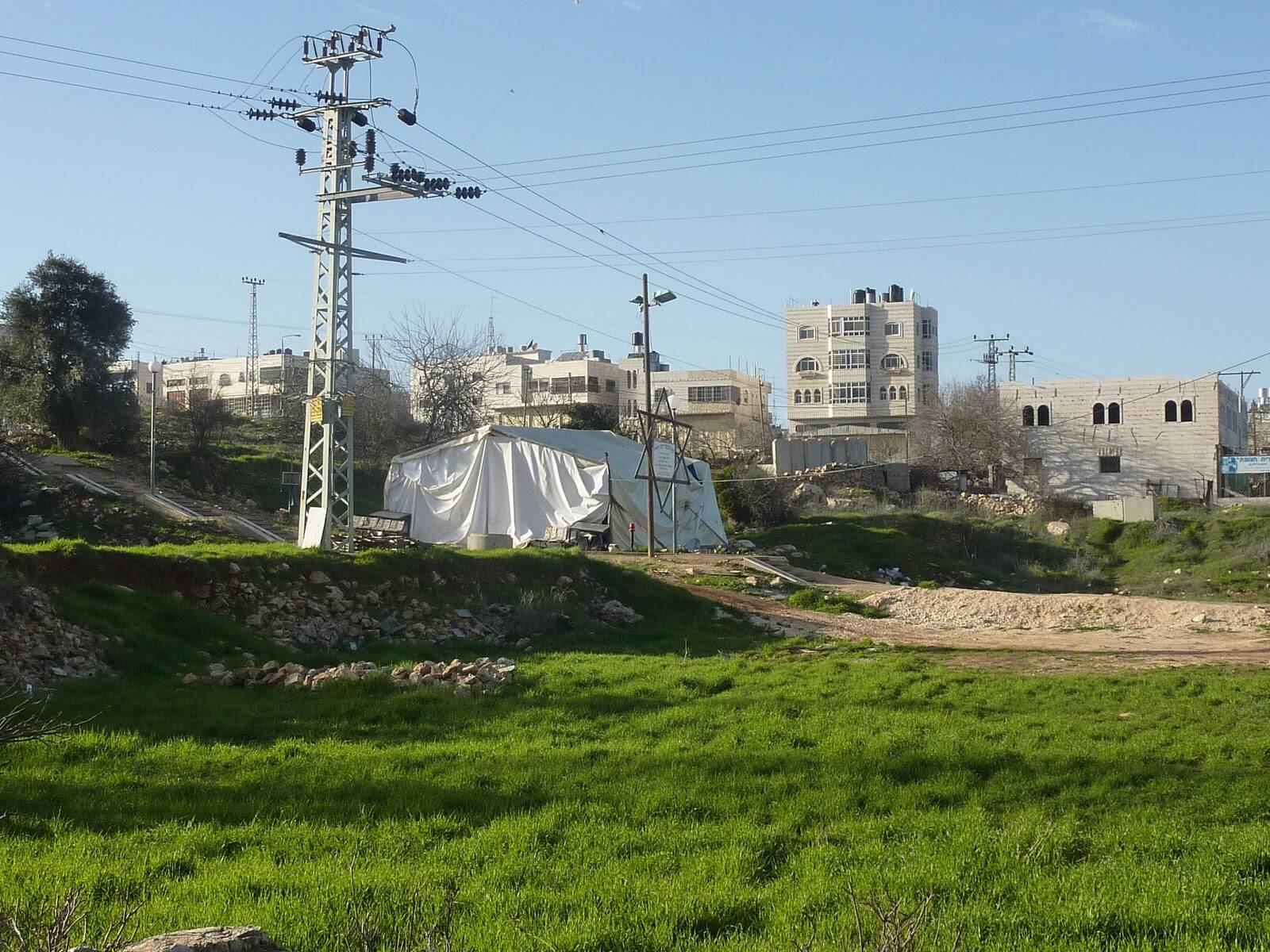

Occupation at work: A Palestinian family fights religious settlers who try and build a synagogue on their land. Now the settlers send the family a bill for $22,000 in property taxes, more than they earn in years. From Jonathan Cook.
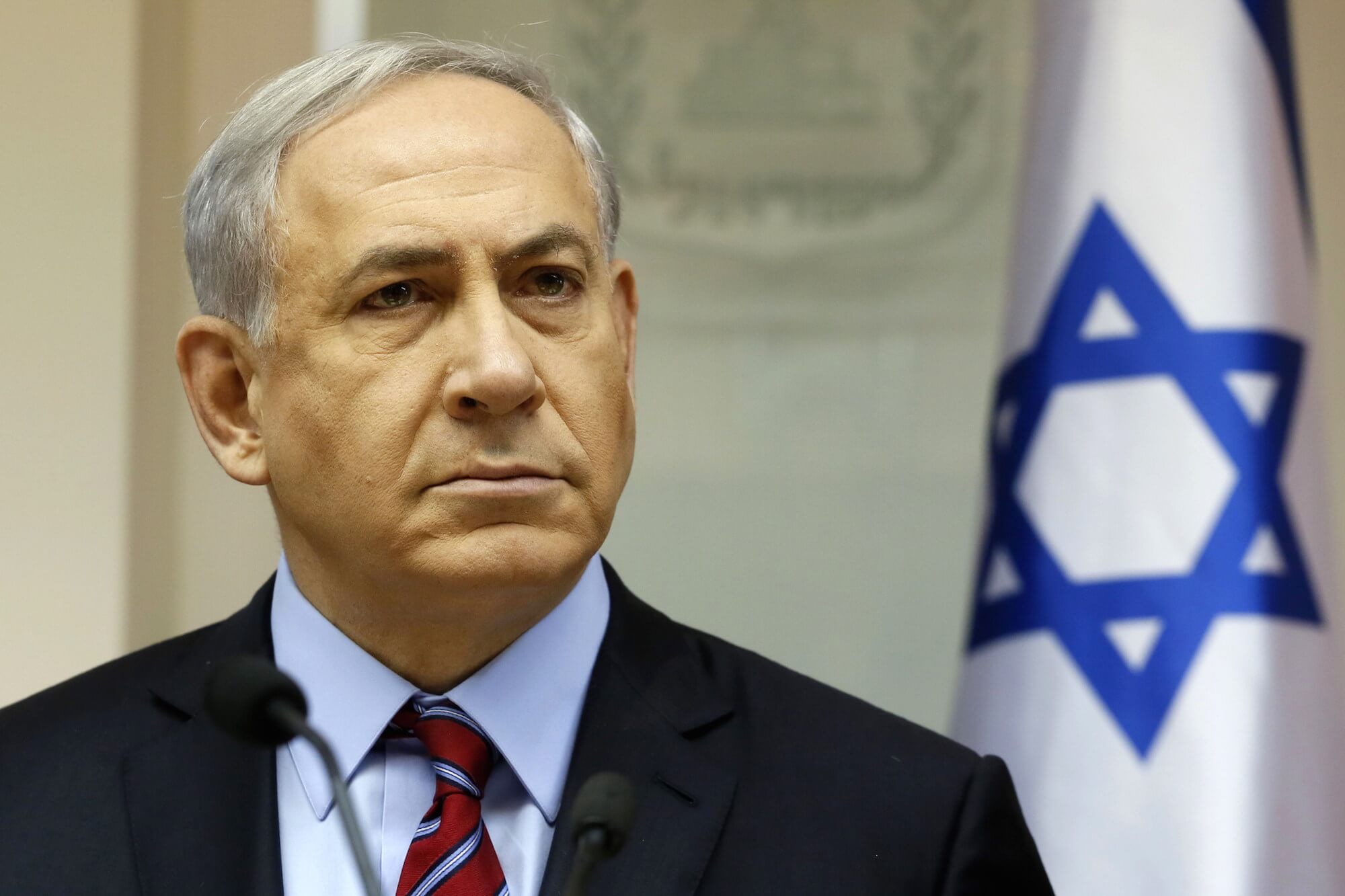
In calling for Jews to flee after the Paris attacks, Netanyahu is bolstering the dangerous arguments of Europe’s far-right. One Israeli commentator noted pointedly that Israeli politicians like Netanyahu were helping to “finish the job started by the Nazis and their Vichy collaborators: making France Judenrein.”
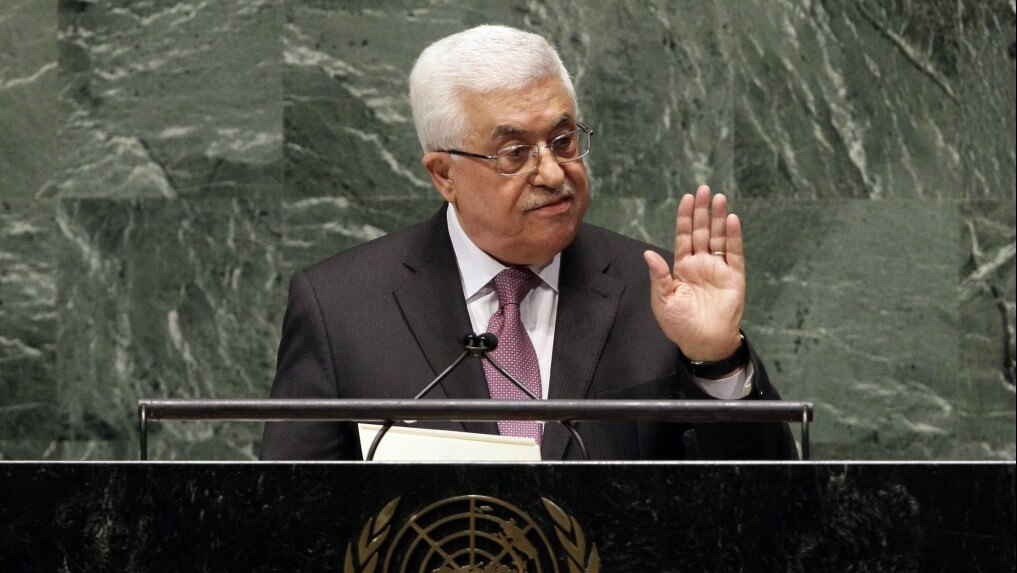
The door to the Hague may be open, but Abbas is in no hurry to venture through it.

The floodgates have begun to open across Europe on recognition of Palestinian statehood. On Friday the Portuguese parliament became the latest European legislature to call on its government to back statehood, joining Sweden, Britain, Ireland, France and Spain. But while Europe is tentatively finding a voice in the Israeli-Palestinian conflict, silence reigns across the Atlantic. The White House appears paralysed, afraid to appear out of sync with world opinion but more afraid still of upsetting Israel and its powerful allies in the US Congress.

Relations between Israelis and Palestinians have descended into a dangerous melee of tit-for-tat attacks and killings, with the violence of the past few weeks centred on Jerusalem. The city, claimed by Israel as its “undivided capital”, has been torn apart by clashes between Israeli police and Palestinian residents since the summer, when 16-year-old Mohammed Abu Khdeir was burnt alive by Jewish extremists. Subsequent attacks by Palestinians culminated last week in a shooting and stabbing spree by two cousins at a synagogue that killed four Jews and an Israeli policeman. In this atmosphere, both sides have warned that the political conflict is mutating into a religious one. By refusing to recognise any Palestinian national claims in Jerusalem, Netanyahu has forced the population to recast the conflict in religious terms. Unable to identify politically with either Fatah or Hamas, Jerusalem’s Palestinians have found powerful consolation in a religious struggle to counter the mounting threats to Al-Aqsa.
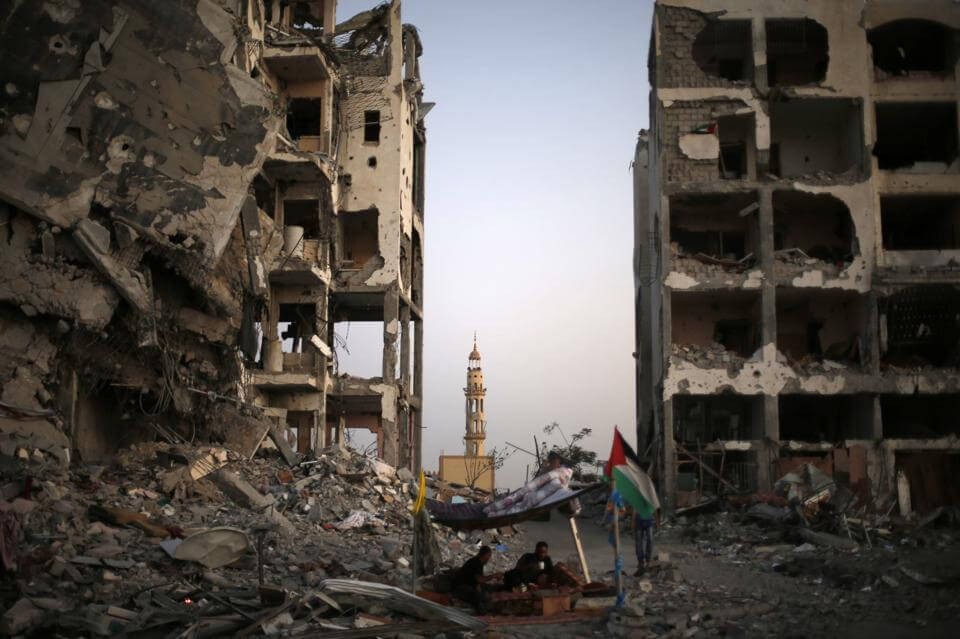
It is astonishing that the reconstruction of Gaza, bombed into the Stone Age has tentatively only just begun two months after the end of the fighting. According to the United Nations, 100,000 homes have been destroyed or damaged, leaving 600,000 Palestinians – nearly one in three of Gaza’s population – homeless or in urgent need of humanitarian help. Aid agency Oxfam warns that at the current rate of progress it may take 50 years to rebuild Gaza. Where else in the world apart from the Palestinian territories would the international community stand by idly as so many people suffer – and not from a random act of God but willed by fellow humans? The reason for the hold-up is, as ever, Israel’s “security needs”. Gaza can be rebuilt but only to the precise specifications laid down by Israeli officials.
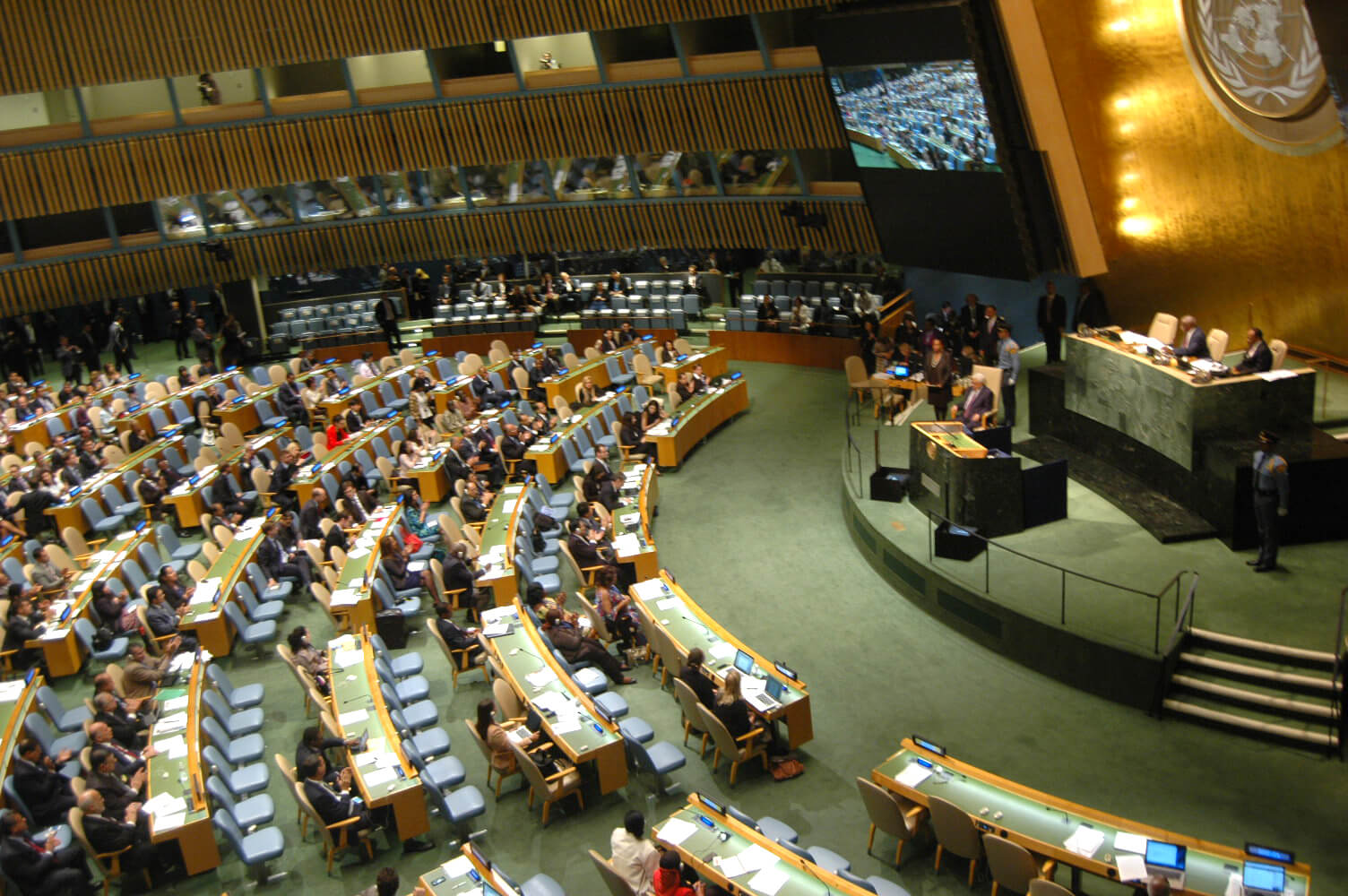
Mahmoud Abbas’s use of the word “genocide” for Israel may not have been helpful given popular conceptions of the word but we need a word to describe the incremental destruction of Palestinian communities. The late Baruch Kimmerling invented a word, “politicide”.
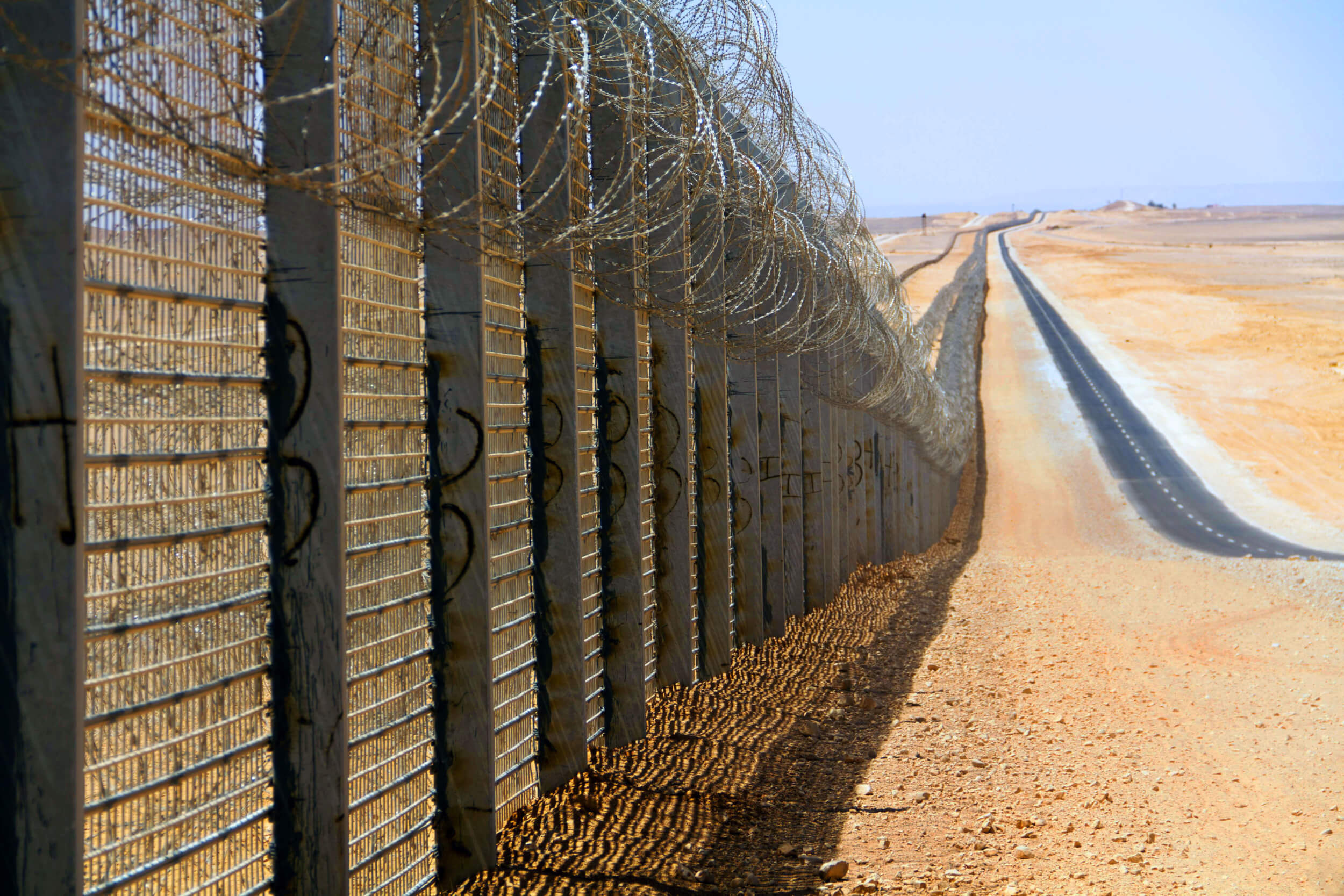
What is Israel’s endgame in Gaza? It is a question that has been puzzling analysts and observers for some time. But indications of the future Israel and Washington may have in mind for Gaza are emerging. Reports in the Arab and Israeli media – in part corroborated by the Palestinian president, Mahmoud Abbas – suggest that Egypt may be at the heart of plans to solve the problem on Israel’s behalf. This month the Israeli media reported claims, apparently leaked by Israeli officials, that Egypt’s president, Abdel Fattah al-Sisi, had offered the Palestinian leadership the chance to annex to Gaza an area of 1,600 sq km in Sinai. The donated territory would expand Gaza fivefold. The scheme is said to have received the blessing of the United States.

A letter signed by 43 veterans of an elite Israeli military intelligence unit declaring their refusal to continue serving the occupation has sent shockwaves through Israeli society. But not in the way the soldiers may have hoped.
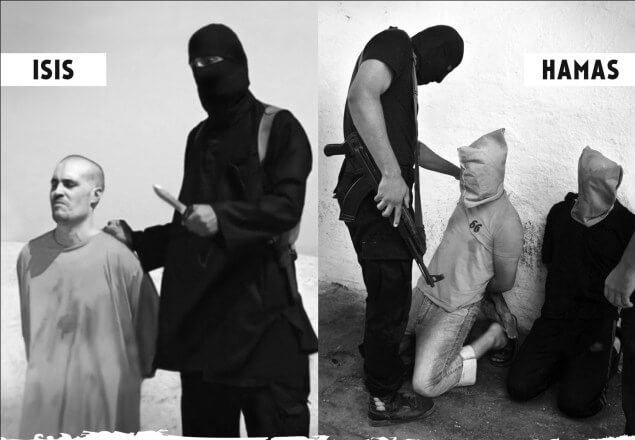
Netanyahu’s depiction of Hamas and ISIS, or Islamic State, as “branches of the same poisonous tree” is a travesty of the truth. The two have entirely different – in fact, opposed – political projects. ISIS wants to return to a supposed era of pure Islamic rule, the caliphate, when all Muslims were subject to God’s laws (sharia). Given that Muslims are now to be found in every corner of the globe, the implication is that ISIS ultimately seeks world domination. Hamas’s goals are decidedly more modest. It was born and continues as a national liberation movement, seeking to create a Palestinian state. Its members may disagree on that state’s territorial limits but even the most ambitious expect no more than the historic borders of a Palestine that existed a few decades ago. ISIS aims to sweep away Palestine and every other Arab state in the region.