Author

Kate

Browsing

UN documents: After a three-year decline, settler violence has been on the rise during the first half of 2017. During this period, UN documented 89 incidents attributed to Israeli settlers resulting in Palestinian casualties (33 incidents) or in damage to Palestinian property (56 incidents). On a monthly average, this represents an increase of 88 per cent compared with 2016.

Palestinians can no longer carry laptops and certain other electronics through the pedestrian Erez crossing from Gaza into Israel, according to the Israeli NGO Gisha. While cuts of Gaza electricity are threatening the work of Gaza’s many internet entrepreneurs, Electronic Intifada reports.

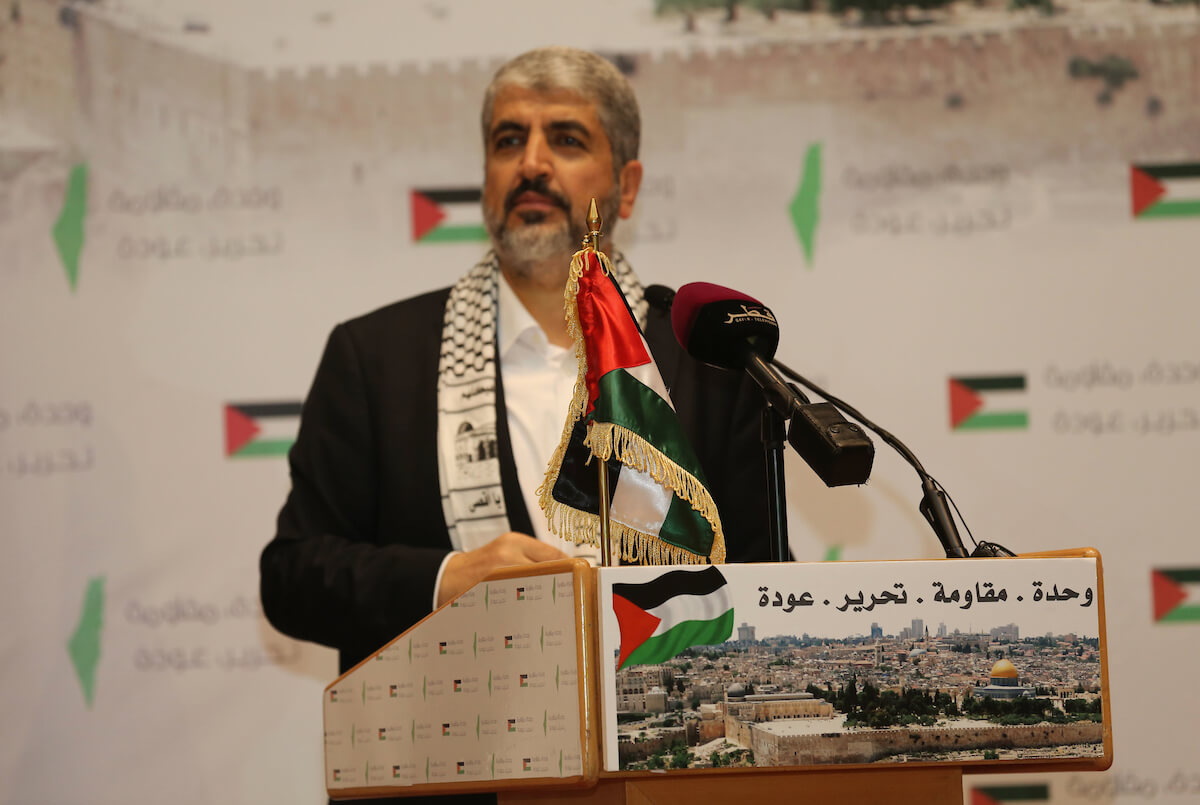
In the wake of the Gulf crisis, Hamas leaders left Qatar and are looking for a new base for their foreign headquarters. Al-Monitor reports, Algeria is likely the group’s next move, “The Saudi-backed Asharq Al-Awsat newspaper reported July 17 that Hamas is searching for a foothold in Algeria to shelter its officials who left Qatar in early June. Algeria received an official request from Hamas to establish a representative office for the movement on its territories, but it has yet to respond.”

Haaretz profiles women from the former USSR who married men from Gaza and moved to the besieged Strip to raise families, Elena Hamida, from the Ukraine, tells Haaretz, “she loves Gaza. ‘I’ve gotten used to it, as far as I am concerned everything here is fine. The only thing I don’t like is that it’s impossible to leave [the Gaza Strip].” What about the electricity? “You can live without electricity. It used to be hard, now it’s alright. But I don’t want to return to Ukraine. There’s a war there, too, and I have children, I worry. There are those gangs there I am afraid that my boy would become a junkie, or start drinking. There, I simply would not be able to keep an eye on them. If it’s one child it’s possible, but not three. One of them for sure would find himself in bad company.’ And in Gaza that can’t happen? ‘Here it’s possible to keep an eye on them. There, I would not be able to do that.”

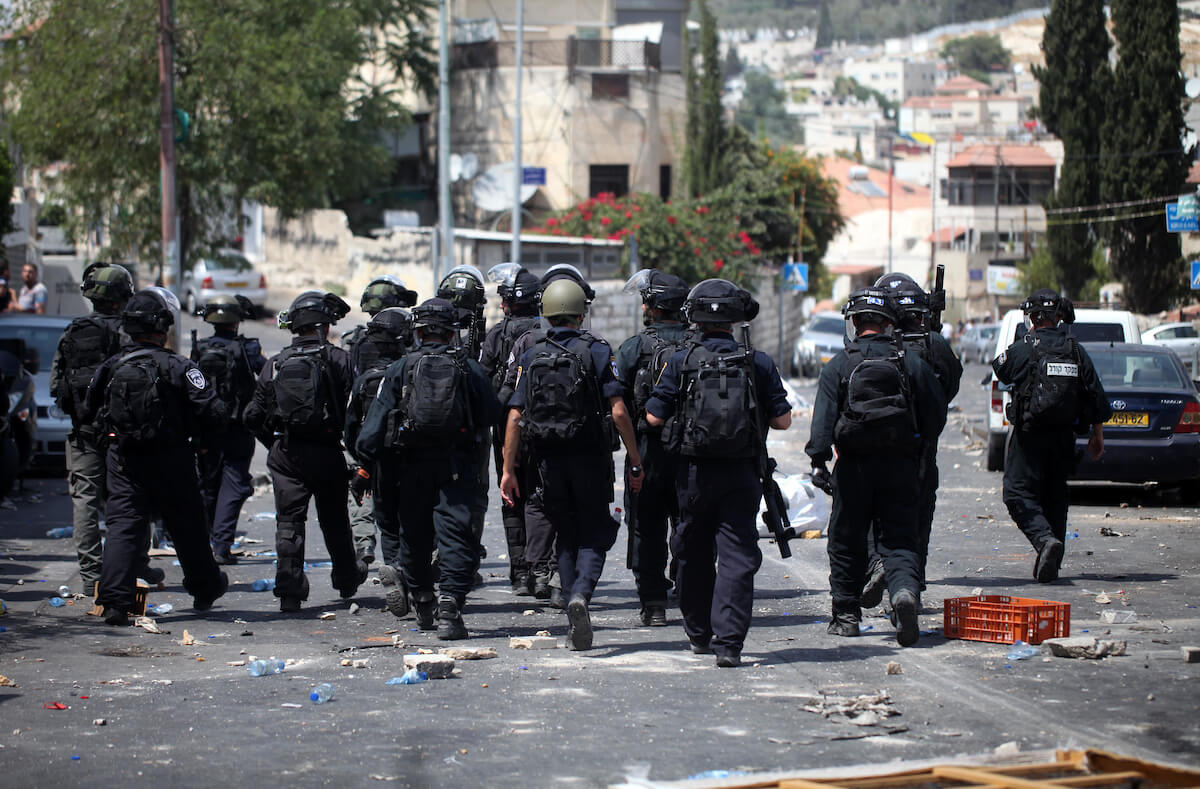
Muhammad Abu Ghanam, 20, a student at Bir Zeit University, was shot by Israeli forces during demonstrations in East Jerusalem and died in al-Makassed hospital. A crowd of Palestinian men hauled his body in bloodied sheet over the hospital walls to prevent Israeli forces from doing what they often do, confiscating demonstrators’ bodies. Abu Ghanam had a funeral shortly after.

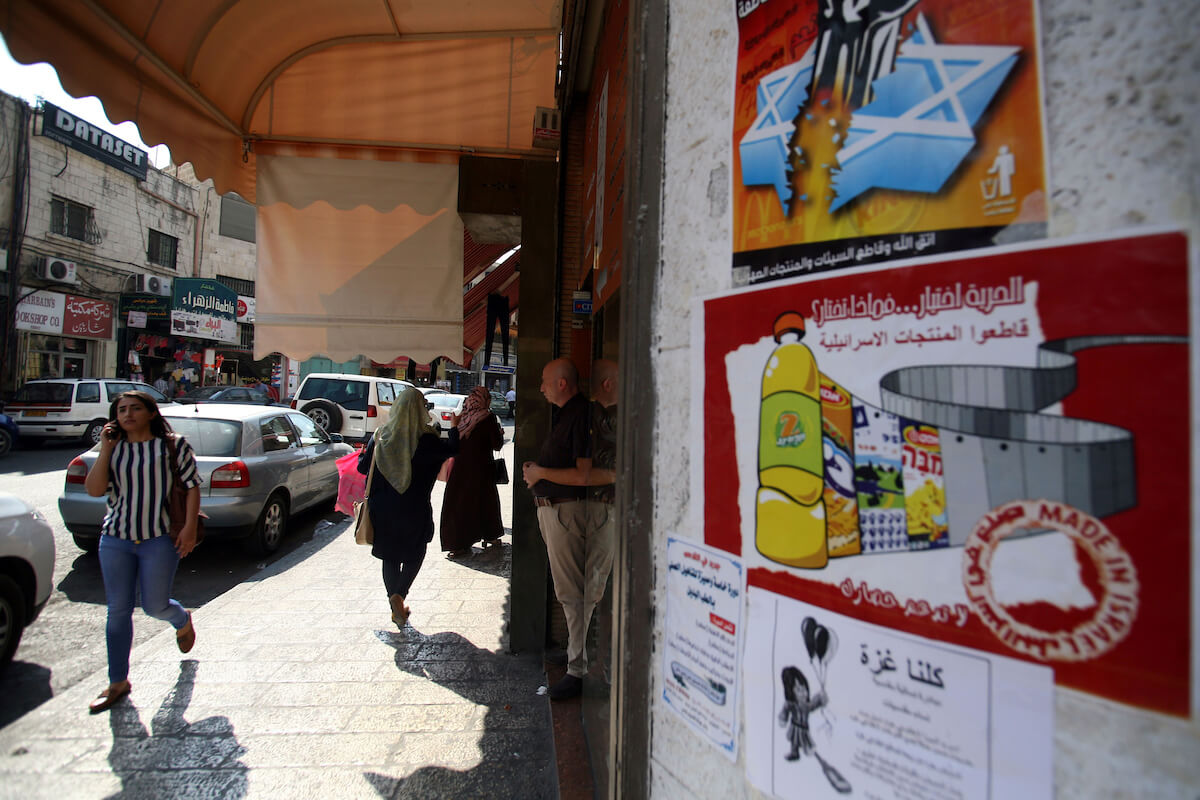
Israel advances a law that will make secret its operations to suppress the movement for boycott, divestment, and sanctions (BDS) against Israel, Public Security Minister Gilad Erdan said the law would exempt government agencies from complying with FOIA requests that could reveal its fight against BDS, and its overseas civilian partners that seek to hide their relationship with the Israeli government.

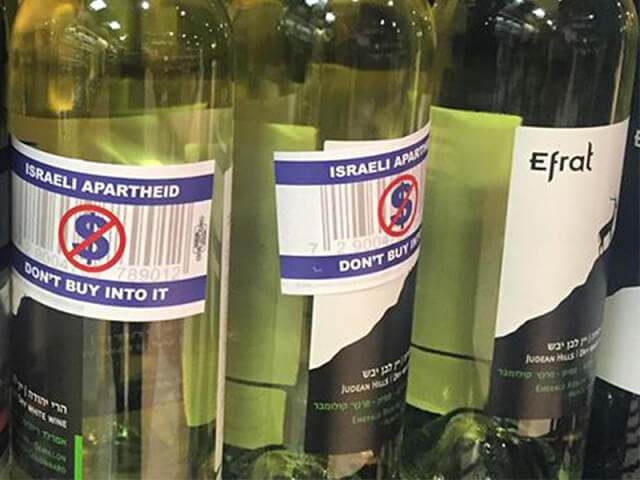
Activist labels pasted across wine produced in the West Bank Israeli settlement of Efrat, originally labeled as "made in Israel." (Photo: Facebook/Canadian Jewish News)

The Times of Israel reports, “Canadian food inspectors have ordered liquor stores to stop selling wines made in the West Bank, saying their label identifying them as Israeli contravenes Ottawa’s policy on the territory … News of the order emerged with the issue of a letter Tuesday from the Liquor Control Board of Ontario to liquor vendors, detailing the ruling by the Canadian Food Inspection Agency a week earlier ‘that ‘Product of Israel’ would not be an acceptable country of origin declaration for wine products that have been made from grapes that are grown, fermented, processed, blended and finished in the West Bank occupied territory.’ The ruling extended to wines from ‘any other territory occupied by Israel in 1967’ that carried such a label, which would be ‘considered misleading,’ specifically mentioning the Golan Heights, East Jerusalem and Gaza, as well as the West Bank.”