Author

Robert A.H. Cohen

Browsing

Rabbi Jonathan Sacks is applying Jewish myth, scripture, and ancient history to a highly political Jewish agenda– defending Zionism– that’s become enthralled to secular ideas of power. Calling anti-Zionism antisemitism is not a lesson in Jewish history, it’s an exercise in the delegitimisation of another people’s historic experience.


A new documentary called WitchHunt points out the narrow room for debate over alleged antisemitism in the British Labour Party. Anti-Zionist Jews are excluded as unrepresentative of British Jews. And why is it okay to talk about antisemitism and Zionism in Britain without asking a Palestinian what their direct experience of Zionism has looked and felt like?

Robert Cohen, British anti-Zionist, is accused of being a “champagne boycotter,” because he urges boycott of Israel while using computer products from companies heavily invested in Israel. But BDS doesn’t target Intel, because it has a virtual global monopoly and thus a boycott would not succeed. The real hypocrisy is talking up human rights and opposition to nukes while enforcing an apartheid system and secretly holding nukes.

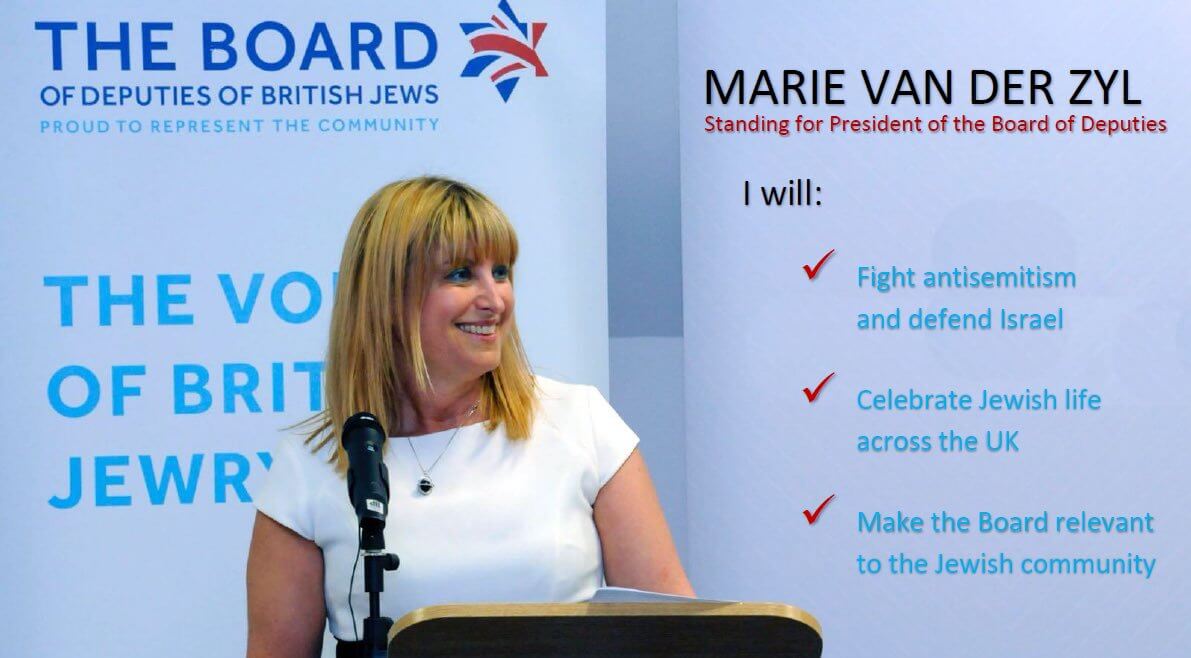
After British Quakers took the deliberate step of divesting from the occupation, in a tradition of boycotting slave goods and supporting black struggle for civil rights, Marie van de Zyl of the British Board of Deputies accused Quakers of anti-Semitism for obsessing on “the only Jewish state – despite everything else going on around the globe.”

There are lots of good reasons to think the International Holocaust Remembrance Alliance’s (IHRA) definition of anti-Semitism, now adopted “in full” by Labour’s national committee and by Labour MPs, is, well, a bit rubbish, writes Robert Cohen: “The truth of the matter is, the Jewish community can no longer define ‘Zionism,’ or indeed ‘anti-Semitism,’ without the help of Palestinians.”