The death of 14-year-old Osama Sarsak reflects the perilous conditions in which many Gazans find themselves.
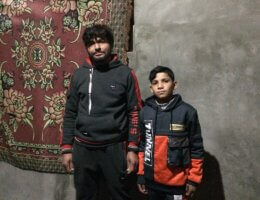

The death of 14-year-old Osama Sarsak reflects the perilous conditions in which many Gazans find themselves.
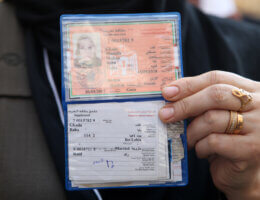
3,400 Gazans received their national Palestinian ID cards for the first time following a rare approval from the Israeli government, which controls the Palestinian population registry in the occupied territory, and has put a freeze on issuing IDs for over a decade.

Recent flooding in Gaza has highlighted the struggle of living under Israeli domination.
Welcome to the first installment of Palestine Letter, Mondoweiss’s new email newsletter where our Palestine-based correspondents will share a behind-the-scenes look at life and work under Israeli occupation. In this edition, Tareq Hajjaj shares how the impact of torrential floods in the Gaza Strip have been exacerbated by years of Israeli attacks.

The Gaza Strip has one of the highest unemployment rates in the world – more than 50% – and an exceptionally young population. As more young people fall in love under the blockade, couples are turning to loan agencies to get married, and falling into crippling debt in the process.

The spread on the Atta family’s dinner table can be commonly found on dinner tables throughout the Gaza Strip, where many families live below the poverty line. The family of five’s budget never exceeds 15 shekels ($4.87) for dinner.
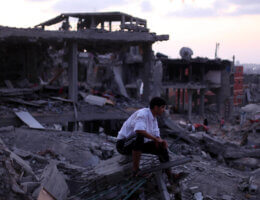
People in Gaza love to tell our stories. As Mondoweiss’s Gaza correspondent, I find that every door is open for my questions, and it is a true honor to try to faithfully and clearly explain what life is like in Gaza to the rest of the world. Please help Mondoweiss continue to tell Palestinians’ stories with a year-end gift today.
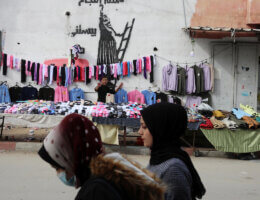
Global consumer inflation has caused food prices in Gaza to hike, making staple products in grocery stores unaffordable and worrying shop owners about the cost of restocking.
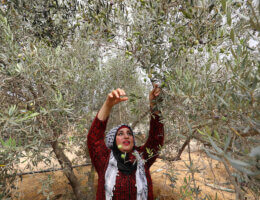
The olive harvest in Gaza was down by 65% this year, leaving many farmers without enough crop to sell. Experts say this dip was due to rising temperatures from climate change.
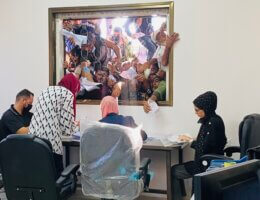
After Gaza’s Chamber of Commerce announced it would begin accepting applicants for work permits to Israel, tens of thousands rushed to apply. One photo of the scene tells the story of the devastation the Palestinian economy is currently facing.