Most Palestinians in Gaza say they don’t feel the relief they expected after the ceasefire. Israel keeps blocking aid into the strip, delaying reconstruction efforts, and leaving hospitals short on supplies, while people go hungry every day.


Most Palestinians in Gaza say they don’t feel the relief they expected after the ceasefire. Israel keeps blocking aid into the strip, delaying reconstruction efforts, and leaving hospitals short on supplies, while people go hungry every day.
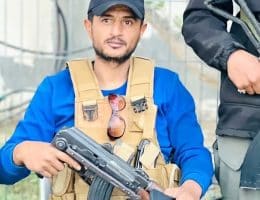
Yasser Abu Shabab had become an infamous figure in Gaza over the past two years for his role in collaborating with the Israeli army, looting aid convoys destined for starving Palestinians, and sowing social strife amid the genocide.

Palestinian journalists in Gaza aren’t reporting on something neutral. They’re reporting on their own reality.
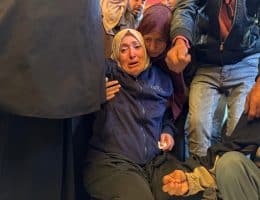
On Wednesday, Israel killed 33 Palestinians, including 12 children, in its latest violations of the Gaza ceasefire. Those killed include Palestinian families trying to return home and others caught in Israeli attempts to assassinate Hamas leaders.
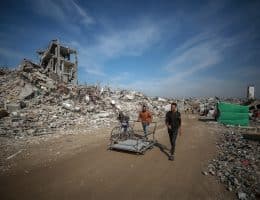
On Monday, the UN Security Council voted to endorse the Trump administration’s “International Stabilization Force” in Gaza. Palestinians in Gaza say it is just a new face of the same Israeli occupation.
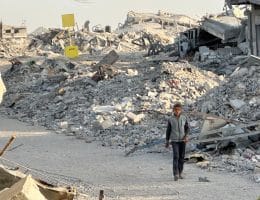
As part of the ceasefire, Gaza has been split in half by the so-called ‘yellow line,’ where Israel’s military controls just over 50% of the Strip. Palestinians are being killed for trying to cross or even get close to the line.

Here’s Israel’s strategy to continue the war on Gaza: find a pretext, no matter how baseless, use it to kill dozens of civilians and fighters, stop fire and claim you’re honoring the ceasefire. Then do it again.
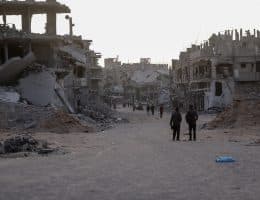
As Palestinians in Gaza return to the ruins of what life used to be, the rubble becomes a promise of what could one day be rebuilt. Until then, it’s still home, even if it’s a tent.
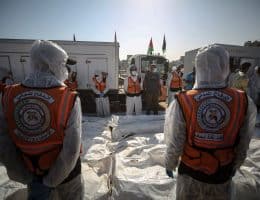
The Gaza Ministry of Health published photos of the mutilated bodies of Palestinian prisoners. Most of them showed clear signs of torture — hands and feet bound, blindfolded, bodies showing marks of tank tracks, burns, fractures, and deep wounds.
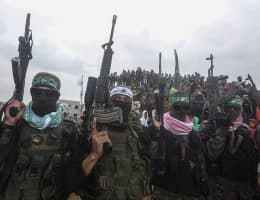
Hamas plans to expand its ongoing crackdown on gangs backed and funded by the Israeli army. The renewed effort “will be on multiple fronts” where these groups operate, a security source from the movement tells Mondoweiss.