Raoul Peck’s “Exterminate All the Brutes” is an awe-inspiring cultural, literary, historical, political and geographic smorgasbord. But to what end?


Raoul Peck’s “Exterminate All the Brutes” is an awe-inspiring cultural, literary, historical, political and geographic smorgasbord. But to what end?

Joe Biden helped Bush and Cheney build the case for the Iraq war by allowing the Senate Foreign Relations Committee to be a doormat. Scott Horton’s book “Enough Already” reminds us that lies and conspiracy theories by Israel supporters fed the runup to the Iraq war. That record is required reading now that our supposed client state is escalating its attacks on Iran just as the U.S. is trying to reenter the Iran deal.
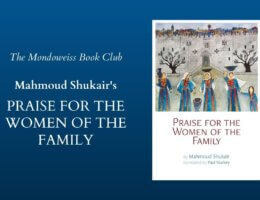
This month we’re excited to share Mahmoud Shukair’s “Praise for the Women of the Family,” a delightful novel set in the tumultuous time after the Nakba (the Palestinian exodus from what is now Israel), portraying the rapid advance of modernity and the growing conflict in 1950s Palestine.
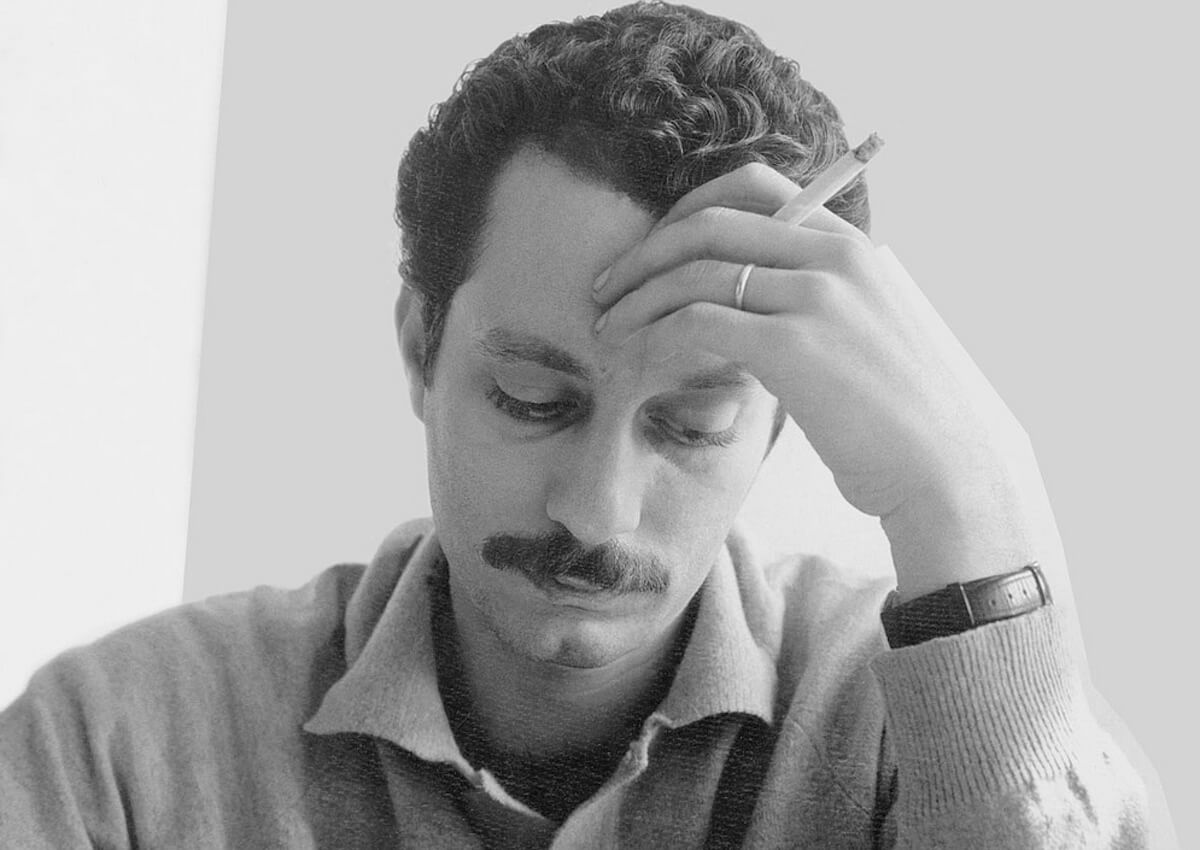
Studying literature expands our understanding of the possible. Studying (post)colonial literature shows how Palestinian state building has failed to achieve the liberatory promises of contemporary Palestinian nationalism.
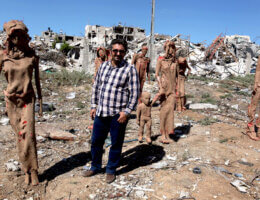
Palestinian artist Iyad Sabbah on his art, exile and why Gaza will always be in his heart: “War and displacement are perennial themes of Palestinian life.”

Palestinian Loay Elbasyouni, who was raised in Gaza, was part of the team that helped NASA’s Ingenuity Mars Helicopter complete its historic first flight today.
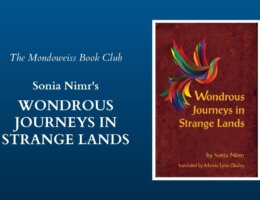
In Sonia Nimr’s imagined historical fable set in Palestine hundreds of years ago, Qamr and her family embark on daring adventures across empires in a quest to remove a curse that hangs over their village, running into pirates, kings and kidnappers.

Egyptian novelist, physician, sociologist and global activist Nawal El Saadawi died on 21 March 2021 at the age of 89.

The ADL called Iran’s ‘Palestine Is Not Alone’ poster contest “dehumanizing propaganda”, but Dan Walsh of the Palestine Poster Project Archives says it actually serves as an opportunity to engage the public in a teachable moment on the Zionist-Palestinian conflict.
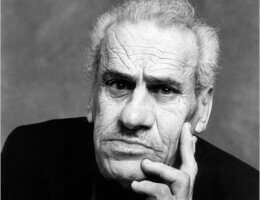
Taha Muhammad Ali, a beloved poet from Nazareth who died in 2011, was a master of the ‘Palestinian Absurd’ and is remembered for his searing poems that mused on happiness and its limitations.