The Mondoweiss holiday gift guide is here! From our favorite books, to dresses with hand-stitched embroidery, ethically produced Hanukkah candles, hand-crafted olive wood nativity sets, and of course Mondoweiss swag we’ve pulled together some of our favorites for your end of the year gift giving.
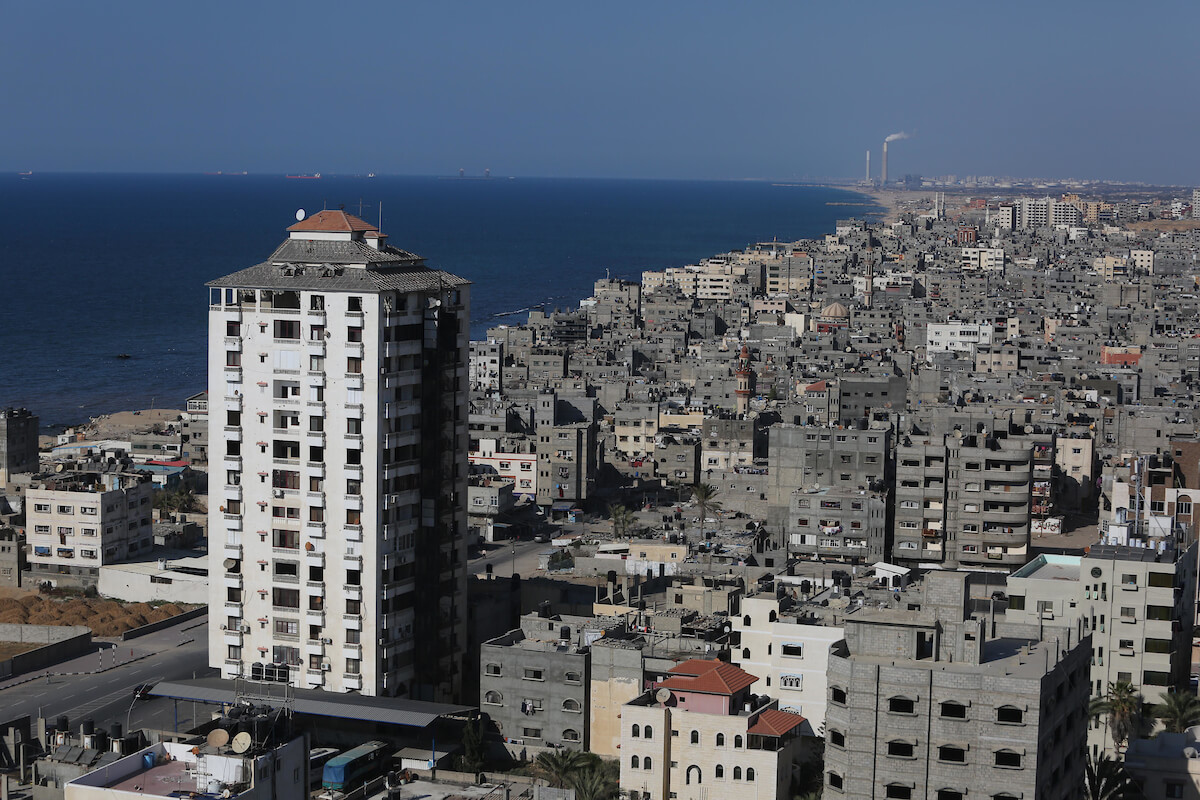
Opportunities to visit Gaza come rarely. Harry Gunkel writes, “A place so inaccessible and so compelling deserves our full attention and our best intentions, but as we learned in our recent visit, getting lost in the tedium of the permit process and then the rush to pack the time with meetings and briefings could have caused us to miss the glory that is Gaza.”
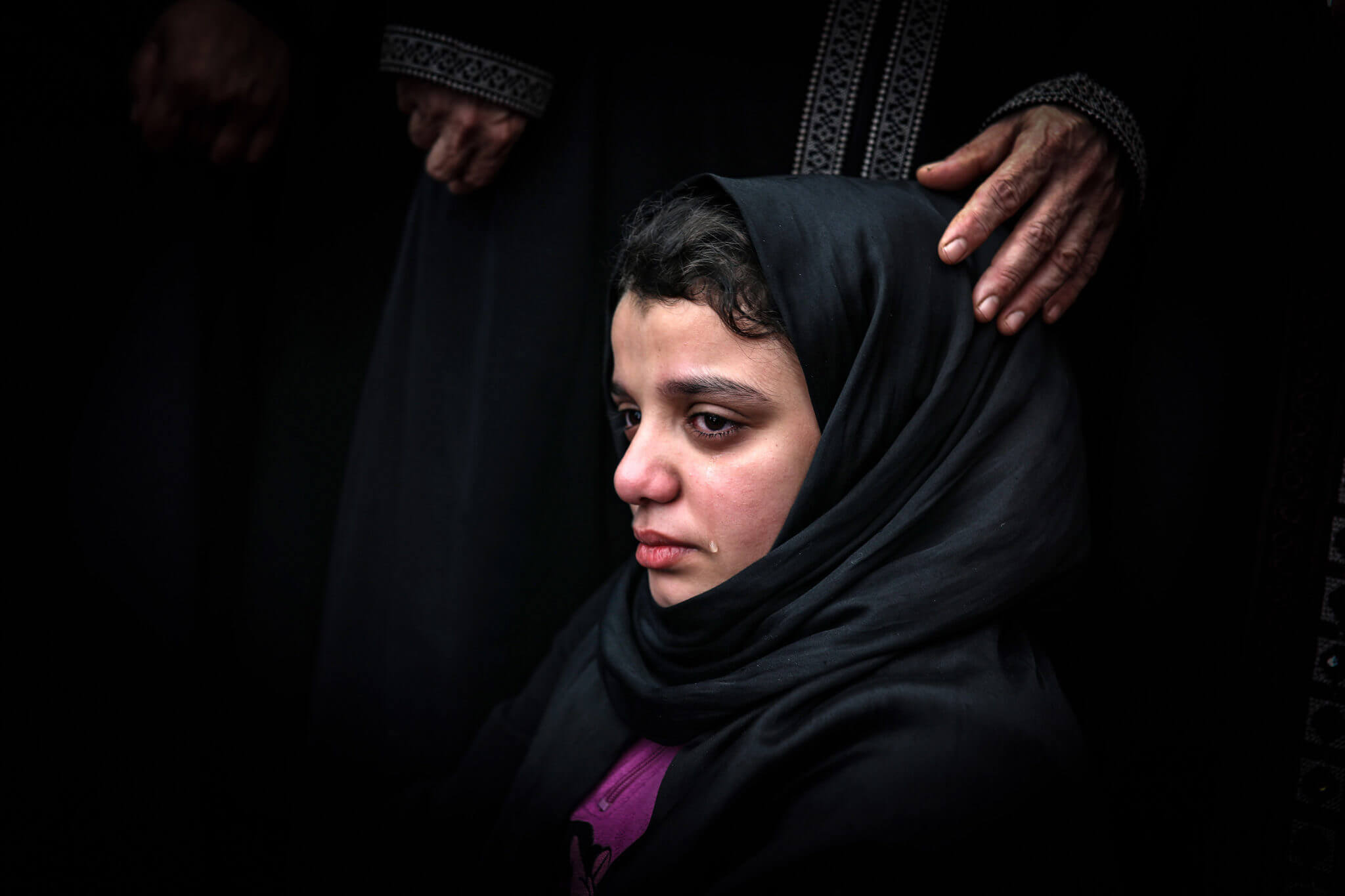
Mohammed Zaanoun shares the trauma of being a photojournalist in Gaza, as his work inspires artists around the world by humanizing the Palestinian struggle.
Two years ago, there would have been no problems whatsoever in Rabbi Elimelech Firer’s medical benefit at the Bronfman Center, the Palace of Culture in Tel Aviv. But this time, it was hard to notice there were no female singers, who apparently represent a danger to orthodox men. The gala has been called off after unprecedented protest.
In order to play authentic religious music commemorating Bethlehem’s native son, the Amwaj Choir and Palestine Philharmonie needed a harpsichord. That search began a few years ago in Europe and culminated in Bethlehem in late October with the unveiling of a beautiful instrument.
Hannah Gurman reviews Bari Weiss’s How to Fight Anti-Semitism: “Ultimately, Weiss and other neoconservative analysts of contemporary anti-semitism force Jews into a cynical politics that pits Jewish survival against other movements for social justice. Progressives have a more compelling vision to offer in which a politics of solidarity addresses threats against Jewish communities not at the expense of other “others,” but alongside them.”
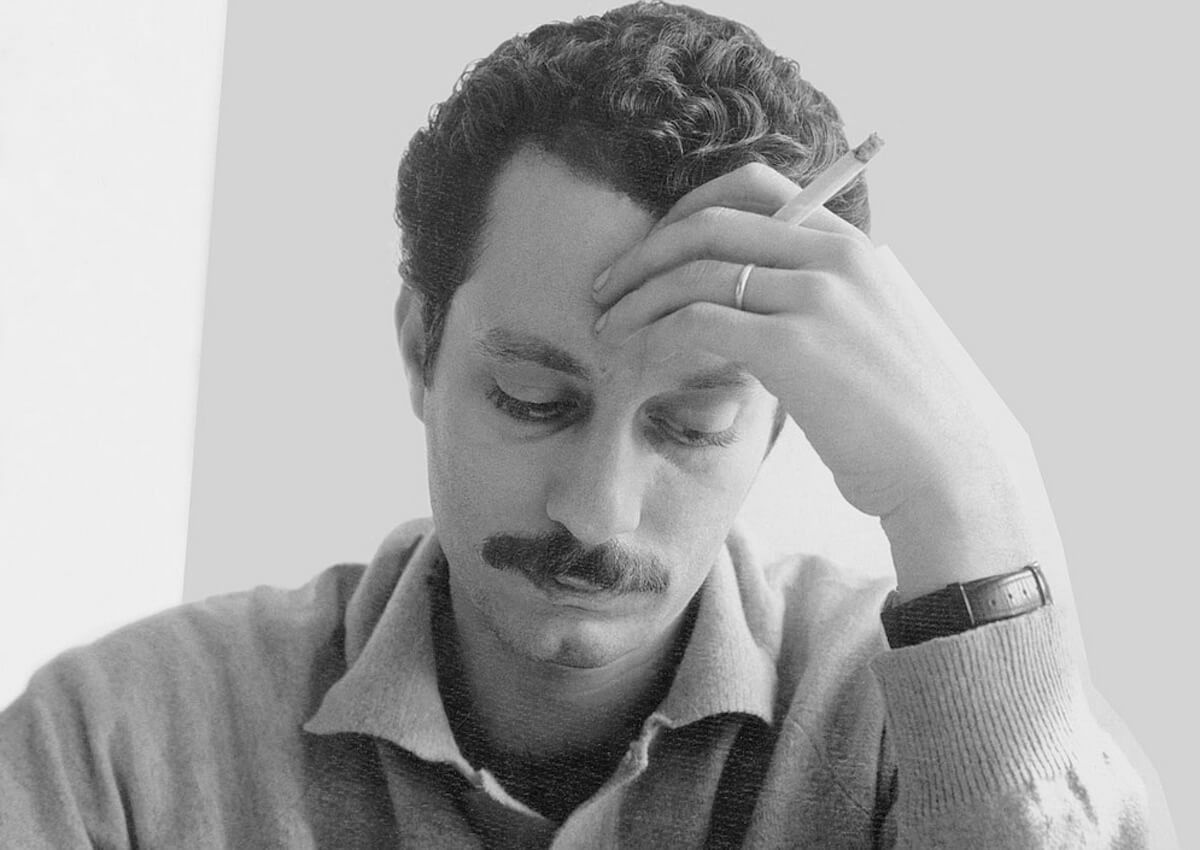
Haidar Eid discusses teaching Ghassan Kanafani’s The Land of Sad Oranges to students in Gaza. He says it not only provides insights into the tragic loss of the Nakba, but raises questions of what justice means today.
It Must Be Heaven embodies the seeking energy that its title suggests. Elia Suleiman and the viewer are not quite in paradise, as the small but frequent indignities pile up behind Suleiman on his travels throughout the film, but peaceful olive groves and the simple satisfaction of a glass of wine and a cigarette show that he is not in hell, either.
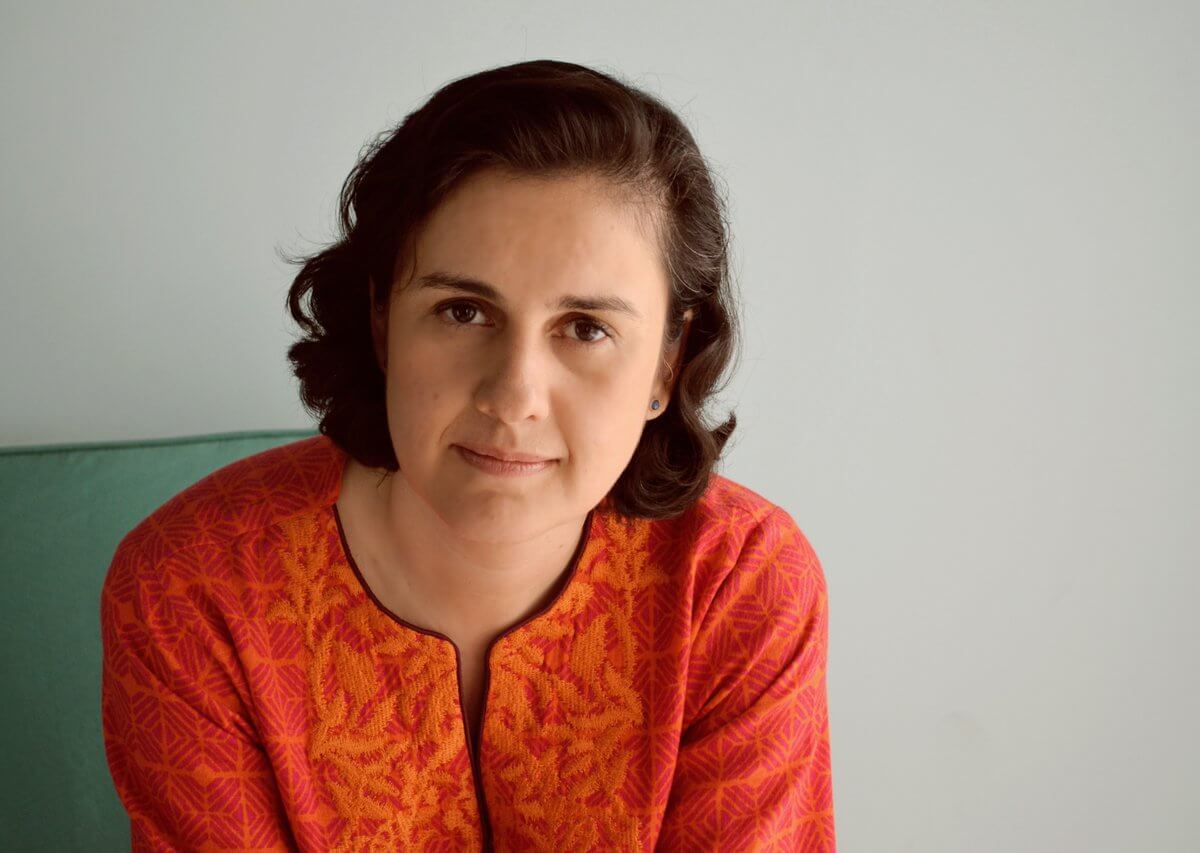
The Dortmund City Council was set to award the novelist Kamila Shamsie its Nelly Sachs Prize until it learned she supports BDS. The council rescinded the honor which brought the author to Richard Falk’s attention, and he is thankful it did. “Selfishly, I cannot thank the Dortmund City Council enough for its outrageous behavior,” Falk writes, “In her novels, she has manifested an uncannny awareness, more so than any writer I have encountered, of the precarious existence of ethnic, gender, and civilizational outsiders, especially Muslims, if they happen to reside in the supposedly once more tolerant West.”