Abdelfattah Abusrour shares two poems from Aida refugee camp in Bethlehem inspired by hosting Palestinian workers from Gaza stuck in the West Bank during Israel’s latest onslaught.
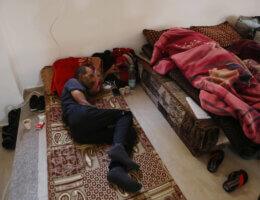

Abdelfattah Abusrour shares two poems from Aida refugee camp in Bethlehem inspired by hosting Palestinian workers from Gaza stuck in the West Bank during Israel’s latest onslaught.

Doaa Alremeili is constantly searching for any news she can of her family in Gaza. Any relief she finds regarding their safety is fleeting.
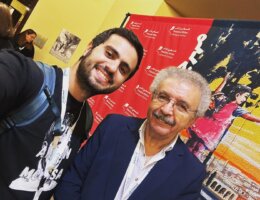
As a former political prisoner in Egypt, and dissident writer in exile, Palestinian culture and literature have inspired and shaped my work. When I attended the Palestine Writes Literature Festival, my heart came full circle.

The Palestine Writes Literature Festival was a liberated space for Palestinians to speak and dream freely. It was an unequivocal display of love for a land and her people, their history and their future.

ADL, you do not speak for “The Jewish People”. Organizations that deem Palestinians as inherently threatening to Jews, solely because of who they are as human beings, do not represent a growing number of Jews who cannot tolerate the disinformation surrounding the mythology of the State of Israel.
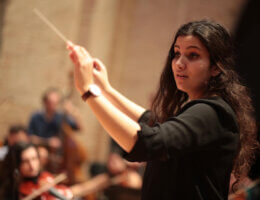
Tom Suarez interviews Lamar Elias, who was recently named Artistic Director of l’Orchestre Symphonique Étudiant de Toulouse. “My hope is that music, and especially classical music, can be a voice of liberty for the Palestinian youth.”
Palestine Writes responds to racist attacks on the literature festival: “Palestine Writes is a small moment for us to exist with agency in the fullness of our brilliance, ancient heritage, stories, music, dance, and other art forms. This also includes our defiance against our colonizers.”
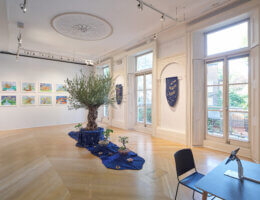
A deeply thought-provoking exhibition, “In the Shade of the Sun” invites audiences to imagine the absurdity of the experience of being young, bright, and Palestinian, yet subject to hostile censorship at home and abroad.
Louis Allday’s introduction to the newly reissued biography of Ghassan Kanafani outlines the choice Kanafani made between being an organic participant in the resistance and his life as a writer. Kanafani chose, and in doing so, chose his fate.
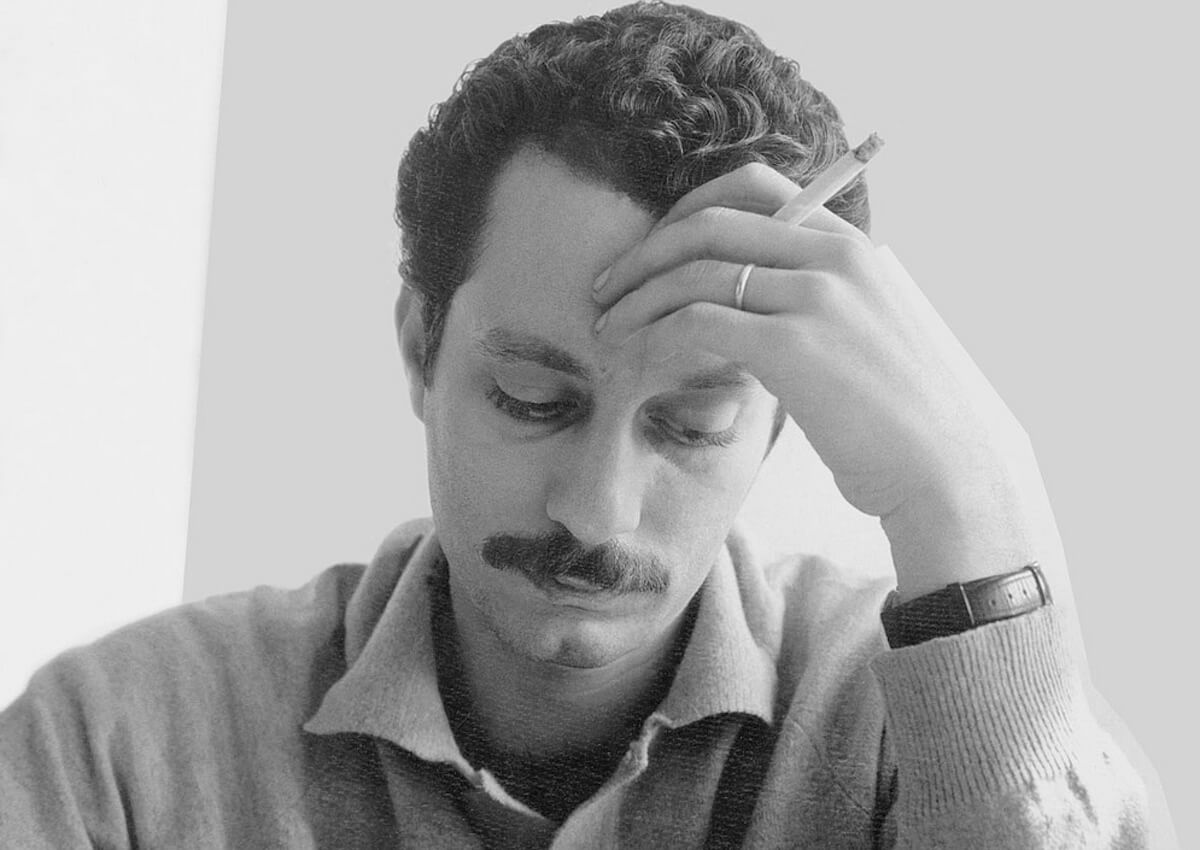
What role does literature play in the Palestinian liberation movement? Though the question itself isn’t subversive, it feels that way. There are many considerations, but it’s hard to imagine what a poem can do in the barrel of a gun.