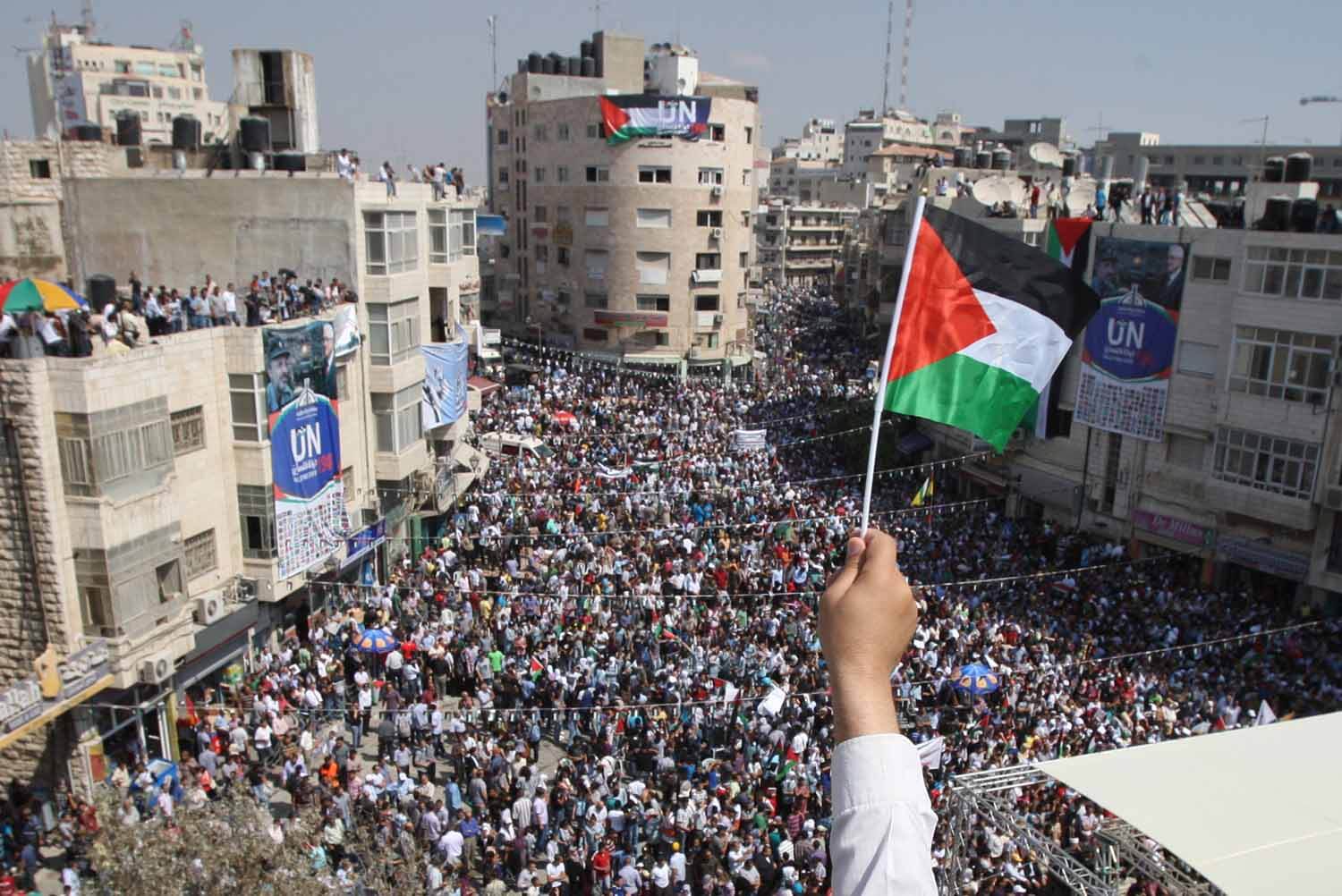
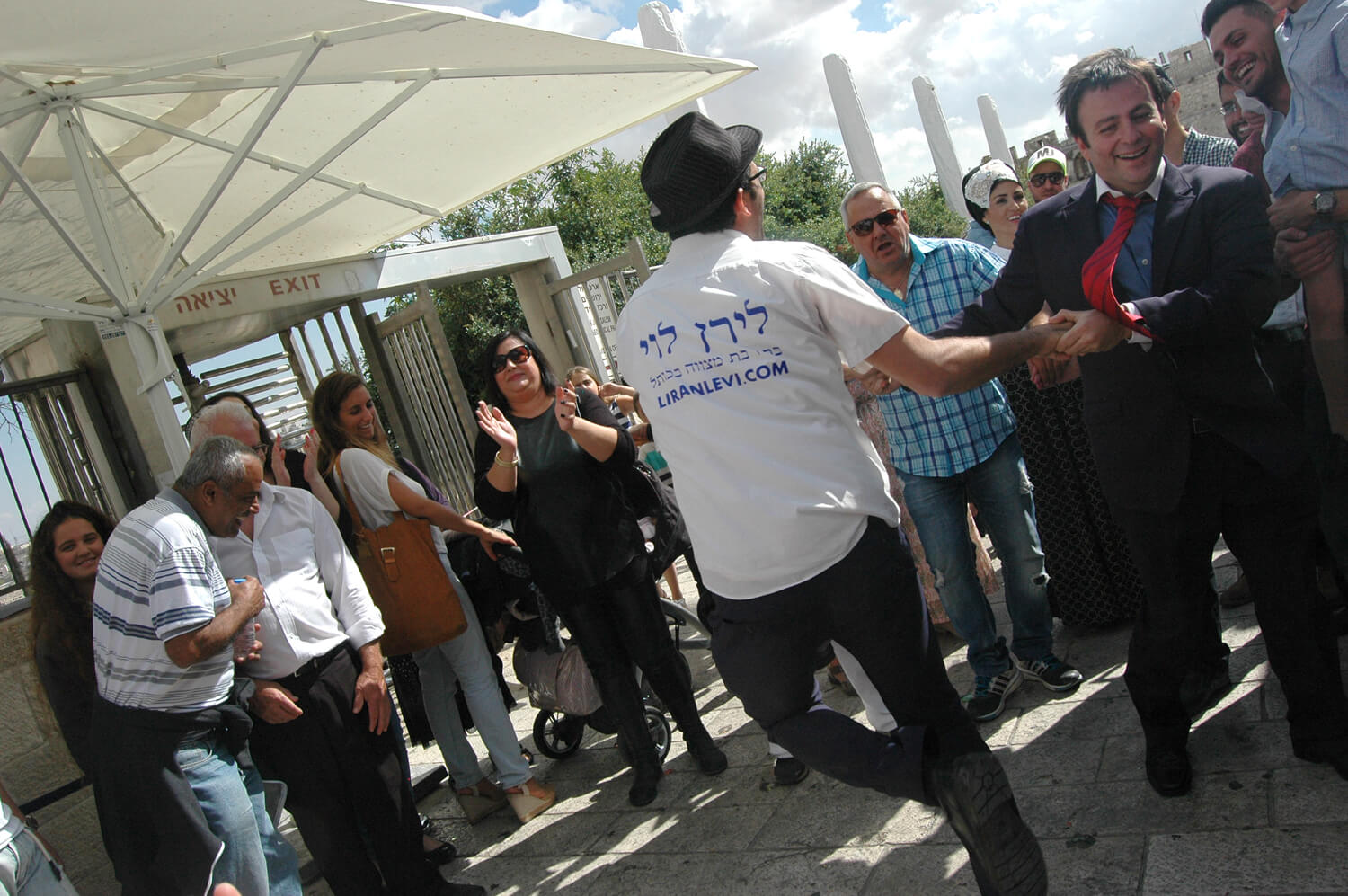
Dan Freeman-Maloy writes, “The worsening crisis in Palestine reflects more than a local record of colonial crimes, severe as these have been. Responsibility for it is global. Arundhati Roy was right to describe the Palestine tragedy as one of “imperial Britain’s festering, blood-drenched gifts to the modern world.” It is also a product of a history of racism and empire that extended across most of the West. On this centennial of the Balfour Declaration, reflection on this shared culpability should serve as a reminder of the responsibility for the political action that comes with it.”
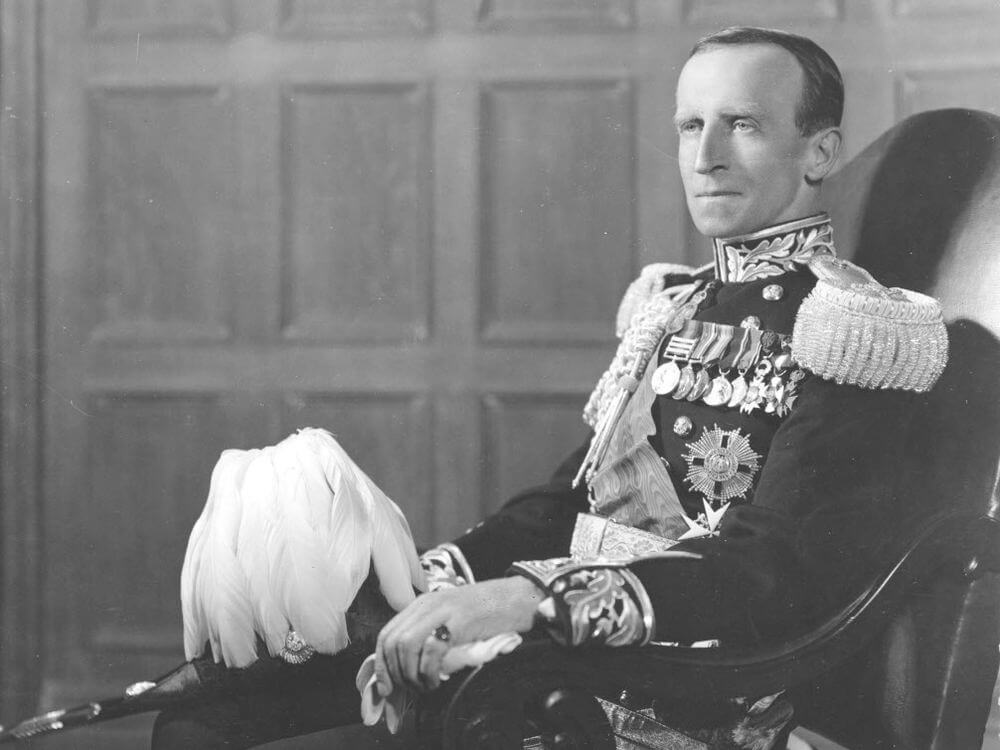
The American Jewish Historical Society in New York was set to host a discussion later this month of the Balfour Declaration by civil rights lawyer Robert Herbst, a member of Jewish Voice for Peace, and Palestinian lawyer Jonathan Kuttab. Then the event came under attack from far-right pro-Israel supporters and the history organization folded, canceling the discussion as well as a play reading on the US relationship to Israel.
The 100th anniversary of the Balfour Declaration is nearly upon us and its 67 words of apparent British imperial generosity towards the Jewish people are already taking on sacred status. Robert Cohen writes, “For the sake of future Jewish generations, not to mention historians of the 20th century, it would be a good idea to put a stop to this manufacturing of holiness, this muddling of religion and nationalism. It’s only adding to the mountain of historical and political deceit that blocks the road to a place of justice and peace.”
At NYU, Rashid Khalidi says four Arab countries have been destroyed and ISIS would cut the throats of a quarter of the Syrian population, so he can’t blame Arabs for worrying about other issues more than Palestine. The historian also says that Palestinians faced a unique colonial problem because Zionism had 3 sources of support, international legitimacy at a time of decolonization, British backing, and a “river” of money from international Zionist movement.
Once again, the Board of Deputies of British Jews has shown itself to be a bully when it comes to interfaith dialogue on Israel/Palestine. This time its victim is the Church of Scotland. It’s all depressingly predictable and immensely tiresome for anyone who cares about justice in the Holy Land and indeed the future of Jewish-Christian relations in the U.K. Later this month (20-26 May) the Church of Scotland’s General Assembly will consider a new report advising the Church on how to mark this year’s Balfour Declaration centenary. Balfour was a member of the Church of Scotland and the Church has a long association with the Holy Land through schools, projects supporting Christian Palestinians and partnerships with organizations promoting justice and reconciliation.
Rev. Alex Awad, who served as Dean of Students at Bethlehem Bible College, writes British Prime Minister Theresa May: “Britain was among the first in creating this tragic conflict but shouldn’t be the last in taking positive steps to resolve it. Let 2017 be the year that Britain conducts its policy for Israel and Palestine independently of the influence and dictates of the United States. A first step would be for Britain to recognize an independent Palestinian State in the West Bank and in the Gaza Strip.”
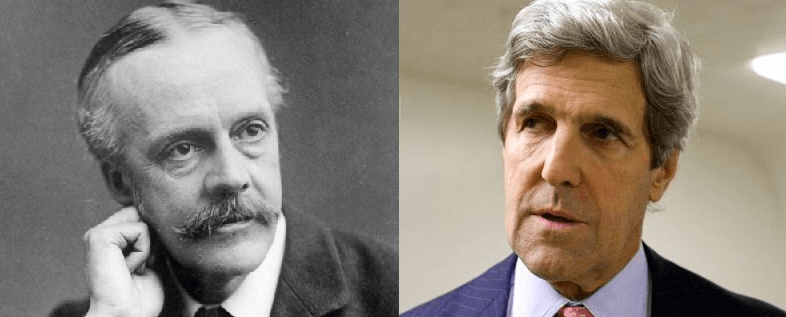
After 100 years, the Jewish State has come full circle to comprise all of historical Palestine. As John Kerry notes, the choice in such a case is only between Apartheid or democracy, but he thinks there is a tomorrow. His timeline is wrong.
Jerusalem at a boiling point: The “Zionist endeavor” is “the strengthening of the Jewish presence.” And clashes with Palestinian demonstrators have injured 28 over the weekend