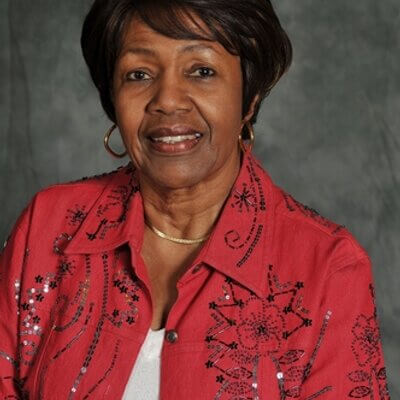
Westchester County legislative committee passes a resolution describing BDS as a campaign to “malign the Jewish people,” by a 12-1 vote despite efforts of human rights activists. Sole holdout is Alfreda Williams. “It’s a lost cause, perhaps, but in my experience, most good causes begin as lost,” writes Priscilla Read.
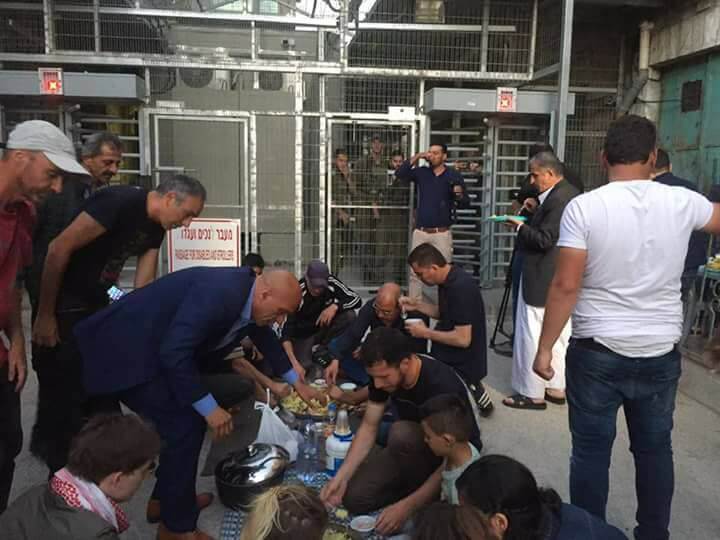
Badia Dwaik, the Palestinian coordinator of Human Rights Defenders Group along with several others from the Hebron-based Palestinian organization Dismantle the Ghetto, were invited to the home of Mufeed Sharabati for the first meal after sundown during the Ramadan month. In typical iftar fashion, a full spread was packed up by Dwaik and company including a large maqloube, a Palestinian meal of rice, vegetables, and chicken that is flipped upside down from a cooking pot when it’s ready to serve—maqloube literally means “upside down” in Arabic.
Yet the iftar dinner among friends grew complicated when Dwaik and the others were denied entry through the Hebron checkpoint that divides the city in two—the maqloube was also not allowed through the checkpoint.

Israel’s policy of ‘economic warfare’ against Gaza makes BDS pale in comparison. But Israel would have us think BDS is extreme, and that Israeli policy is moderate.
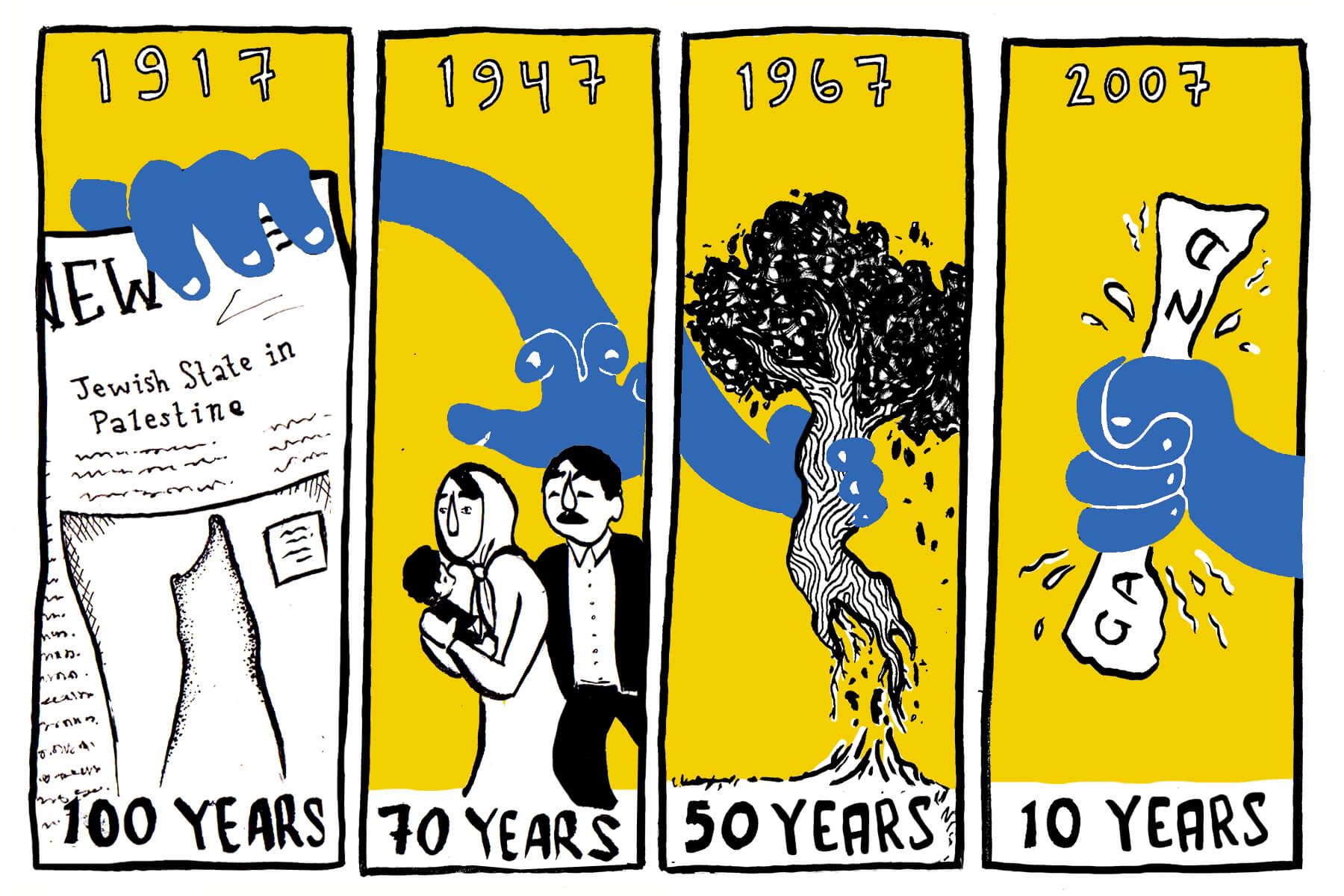
There has been much talk about 2017 as the 50th anniversary since Israel occupied the Palestinian Gaza Strip and West Bank, including East Jerusalem. But the 50th anniversary can only be understood within a broader context of other key anniversaries this year. 2017 marks: 100 years since the Nov. 2, 1917 Balfour Declaration; 70 years since the UN’s Nov. 29, 1947 partition allotting 54% of historic Palestine for a Jewish state; 50 years since Israel occupied all remaining Palestinian lands June 5-10, 1967; and 10 years since Israel made permanent a crippling blockade of the Gaza Strip on June 15, 2007, creating an open-air prison subject to monstrous bombing to further Israel’s containment and ethnic cleansing of the Palestinian people.
“The solidarity between Black and Palestinian people internationally is rooted in a profound historical framework, one of shared struggles and collective identities that push us to challenge notions of international solidarity,” writes activist and writer Devyn Springer.
Shimrit Baer writes that Zionism should be resisted by non-Zionists: “The non-Zionist class/caste can and should be an agent for change. In this the non-Zionist class/caste must draw lessons from discourses elsewhere, for example from pan-African movements in South Africa and elsewhere, where spatial reform is seen as a prerequisite to equal rights, power, and self-determination.”
The Palestinian Boycott, Divestment and Sanctions National Committee commemorates the 69th Anniversary of the Palestinian Nakba: “No iron wall of theirs can suppress or overshadow the rising sun of our emancipation.”
Today, the Norwegian Confederation of Trade Unions, representing close to one million workers, endorsed a full boycott of Israel to achieve Palestinian rights under international law. The federation is the largest and most influential umbrella organization of labor unions in Norway.
Is it really ‘even-handedness’ that the 100 Senators are seeking, or merely a shielding of Israel from critique? Under the guise of supposed insidious bias against Israel, those who are biased for Israel are running a campaign to tarnish the UN for supposedly promoting BDS and the “destruction of Israel”.
Throughout the month of May, members of the Modern Language Association will be voting on a resolution which seeks to ban the association from endorsing of the Palestinian call for a boycott of Israeli academic institutions. During the 1980s, to its undying disgrace, the MLA rejected a resolution that would have supported the divestment and boycott movement against South African apartheid. In this essay, formerly South African scholar and MLA member Derek Attridge affirms the value of academic boycott in that struggle and points to the connections between the South African divestment campaign and the current BDS campaign.