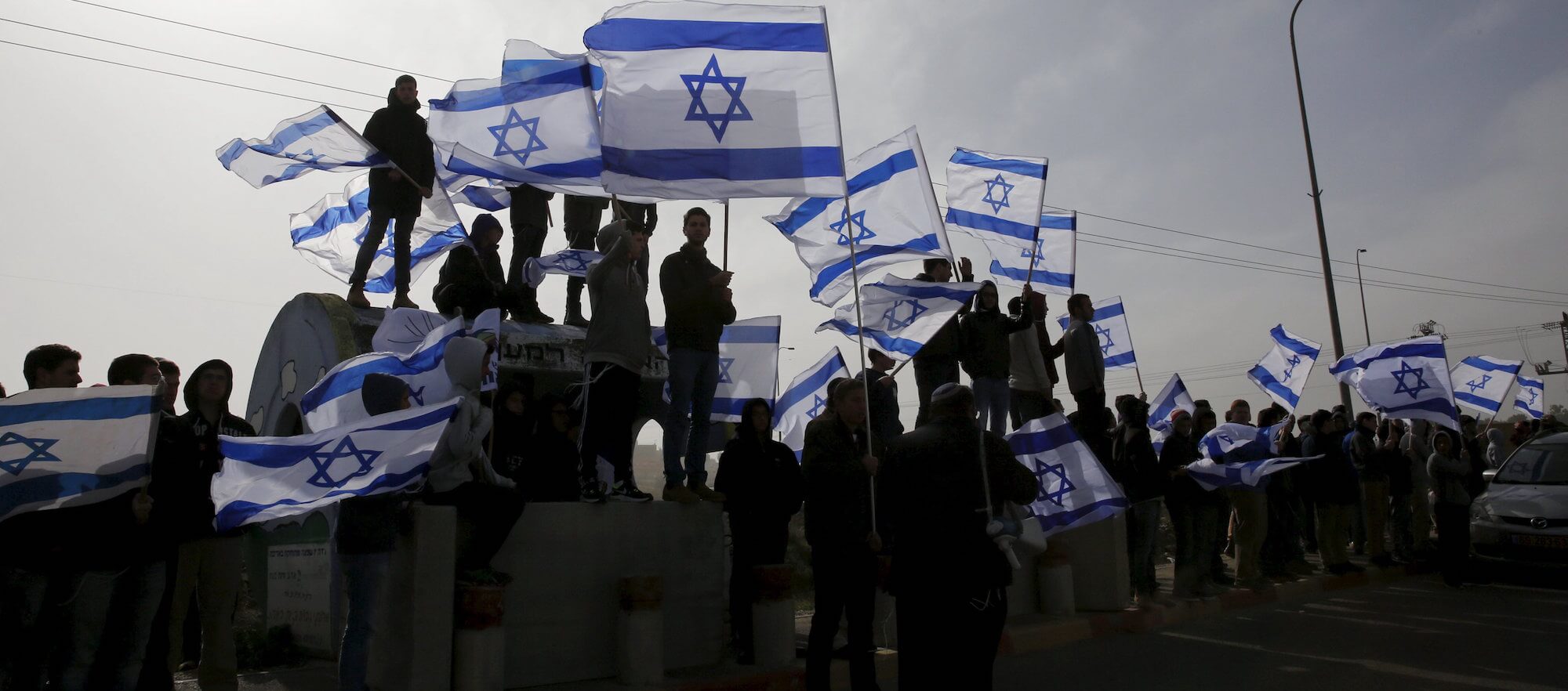
Shimrit Baer writes, “The territories occupied in 1967 have become the focus of international activism because every aspect of life is controlled by the occupier, there are walls and checkpoints, shootings and tear gassing of civilians, detentions without charge, child arrests, bulldozed houses and fields, military raids, unfit drinking water, humanitarian crises–“etc.” The strategic focus on West Bank colonial “settlements” is something that few question. Meanwhile, the placebos of power within the state are serving to inhibit significant internal/external pressures for historical redress. In the scheme of things, importance has to go to Zionist Space as an arena of change. Any civil rights activism without the conscious disruption of Zionist Space is only make-belief.”
Shimrit Baer writes that Zionism should be resisted by non-Zionists: “The non-Zionist class/caste can and should be an agent for change. In this the non-Zionist class/caste must draw lessons from discourses elsewhere, for example from pan-African movements in South Africa and elsewhere, where spatial reform is seen as a prerequisite to equal rights, power, and self-determination.”
Segregation is a state whereby people are separated and isolated by race or ethnicity. When separation is the outcome of decades of systematic policies and practices, segregation can surely be considered involuntary. In Israel, segregation determines the Zionist class system and goes largely unquestioned. The challenge at the forefront of civil rights is how to rewrite Israel’s racial space divisions as something other than a foregone conclusion.