Israel is waging a campaign of psychological warfare in Beirut by projecting godlike power from the skies, raining down bombs that mete out death and dropping leaflets vowing that Beirut and Gaza will share in the same fate.
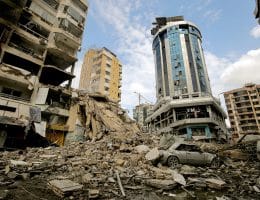

Israel is waging a campaign of psychological warfare in Beirut by projecting godlike power from the skies, raining down bombs that mete out death and dropping leaflets vowing that Beirut and Gaza will share in the same fate.
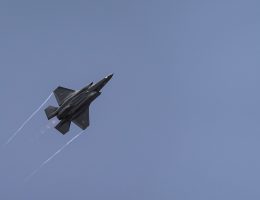
Israel’s use of 80 bunker-buster bombs to assassinate Hasan Nasrallah has raised concerns that it is using depleted uranium in its bombardment of Lebanon. We need an impartial investigation given Israel’s track record of using prohibited weapons.

Israel is deepening Lebanese social rifts by bombing areas that have been considered historically “safe” from Israeli attacks, dissuading the residents of those areas from sheltering displaced people from the south.
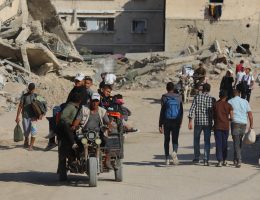
The Israeli ground invasion of southern Lebanon continues to face stiff resistance along the border one week on, while the Israeli army has renewed its assault on northern Gaza, laying siege to Jabalia refugee camp for the sixth time since October 7.

In Gaza and Lebanon, Israel is projecting its force while burrowing itself deeper into a quagmire. While it may achieve brief operational successes, it fails to extinguish the spirit of the resistance or coerce it into submission.

Considered an icon of resistance against Israel and one of the most influential political figures in the Arab world, Hasan Nasrallah was killed by a massive Israeli airstrike that leveled an entire residential block in Beirut’s Dahiya district.

Israel’s latest attack on Lebanon represents an expansion of its Dahiya doctrine which intentionally targets civilians to send a political message.

The widespread Israeli attack that led to the detonation of thousands of pagers across Lebanon came after rumors that Netanyahu seeks to replace his defense minister due to his opposition to war with Hezbollah.

Hezbollah launched its retaliatory attacks against Israel for the assassination of its senior commander, Fouad Shukr, targeting several military bases and Israel’s cyber warfare Unit 8200. Here’s what you need to know.

During the past week, Israeli jets have been flying very low over Lebanon, a constant reminder of the looming threat of war. “If they want to wage war on us, so be it. Perhaps it could lessen the pressure on Gaza,” my mother says.