A liberal Zionist group promotes the view of Israeli professor Jonathan Rynhold that progressive Democrats will support Israel once Netanyahu is gone. His argument would be more persuasive if he even mentioned the human rights violations and Gaza massacres that are at the heart of progressive disaffection with Israel.
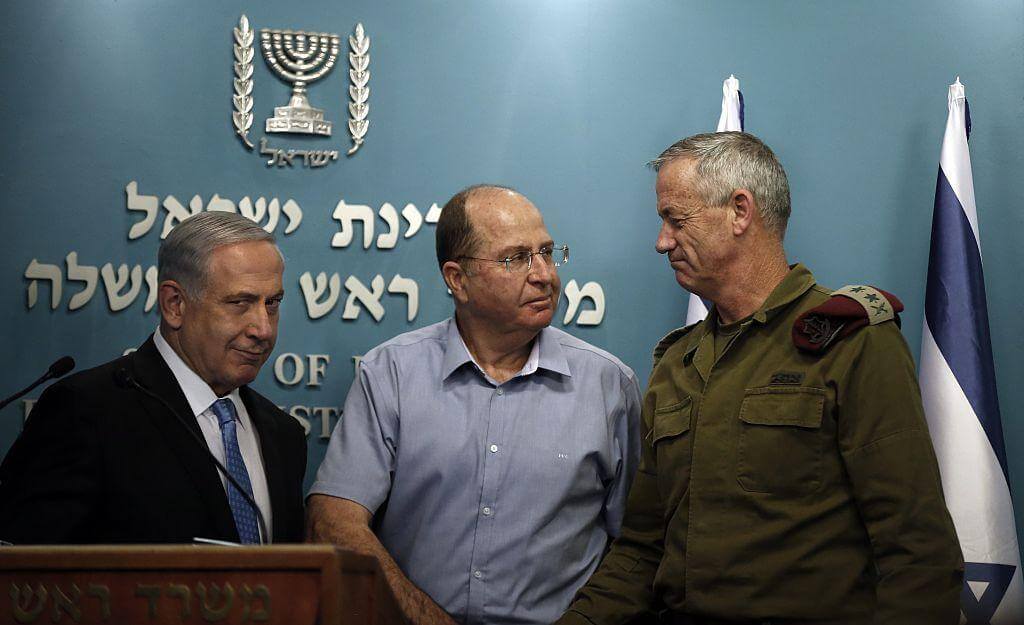
Benjamin Netanyahu called off his idea for a snap Likud Party primary after Gideon Sa’ar, a rival, tweeted two words: “I’m ready.” That moment reveals Netanyahu’s essential political character: he operates out of fear and paranoia.
It would be a mistake to assume the political deadlock in Israel is evidence of a ideological divide. The reality is that there is strong unity – over shared racist attitudes towards Palestinians.
Asaf Calderon writes, “Netanyahu’s carefully cultivated stagnation can only be disrupted by his removal. The change will not come from a Gantz administration, but by the end of the Netanyahu administration.”
Benny Gantz is “bad,” but Netanyahu is “the worst,” says Ayman Odeh of the Palestinian Joint List in Israel. But Odeh told Time magazine that 10 Palestinian legislators endorsed Gantz because they want to stop Trump’s deal of the century and the annexation by Israel of West Bank lands.
Naim Mousa writes, “There are two candidates for prime minister, one incites violence against Arabs and constantly carries out racist policies, and the other does the exact same but is called Gantz.” Yet Palestinian voters have shown their growing power through the Joint List’s endorsement of Gantz to lead the government.
What’s clear from Israel’s election is that the country has moved so far right, no one should expect any change in Israeli policy toward the occupation or Palestinian human rights, no matter who wins. And because Israeli policy is driving the U.S.’s deep partisan divide toward Israel, that will only deepen, James Zogby writes.
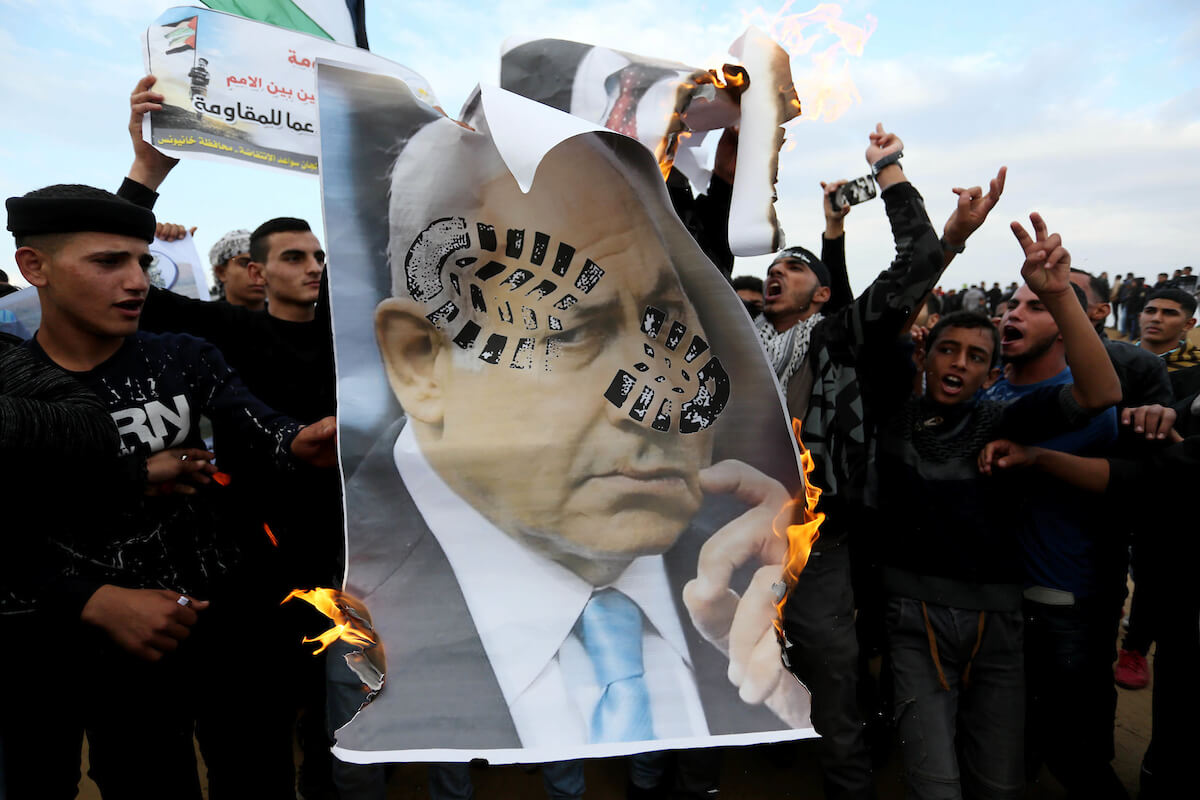
Gazans do not approve of Joint List leader Ayman Odeh’s endorsement of Benny Gantz in the Israeli election because Gantz led attacks on Gaza. No one here, says Ayman Moin, “can easily forget a beloved who has been killed, or jailed for years, nor a house demolished by the same perpetrator.”
The success of the Palestinian Joint List in the Israeli election has given hope to liberal Zionist groups for a post-Netanyahu era of non-discrimination and a better international image. Though there is little in Israeli Jewish politicians’ conduct to support the hope, Ayman Odeh of the Joint List will be speaking to J Street next month.
Palestinians in Israel are far more liberal than Jews. Nearly 90 percent say they would support a Palestinian party being part of the government, while Israeli Jews reject that idea overwhelmingly. So the one group that doesn’t buy into Zionism is the only hope to save Israel from its rightwing intolerance; and it is time that American Jews understand that reality.