Naim Mousa writes, “[Inside Arab Music’s] greatest achievement is its ability to accurately reflect Arabic culture as a whole.”
In a book dismissing the Palestinian refugee issue, Israeli authors Einat Wilf and Adi Schwartz totally absolve adherents of the Zionist ideology from any historic responsibility for planning and executing a strategy in which dispossessing Palestinians from the land was premeditated intention. The authors are hasbarists.
Helena Cobban reviews, “The Movement and the Middle East,” Michael R. Fischbach’s look at the roots of the politically progressive Palestinian-rights activism we see in today’s United States.
Bill Mullen writes, “Michael Fischbach’s Black Power and Palestine is the best book yet written on the contemporary history of Afro-Palestinian solidarity. The book is invaluable as a scholarly record of Black efforts to organize with and in support of Palestinian liberation, but also as a political argument about the centrality of Palestinian solidarity work to building internationalist, anti-imperialist solidarity in our time.”
Susan Abulhawa reviews Anita Anand’s The Patient Assassin, the dramatic true story of a little known orphan boy who spent his life plotting a revenge that would eventually rattle the British Empire to its core: “This is a book for students of history, for lovers of thriller novels, and for anyone interested in contemporary politics, social movements, liberation struggles, biographies, or just a well-told true drama.”
Richard Falk praises Noura Erakat’s new book ‘Justice for Some: Law and the Question of Palestine’: “What Erakat seeks and achieves is less about the emancipatory interpretation of legal norms and more about allowing us to grasp the manipulative nexus that underlies international legal discourse, and shapes political patterns of control and resistance.”
Josh Ruebner reviews Khaled Elgindy’s new book ‘Blind Spot: America and the Palestinians from Balfour to Trump’: “Reading Blind Spot, one is struck by the coherence of US policy toward the Palestinian people over the past century even as political realities have continued to dramatically change. Indeed, there is nothing new under the sun.”
Bruce Robbins reviews Amy Kaplan’s book Our American Israel: “Kaplan argues that Israel made it possible for Americans to believe things they wanted to believe about themselves but were afraid they couldn’t, like the righteousness of their own use of military violence.”
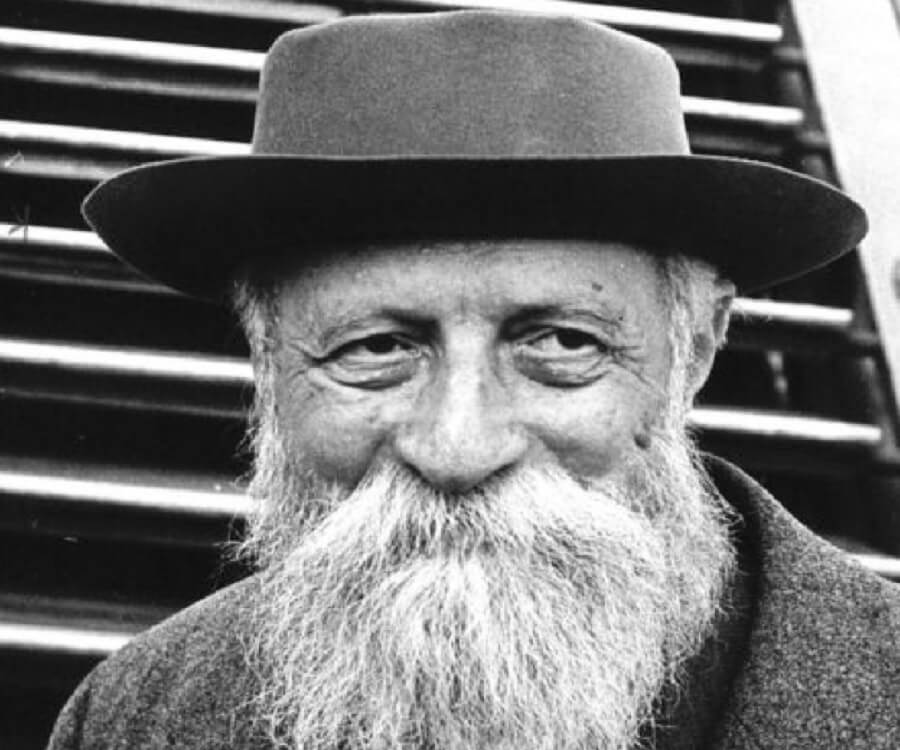
Marc Ellis reviews Paul Mendes-Flohr’s new biography, Martin Buber: A life of Faith and Dissent: “My biggest complaint, a serious one, is that Buber’s understanding of the prophetic is mentioned but is hardly given the due needed. Buber’s analysis of the prophetic and its consistent failure, exemplified in his life both in Germany, Palestine and Israel, will, in my view, be, perhaps already is, Buber’s greatest contribution to the Jewish present and future.”