In one of the worst days since the coronavirus pandemic hit Palestine back in March, the Ministry Health recorded five deaths and at least 316 new cases in the occupied West Bank on Friday, July 10th.
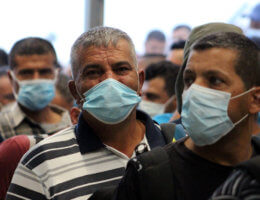

In one of the worst days since the coronavirus pandemic hit Palestine back in March, the Ministry Health recorded five deaths and at least 316 new cases in the occupied West Bank on Friday, July 10th.
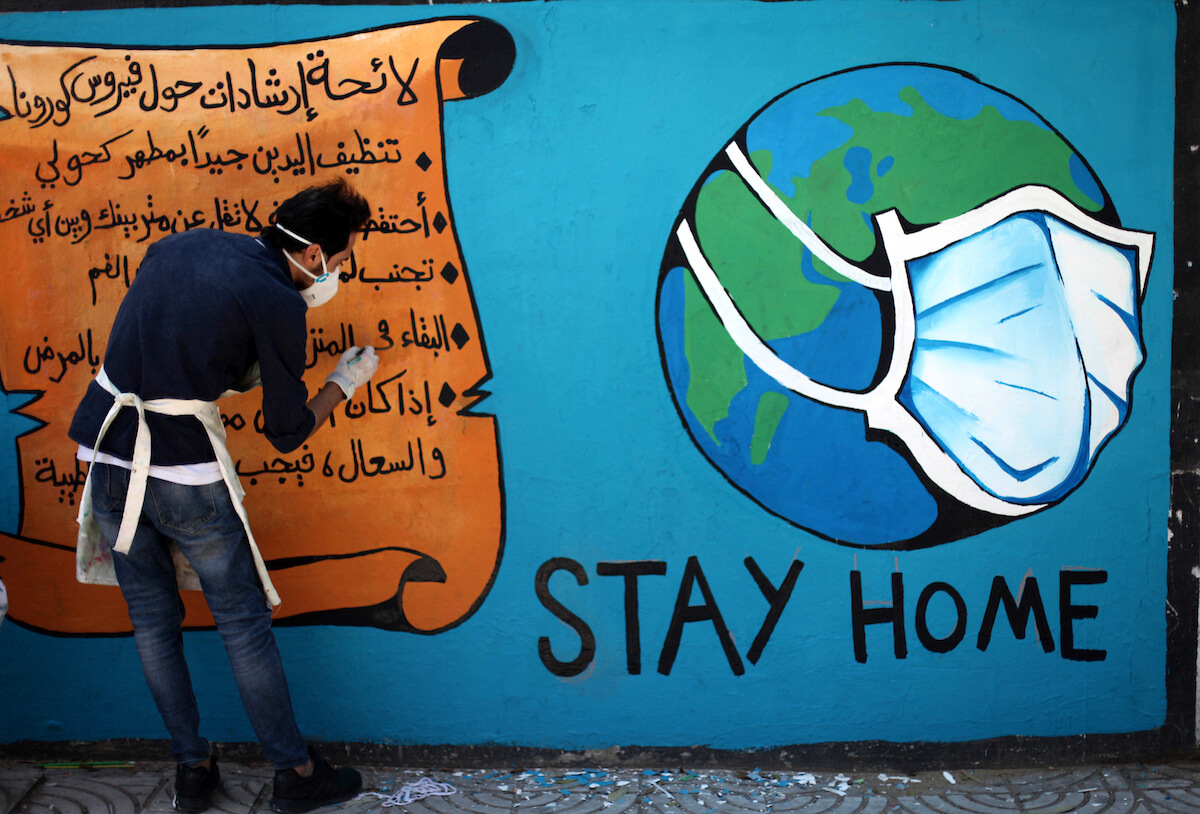
“Despite going through two wars as a doctor in 2012 and 2014, the fear of this experience was greater than what I’ve been through before, its terms are way more than I imagined.” Three Palestinians in Gaza – an engineer, a doctor, and a fashion designer – share their personal diaries about what has changed about life in Gaza during the coronavirus pandemic, and what hasn’t.
Leaders are struggling to maintain control over the virus, as the number of cases soared past 5,000 cases this week. On July 4th, the Ministry of Health said all of its ventilators were being used by both COVID-19 and chronically ill patients.
The threat of political disaster and an uncontrollable outbreak are pulling ordinary Palestinian citizens in different directions, with little guidance from the government and leaders as to what the near future might look like.

JVP’s Health Advisory Council examines the second wave of COVID-19 cases and how racism contributes to the outbreak.

The last week saw a surge in COVID-19 cases in the West Bank, predominately in the Hebron area around the West Bank largest and most populous city.

“The Palestinian struggle for freedom and justice is intertwined with global justice struggles of other oppressed communities. The COVID-19 crisis demonstrates these intersections and provides an opportunity for global mobilisation in support of racial, Indigenous, social, economic, gender and climate justice” – Apoorva PG, South Asia Coordinator for the BDS National Committee

Restaurants and cafes are still open and at full capacity, and there seems to be a common mentality that because most cases in Palestine have had mild or no symptoms, “even if I get sick, it’s not going to be that bad.”
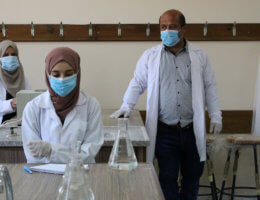
Palestinian students attend their final classes before graduation following the reopening of the Palestine Technical…
Three months after the first case of COVID-19 was discovered in the West Bank, a new wave of the virus is hitting Palestine, even stronger than the first time around.